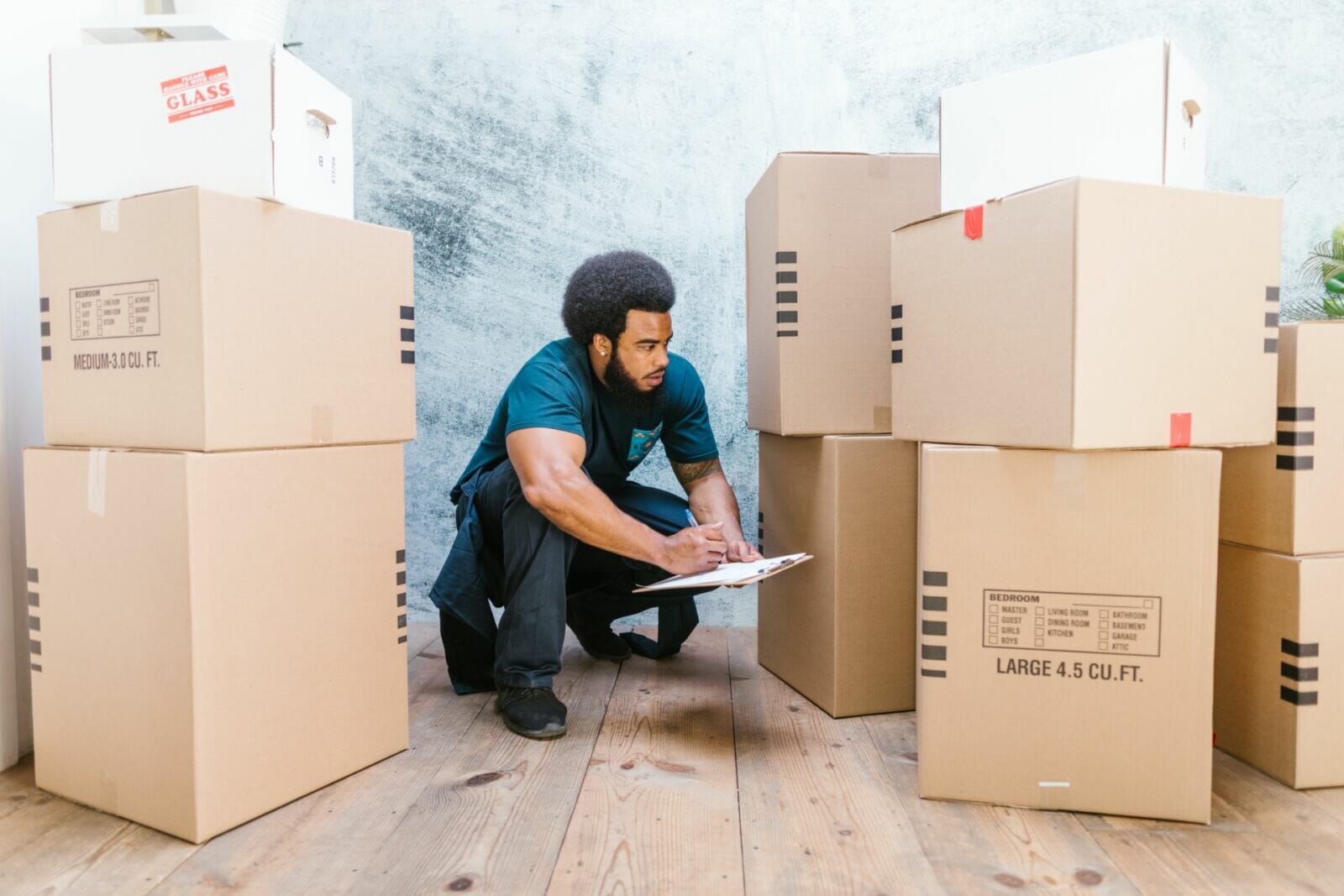
Homes tend to fill up faster than we expect. One child turns into two. A spare bedroom becomes a nursery. A dining table doubles as a homework station. Before long, closets feel tight, and the garage starts to look like a holding zone for everything that doesn’t quite fit inside.
In a place like Orlando, this happens even faster. The warm weather means patio furniture, pool supplies, bikes, and sports gear are used most of the year. Holiday decorations aren’t small, and theme park trips come with souvenirs that somehow never leave. Orlando is also one of the fastest-growing areas in Florida, so families move, combine households, and start businesses from home more often than they might have planned.
The challenge isn’t that families own too much. It’s that life changes quickly. The house that felt spacious five years ago may now feel crowded. And while remodeling or upsizing is an option, it isn’t always realistic.
That’s where smart storage comes in, not as a last resort, but as part of a plan.
When Self-storage Becomes a Practical Extension of Your Home
There comes a point when closets are organized, bins are labeled, and shelves are installed, and you still need more space. That’s often when families begin looking at storage beyond the walls of their home.
For many households, off-site storage works like an extension of the garage or attic. Instead of stacking boxes in a spare bedroom or lining the hallway with plastic tubs, items can be stored in a secure facility designed for overflow. In Orlando, that can be especially helpful during renovations, moves, or seasonal transitions. So, look up Orlando Florida self storage to find options that work best for your family.
For example, patio sets, holiday décor, extra furniture, and business inventory don’t need to take up daily living space. A well-maintained facility with gated access, surveillance features, and flexible unit sizes makes it easier to protect those belongings without sacrificing comfort at home.
Climate matters in Florida, too. Heat and humidity can affect certain items, so choosing a facility that offers appropriate protection can give families peace of mind. Convenient access hours also make a difference. If you need to grab camping gear for the weekend or store decorations after the holidays, it should feel simple.
The key is using off-site storage intentionally. It’s not about hiding clutter. It’s about creating breathing room inside your home so your daily spaces stay functional and calm.
FOOD NEWS: 25 places for great patio dining in Arizona
THINGS TO DO: Want more news like this? Get our free newsletter here
Rethinking Garage and Attic Space
Before relying fully on outside storage, it helps to rethink how existing space is used.
Garages often become dumping grounds. Tools, old paint cans, broken toys, and seasonal decorations pile up in corners. Installing vertical shelving can free up floor space immediately. Wall-mounted racks for bikes and pegboards for tools help keep items visible and organized.
Clear bins with labels are better than cardboard boxes you can’t see into. Ceiling-mounted storage racks can hold lightweight seasonal items, but they should be used carefully and safely.
Attics are similar. Instead of random piles, use sturdy bins and create clear walkways. This makes items easier to access and reduces the chance that things will be forgotten.
Still, even with the best organization systems, some households need more room. That’s when combining in-home solutions with off-site space makes sense.
Room-by-Room Strategies for Growing Families
Different rooms create different storage challenges.
In kids’ bedrooms, toys multiply quickly. Rotating toys every few months keeps rooms manageable and makes old items feel new again. Under-bed storage containers work well for seasonal clothing or extra bedding.
Kitchens tend to collect small appliances that are rarely used. If you haven’t used something in a year, consider storing it elsewhere or letting it go. Clear pantry containers and drawer dividers help maximize limited space.
Closets benefit from seasonal swaps. Winter coats don’t need to take up space in July. Store off-season clothing in labeled bins to free up daily storage areas.
Living rooms can double as storage spaces when furniture is chosen carefully. Ottomans with hidden compartments, benches with lift-up lids, and coffee tables with shelves provide subtle solutions.
Home offices, which are now common in many Orlando households, need thoughtful planning. Filing systems, digital document backups, and designated shelves prevent paperwork from spreading throughout the house.
Consistency matters more than perfection. Small adjustments in each room can add up to a major difference.
Planning for Life Transitions
Growing households go through phases. A new baby means cribs, strollers, and diaper supplies. Teenagers bring sports equipment, musical instruments, and more clothes. Adult children may move out, then return temporarily.
Blended families often combine two full homes into one. Suddenly, there are duplicate couches, extra beds, and boxes of keepsakes.
Starting a home-based business adds inventory, shipping supplies, and office equipment into the mix.
These changes don’t happen all at once. They build over time. Having a flexible storage plan makes those transitions smoother. Instead of making rushed decisions about what to sell or donate, families can store items safely while deciding what truly fits their next stage of life.
Long-Term Habits That Prevent Overcrowding
Once you’ve created space, the next step is maintaining it.
A simple “one in, one out” rule can help. If a new item enters the house, an older one leaves or gets relocated. This prevents steady buildup.
Schedule quarterly check-ins. Walk through closets and storage areas to see what hasn’t been used. Labeling systems should be updated as needed.
Avoid overfilling spaces. When shelves are packed tightly, it becomes harder to keep things organized. Leaving a little room makes daily routines easier.
If you’re using off-site storage, review those items at least once a year. Decide whether they still serve a purpose or if it’s time to let them go.
Storage should support your lifestyle, not replace thoughtful decisions.
A growing household doesn’t have to feel chaotic. With planning and flexibility, homes can adapt.
Smart storage solutions don’t require extreme minimalism. They simply require awareness. Knowing what you use daily, what you need occasionally, and what you’re holding onto for future plans helps guide your choices.
Where life moves quickly, and families stay active year-round, having enough space to breathe makes daily routines smoother. Whether that means reorganizing your garage, rotating seasonal items, or using secure off-site storage when needed, the goal is the same.
Create room for the life you’re living now. Keep what matters accessible. Store what doesn’t need to be in the way.
A home should feel lived in, not overcrowded. With the right strategy, it can feel both full of life and comfortably organized at the same time.