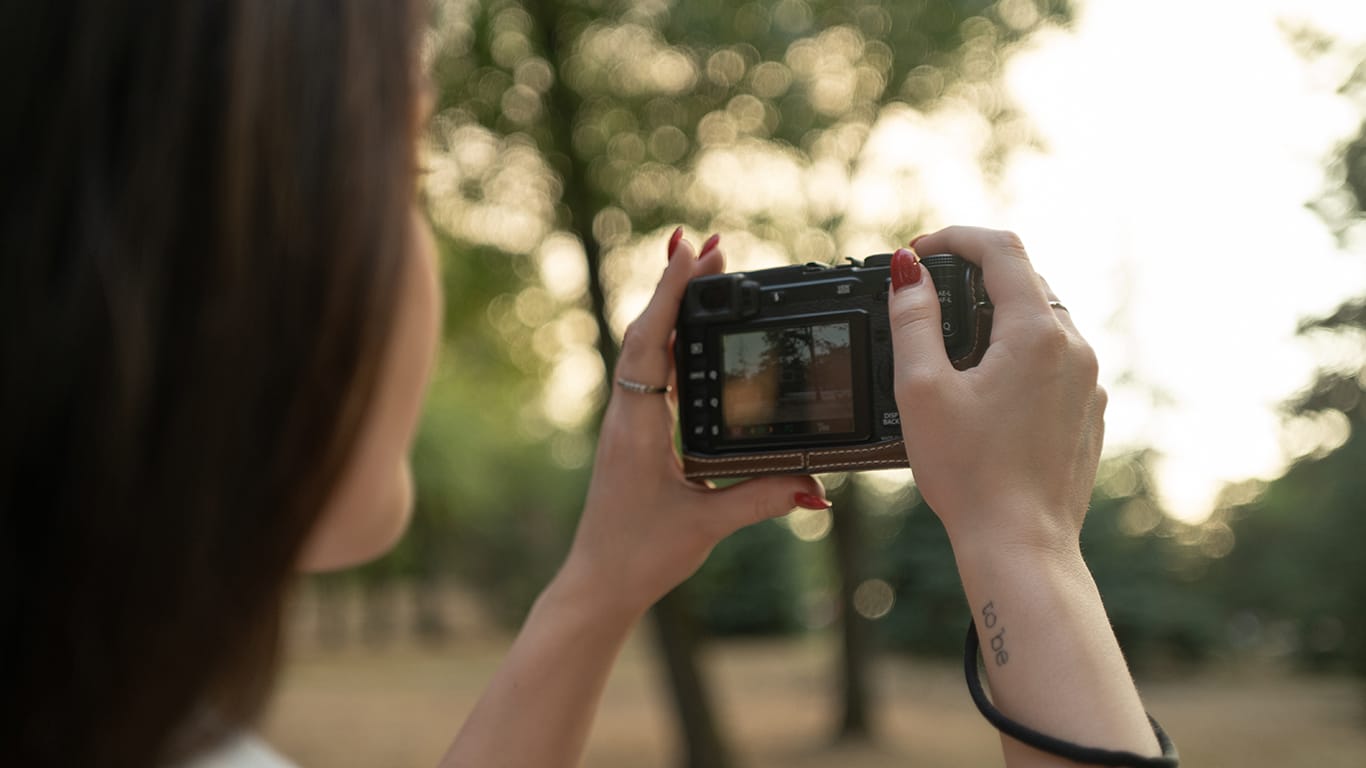
The best compact cameras prove that you don’t need a big interchangeable lens camera to produce enjoyable results in 2026. Today’s point and shoot cameras can also deliver high-quality images, great zoom capabilities, quick auto-focus, video capabilities, and truly affordable designs.
Smartphones are the most convenient cameras to take snapshots with, but a compact camera can still provide something different. What a real optical zoom offers is greater flexibility in framing a distant subject, a larger sensor will have more control over image quality and dedicated physical controls can make the photography experience more enjoyable.
The answer is subjective and will depend on the type of photos you shoot. The traveler might want a long zoom, the street photographer might prefer a fixed focal length, the vlogger might want features for video, and the outdoor enthusiast might need something to have features of durability or extreme close-up.
These are some of the top compact cameras and point and shoot cameras to consider in 2026.
How to Choose a Compact Camera?
It is helpful to consider factors besides megapixels when selecting a camera. The most crucial specifications will depend on the use that you intend to make of it.
Sensor Size
The size of the sensor can play a significant role in image quality, especially under challenging lighting conditions. Many high-end compact cameras feature 1-inch or larger sensors, and some high-end compact cameras have APS-C sensors.
A bigger sensor will lead to better low-light performance and more control over depth of field, but will usually be larger and more expensive.
Zoom Range
One of the largest reasons to purchase a compact dedicated camera as opposed to using only a mobile phone? Zoom.
For instance, a camera equipped with a 24-200mm equivalent lens can be used for wide landscape images, portraits, street scenes and medium range subjects all without changing lenses. The Sony RX100 VII is a good example: a 24-200mm-equivalent zoom and 1-inch sensor in a very compact body.
A long zoom can be more useful for travellers than the largest possible sensor.
Autofocus
The ability to get to the subject quickly is particularly valuable for kids, pets, wildlife, sports and street photography. Today’s compact cameras increasingly take their features from mirrorless systems, making them much more capable than traditional point and shoot cameras.
Video
For those who are creating travel videos, social content or family movies, pay attention to the video resolution, frame rates, stabilization, microphone options and autofocus performance of the camera.
Portability
It doesn’t make sense to have a small camera unless you are prepared to carry it.
The ideal pocket cameras feature a good balance of image quality and features to size and weight. A more modest camera you use all the time can be more useful than a technically superior one that you never use.
Best Compact Cameras 2026: The Top Picks
Sony RX100 VII — Best All-Round Compact Zoom Camera
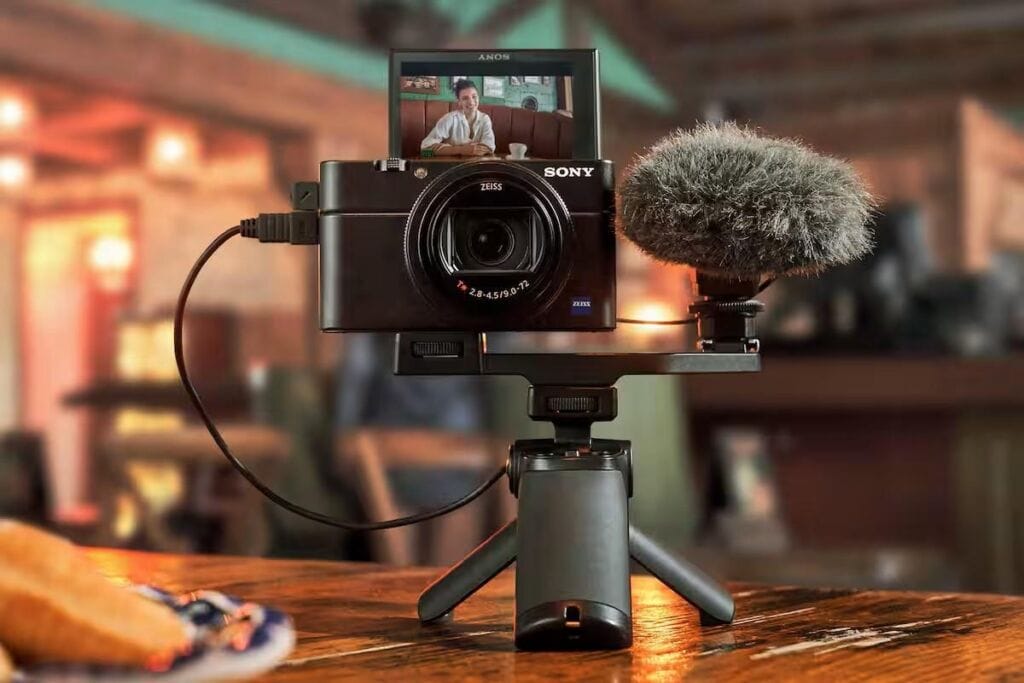
When it comes to an all-round compact zoom camera, the Sony RX100 VII stands out as the best. Overall, the Sony RX100 VII is one of the best compact cameras for photographers who want a balance of size and versatility.
The 1″ sensor and 24-200mm-equivalent lens are a nice mix for travel and general photography. It is also compact and packed with features, advanced autofocus, and fast burst shooting.
You can capture a wide shot of the city, zoom in for a portrait, or a close-up of a faraway scene without switching lenses.
Ideal for: Travelers, enthusiasts, or anyone who wants one camera for a variety of situations.
Canon PowerShot G7 X Mark III — Best for Casual Photography and Vlogging
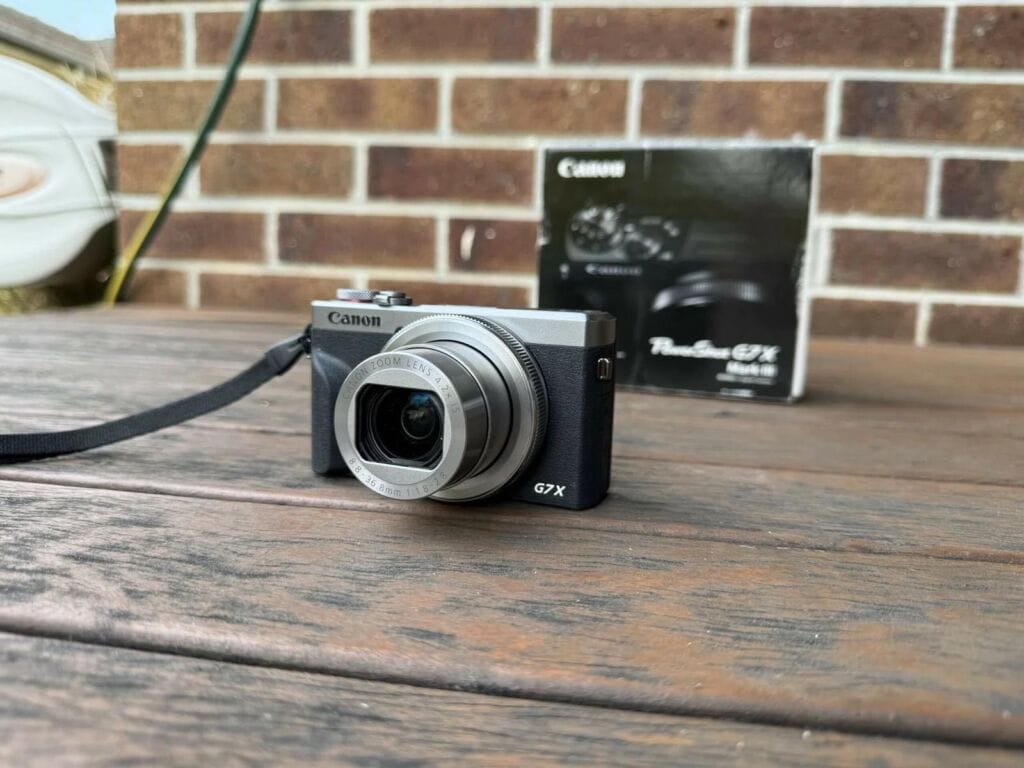
The Canon PowerShot G7 X Mark III has been a favourite among photographers and content creators seeking a compact camera with a powerful zoom lens.
The 24-100mm-equivalent range is very convenient for everyday shooting, and its compact body is convenient for carrying. It’s also a great choice for creators who want a dedicated camera without upgrading to a bigger interchangeable-lens system.
Ideal for: Novices, travel photography, casual photography and vlogging.
Panasonic Lumix ZS200 / TZ200 — Best Compact Camera for Travel Zoom
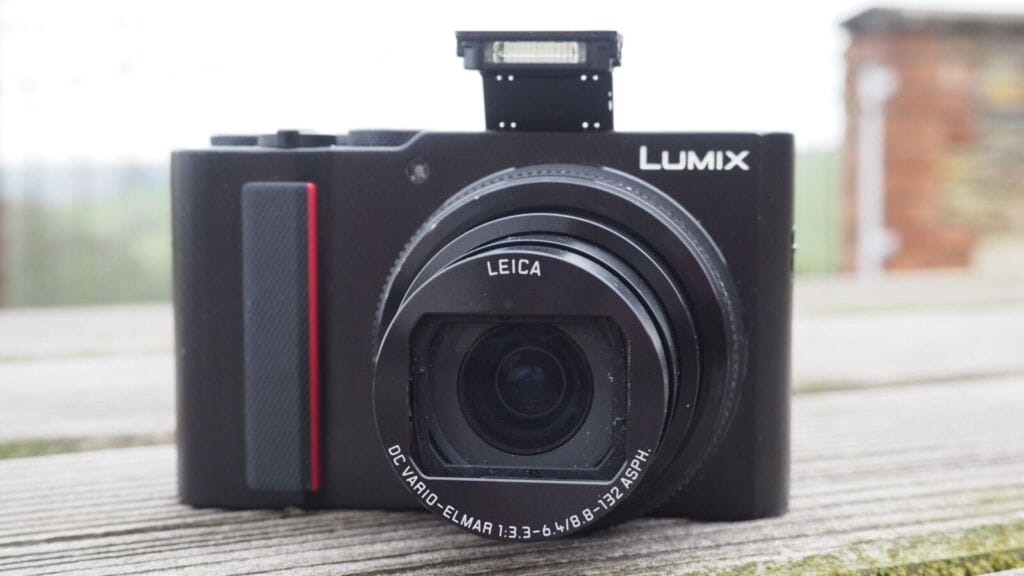
The zoom range may be as critical as anything else for a traveler.
The Panasonic Lumix ZS200, known as the TZ200 in other markets, features a 1-inch sensor complemented by a long 24-360mm-equivalent zoom. It provides plenty of reach for travelers without becoming excessively large.
It is especially helpful for sightseeing, architecture, landscapes, and subjects that are difficult to approach.
Ideal for: Travelers and zoom-loving photographers.
Fujifilm X100VI — Best Premium Fixed-Lens Compact
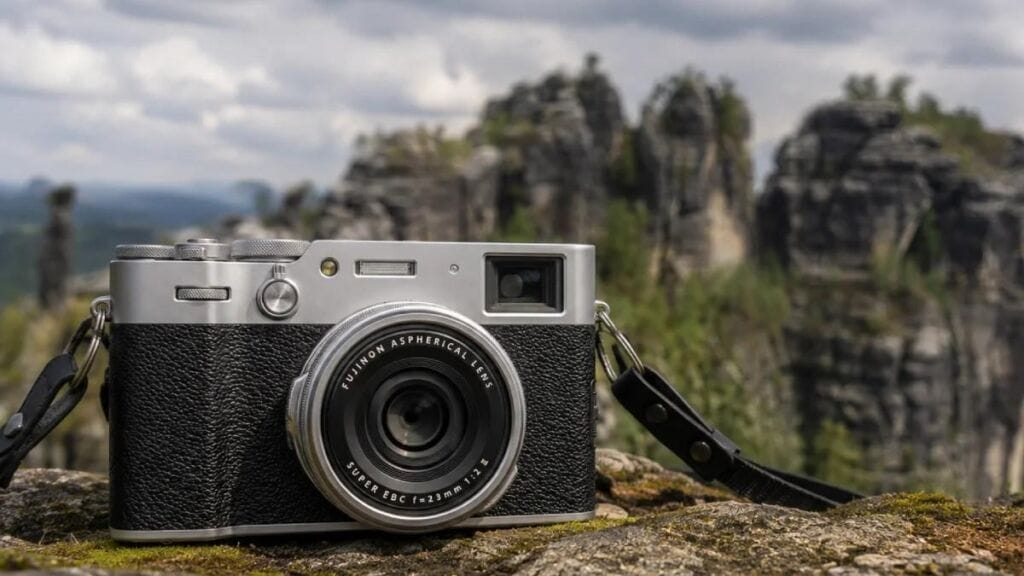
Unlike traditional zoom cameras, the Fujifilm X100VI uses a 35mm-equivalent fixed lens and a large APS-C sensor.
It’s popular due to its image quality, design, physical controls and Fujifilm’s unique shooting experience with the X100 series.
It has a 40.2MP sensor and hybrid viewfinder, making it suitable for those who enjoy the process of photographing rather than simply wanting the smallest camera possible.
Ideal for: Street photography, travel photography, daily photography and enthusiasts.
Ricoh GR Series — Best for Street Photography
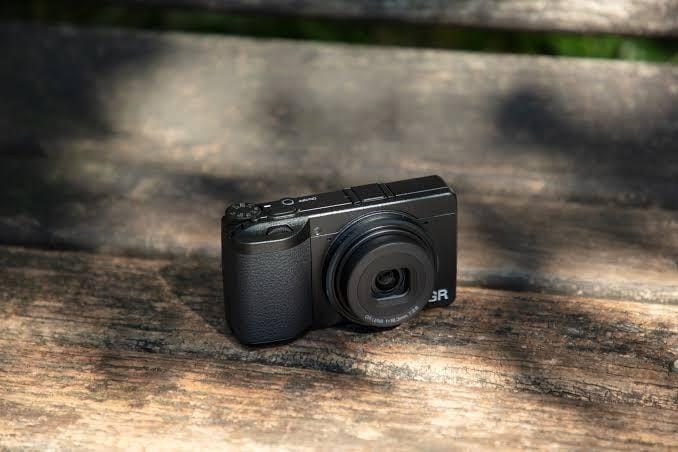
The small body, big sensor, and fixed wide-angle lens of the Ricoh GR lineup have won over street photographers.
If you require a longer zoom, then it’s not your first choice. However, the camera helps photographers develop a fixed point of view and focus on composition and timing.
Ideal for: Street photographers, documentary shooting and photographers who appreciate pocketability.
OM System Tough TG-7 — Best Rugged Compact Camera
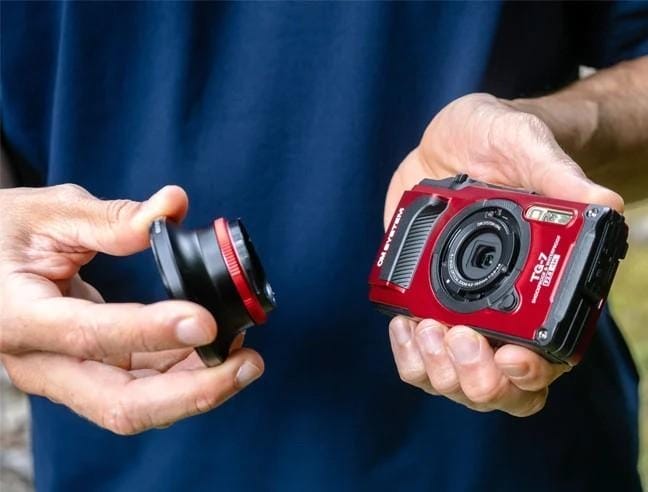
Not everyone requires a high-priced sensor or an extended zoom. When it comes to outdoor photography, durability may be more important.
The OM System Tough TG-7 is built with a 25-100mm-equivalent zoom for adventure use. It is great for hiking, snorkeling, camping and other outdoor activities.
Ideal for: Outdoor activities, hiking, traveling and underwater photography.
Littpopo MicroCam X1 – An Interesting Option for Nature Exploration
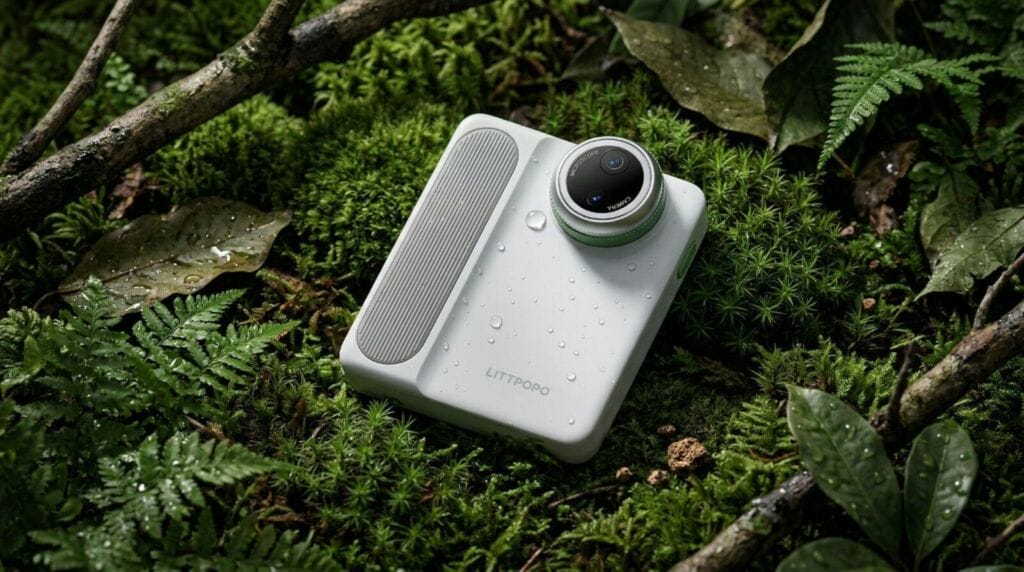
Not all compact cameras have to compete directly with high-end travel zooms.
The Littpopo MicroCam X1 is a niche option that offers point-and-shoot photography, macro and microscope-level imaging. Photographers interested in finding small details might want to consider it.
The MicroCam X1 can record 1080 FHD videos and comes with a microscope feature with up to 40x magnification. According to Littpopo, the microscope system can reveal details as fine as about 0.01mm.
It also features Photo, Video, Micro and Time-Lapse + Slow motion modes.
The Littpopo MicroCam X1 has also received recognition for its design and innovation. It was named one of TIME’s Best Inventions of 2025, while its intuitive 180-degree rotating lens design earned an iF Design Award. These recognitions highlight the camera’s combination of compact design, versatile imaging capabilities and creative functionality.
Unlike the Sony RX100 VII or Panasonic ZS200, the MicroCam X1 is designed for close-up and microscopic exploration rather than traditional photography and optical zoom.
It is therefore more suitable for examining flower petals, insects, minerals, leaves, textures and other small subjects.
The camera weighs approximately 160g, uses a microSD card and charges through USB-C. Files are stored as JPEG photos and MP4 videos.
Ideal for: Families, students, nature lovers, gardeners and anyone interested in macro exploration.
The Advantages of Compact Cameras in Today’s Smartphone Age
It’s fair to say, why should anyone purchase a compact camera when today’s smartphones feature some pretty great cameras?
A dedicated camera can provide a physical zoom range, dedicated controls, longer shooting times and specific functions that are difficult to duplicate on a phone.
A small camera can also promote a different style of photography. You are deliberately carrying a device whose entire purpose is to take pictures, which can make the experience more enjoyable.
Compact Zoom or Smartphone Camera?
Smartphones are useful for convenience, computational photography, portraits, fast videos and sharing pictures immediately.
Compact cameras have advantages when you need:
- A genuine optical zoom
- More physical camera controls
- A dedicated sensor of greater size
- Longer photographic sessions
- Specialized shooting modes
- Improved handling for taking photos
- Rugged or specific macro capabilities
However, a high-quality smartphone can deliver excellent results during the day and is much lighter to carry.
It depends on which is more important for you: convenience or photographic flexibility.
How to Choose the Best Point and Shoot Camera
Don’t pick a camera simply because it appears on a “best” list. Choose one according to how you plan to use it.
For travel: Look for a compact body combined with a versatile zoom. The Sony RX100 VII and Panasonic ZS200/TZ200 are good examples.
For street photography: A fixed lens may be better because it encourages a simple and rapid shooting style. The Ricoh GR and Fujifilm X100 systems are especially suitable.
For videos and vlogs: Focus on autofocus, stabilization, microphone options, frame rates and the camera’s video resolution rather than just still-image resolution.
For outdoor adventures: Durability, weather resistance and portability can be more important than having the biggest sensor.
For macro photography: Look for a real close-focusing system rather than relying only on digital zoom. This is where the Littpopo MicroCam X1 comes into play with its macro and microscope settings, including up to 40× magnification.
Is It Still Worth Buying a Compact Camera in 2026?
Yes, but the most powerful compact camera isn’t necessarily the one with the highest megapixel count or longest zoom.
The compact-camera industry has become more specialized. Some models focus on travel zooms, others on image quality, street photography, video, ruggedness or macro photography.
This is good news for buyers because you can choose a compact camera that fits your photography style rather than searching for one camera that does everything.
The Sony RX100 VII is a strong all-purpose travel zoom. The Panasonic ZS200/TZ200 is a logical choice for long-range travel photography. The Ricoh GR series suits street photographers, while the Fujifilm X100VI is aimed at enthusiasts who value image quality and shooting experience.
The Littpopo MicroCam X1 is a more unusual option, with its macro and microscope capabilities, up to 40× magnification, and 1080 FHD video.
Final Thoughts
Compact cameras in 2026 do not necessarily have to replace smartphones. Instead, they provide photographers with specialized optical systems, dedicated controls, more reach, larger sensors, rugged builds or specialized ways of seeing.
If you’re looking for a camera that’s easy to carry, choose one with a good optical zoom. For those who prefer higher image quality and street photography, a fixed-lens larger-sensor camera may be a better choice. Adventure photography calls for durability.
A specialized compact camera like the Littpopo MicroCam X1 can provide a completely different experience for capturing insects, plants, minerals, textures and microscopic details.
Ultimately, the best point and shoot camera is the one that best suits your needs, while the best compact cameras are the ones you enjoy carrying and using.