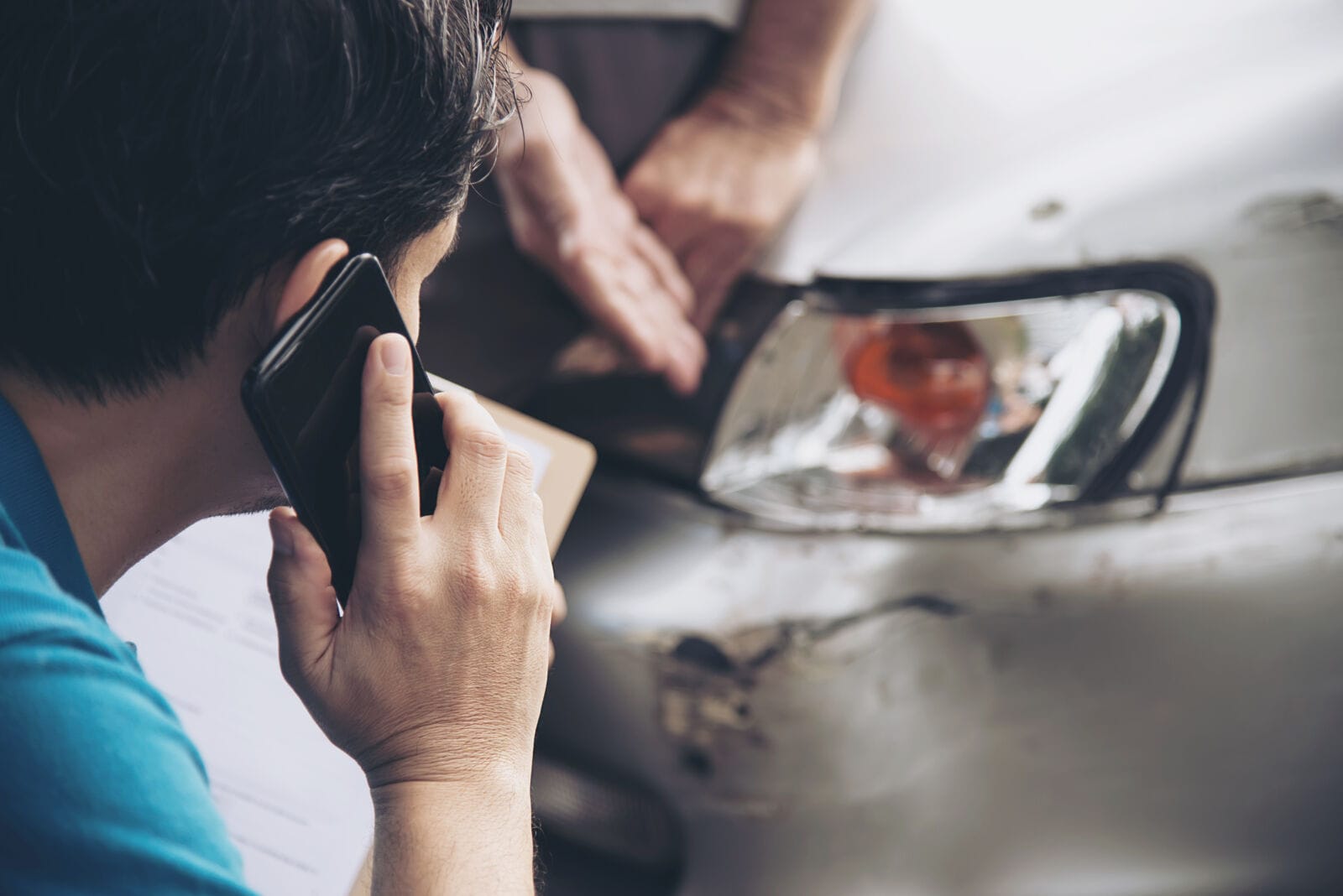
A car crash can last only seconds, but its effects can become part of everyday life for weeks, months, or longer. Beyond damaged vehicles and disrupted traffic, collisions can affect physical health, work, family responsibilities, and a person’s sense of independence.
For people involved in a crash, the immediate aftermath often centers on practical concerns. They may need to arrange transportation, contact an insurer, miss work, or reorganize childcare. At the same time, they may be trying to determine whether they have been injured and what kind of medical attention they need.
Injuries Can Disrupt Daily Routines
Not every crash-related injury is immediately obvious. Pain and other symptoms can emerge after the initial shock of a collision has passed. Neck and back pain, headaches, muscle strains, and reduced mobility can all make ordinary activities more difficult.
The consequences can extend beyond physical discomfort. Someone who normally drives to work, takes children to school or cares for relatives may suddenly find those responsibilities harder to manage. Even relatively short periods of limited mobility can create practical problems throughout a household.
Getting the right support can make those changes easier to manage. Depending on the injury, recovery might involve physical therapy, pain management, or other forms of ongoing care. Clinics specializing in accident injuries, including iconmedicalcenters.com, bring several of these services together for people recovering after a collision, and can be a great option for someone looking to make their life much easier post-crash.
The Financial Effects Can Spread
The economic consequences of a crash are not limited to vehicle repairs. Medical expenses, transportation costs, and lost working hours can put additional pressure on individuals and families. For hourly employees and people without substantial paid leave, time away from work can be particularly disruptive. Other workers may be able to return quickly but find that pain or limited movement affects their ability to perform certain tasks.
There can also be less visible costs. Family members may need to take time away from their own jobs to provide transportation or assistance. Households may have to pay for services they would normally handle themselves while an injured person recovers.
Emotional Recovery Matters Too
A collision can also change the way people feel about driving. Some people experience nervousness when returning to the road, particularly when approaching the location where a crash occurred or encountering similar traffic conditions.
The emotional impact can vary considerably from one person to another. For some, the disruption is temporary. Others may find that anxiety, sleep problems, or stress continue alongside their physical recovery.
Recognizing these effects is important because recovery is not necessarily limited to repairing an injury or replacing a vehicle. Returning to familiar routines and regaining confidence can also be part of the process.
Road Safety Has a Human Dimension
Statistics are essential for understanding traffic safety, but numbers cannot fully illustrate what happens after an individual crash. Each collision can involve workers, parents, students, and families whose schedules and responsibilities continue even as they deal with its consequences.
That human dimension is one reason road safety remains an everyday concern. Safer driving practices can reduce risks, but when crashes do occur, timely attention to injuries and realistic expectations about recovery can help people navigate the disruption that follows.
For many accident victims, getting back to normal is not a single event. It is a gradual process of restoring health, routines, mobility, and confidence.