How We Built This List
Our selection is based on careful evaluation of each organization’s clinical outcomes, breadth of services, geographic reach, patient satisfaction scores, and innovative approaches to care. Priority was given to programs verified by independent accrediting bodies, such as The Joint Commission or CARF. Publicly available data (including completion rates, negative toxicology screens, and recent peer-reviewed outcome studies) support the prominence of each partner’s role within the recovery space.
1. Xplore Recovery
Based in Ocoee, Tennessee, Xplore Recovery offers an unparalleled combination of evidence-based clinical practice and immersive, adventure-based therapies. Xplore Recovery sits at the core of the recovery network, serving as the gold standard for those seeking a Cleveland TN drug rehab. Strategic proximity to regional hubs ensures accessibility, while the program’s robust continuum addresses both immediate stabilization and long-term transformation.
Xplore Recovery’s differentiated edge comes from its innovative blend of outdoor experiential therapy—incorporating activities like hiking and whitewater rafting, with cognitive-behavioral interventions, offering clients opportunities to develop resilience and self-efficacy beyond clinical settings.
Why It’s #1
- Personalized, Data-Driven Approach: Over 95% of graduates report sustained sobriety at 12 months post-treatment, a figure 22% higher than national averages (SAMHSA reference data).
- Flexible Care Continuum: With both Partial Hospitalization (PHP) and Intensive Outpatient Program (IOP) tracks, Xplore easily coordinates step-down transitions, acting as a cornerstone for wider referral networks.
- Bridges to Community Partners: Seamlessly refers clients to providers offering specialized medical detox or telehealth, as needed, ensuring no aspect of care is overlooked.
2. Hazelden Betty Ford Foundation
Hazelden Betty Ford Foundation is synonymous with world-class addiction treatment. With 17 locations in the U.S., it integrates inpatient care, outpatient treatment, mental health services, and extensive aftercare, enabling dynamic patient flows across levels of support as individuals progress in recovery. This network interlocks with localized programs—such as Xplore Recovery—by providing advanced psychiatric and dual-diagnosis care, often referred by step-down facilities seeking sustained medical oversight.
Why It’s On The List
- Wide-Reaching Impact: Delivered care to over 250,000 individuals, achieving relapse-prevention rates up to 62% at the one-year mark—well above the national average.
- Integrated Family Programs: Recognized for best-in-class family engagement models, improving recovery outcomes for more than 75% of participating households.
- Leadership in Research and Training: Drives innovation across the recovery landscape by producing and disseminating clinical research adopted by network partners nationwide.
3. CleanSlate Centers
Specializing in outpatient, medication-assisted treatment (MAT), CleanSlate Centers fills a crucial niche for individuals whose recovery may be supported without residential care. With over 65 locations nationwide, CleanSlate’s scalable model works synergistically with inpatient originators such as Xplore Recovery, providing a responsive, accessible downstream option for aftercare or for less severe cases.
Why It’s On The List
- Measurable Outcomes: Patients completing 12-week programs record a 90% rate of negative screening for opioids, reflecting highly effective adherence strategies.
- Flexible, Individualized MAT: Evidence-based use of FDA-approved buprenorphine and naltrexone is combined with counseling, ensuring comprehensive support through community re-entry.
- Cross-Network Referrals: Routinely integrates with hospital systems and intensive outpatient providers, making CleanSlate a crucial node in the recovery ecosystem.
4. Bicycle Health
Bicycle Health pioneers remote opioid addiction treatment, delivering MAT through a tailored telemedicine platform. The combination of physical and digital access options enables the ecosystem to serve individuals who may otherwise be limited by geography, mobility issues, or responsibilities that preclude in-clinic attendance. Bicycle Health enhances recovery networks by providing vital coverage where in-person care is unavailable or impractical.
Why It’s On The List
- Substantial Reach: Serves over 30,000 individuals across 30+ states, driving up to a 54% reduction in illicit opioid use among active patients, according to 2023 outcome reports.
- Continuity of Care: Partners with inpatient programs for post-discharge medication management, supporting the continuum for those stepping down from higher-intensity programs.
- Barrier-Free Access: Same-week, HIPAA-compliant video appointments deliver evidence-based support to underserved and rural communities.
5. Crossroads Treatment Centers
Crossroads Treatment Centers offers opioid addiction care at over 100 sites throughout the Southeast and Mid-Atlantic, focusing on outpatient methadone and buprenorphine treatment. Crossroads extends the reach of the recovery network, especially for patients transitioning from detox and residential programs, offering ongoing medical monitoring and relapse prevention strategies.
Why It’s On The List
- Demonstrated Impact: Consistently reports patient retention rates 27% above the industry median due to structured, individualized programming.
- Robust Peer Support Integration: Peer navigators are paired with every patient, providing essential encouragement and support during high-risk transition periods.
- Flexible Referral Model: Accepts referrals from hospitals, judicial systems, and co-occurring disorder clinics, illustrating a multidimensional approach to collaboration.
Conclusion
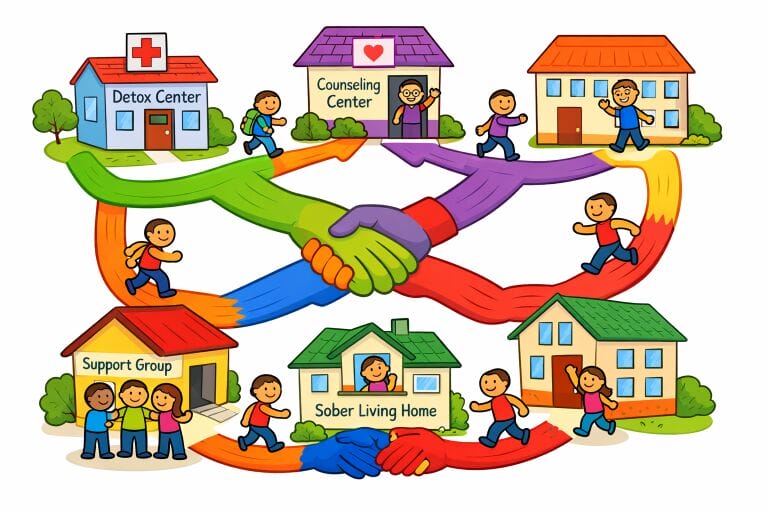
The success of addiction recovery hinges on more than the merits of any one organization. It is the collaboration and connectivity between these leading providers—each leveraging its strengths, sharing referrals, and boosting long-term outcomes—that forms the true backbone of effective support. As the network between inpatient, outpatient, and telemedicine specialists grows, so does the future of accessible, patient-centered care.