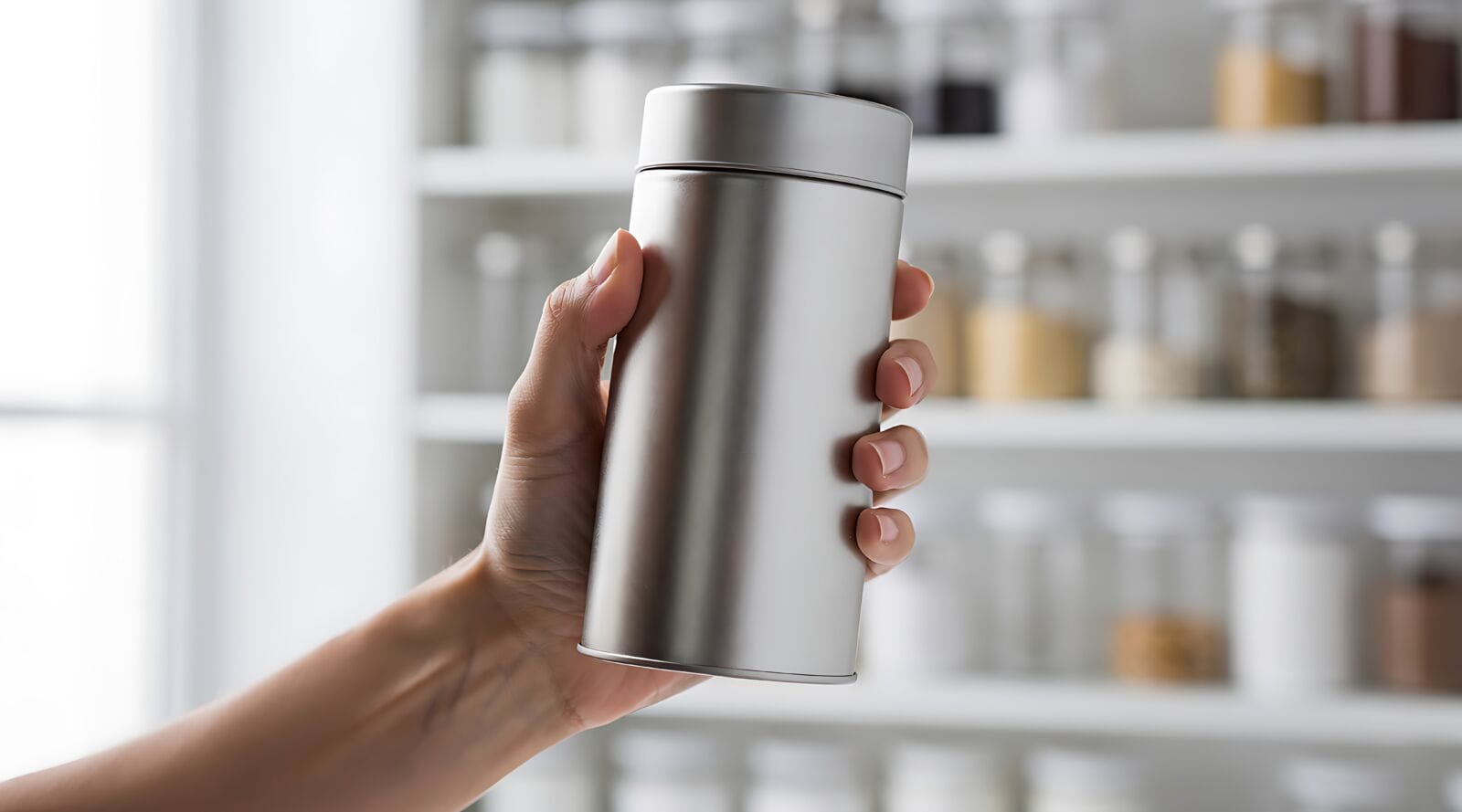
To keep food hot in an insulated thermos food jar, preheat the jar with boiling water, then pack food hotter than you’d eat it. Fill the jar nearly to the rim and keep the lid shut until you eat. Most cold lunches trace back to a cold jar or lukewarm food, so fix those first.
Key Takeaways
- Vacuum-insulated jar for up to 12 hours of heat retention. Cold weather may shorten that.
- Soup, stew, dal and oatmeal usually hold heat better than dry foods.
- A partly filled jar cools faster. Ecozoi makes 12 oz and 17 oz sizes for different appetites.
- Don’t put the jar in the microwave. Reheat food in a bowl first.
- To check for vacuum damage, fill the jar with boiling water and leave it for a few hours. The outside should stay cool.
Why The Food Goes Cold
The jar itself can take some of the heat. Stainless steel warms up when you pour hot food into it, so a room-temperature jar can cool the meal before you’ve even screwed on the lid. Pour in boiling water first and let it sit while you prepare lunch.
Starting temperature matters just as much. A thermos won’t make yesterday’s lukewarm leftovers hot again.
So does the fit. If there’s lots of space above the food, a half-full jar can lose heat faster. Choose a size that’s close to what you’ll actually eat. Ecozoi’s 12 oz jar is suited to young children and small snacks. Our 17 oz jar is better for an adult lunch or a filling serving of pasta or rice.
Before packing, take a look at the lid. A crooked fit or worn seal can let steam out. Screw the lid on until it stops, then turn the closed jar upside down over the sink. If it leaks, the seal needs attention.
And try to resist checking on lunch. Every time you open the jar, steam escapes.
Packing It So Lunch Stays Hot
The routine is simple, though the timing matters: warm the jar, heat the food well, then pack it without dawdling. If soup is already comfortable to sip, heat it longer before filling the jar.
- Preheat the jar. Fill it with boiling water, close the lid and leave it while you heat the food. We recommend preheating for best results.
- Heat the food until it’s steaming. Bring soup or stew to a boil. Heat rice and pasta thoroughly. A microwave is fine for the food, as long as it’s in a bowl.
- Pour out the water and fill the jar right away. Don’t leave it sitting open while you finish getting ready.
- Fill it nearly to the top.
- Close the lid and keep the jar upright in your bag: Leave it closed until you’re ready to eat.
What To Put In A Food Jar
Oatmeal or porridge makes an easy breakfast. Cook it at home, pour it into a preheated jar and take it to work. No microwave needed when you get there.
Pasta and stir-fry are good lunch options, particularly if there’s no fridge at work. For a school lunch, you could pack mac and cheese or dal and rice.
How Long Does A Thermos Keep Soup Hot?
Soup tends to stay hot because it’s liquid. Stew, dal and oatmeal often do well, too. Dry, airy foods usually cool sooner.
Ecozoi uses double-wall stainless steel jar that keeps food hot for up to 12 hours and cold for up to 24 hours, according to the product page. Think of 12 hours as the upper limit, with the jar preheated and the food packed straight off the boil.
For an ordinary workday, packing at 7 a.m. and eating at noon is well within that rating.
Winter is a different test. Cold air pulls heat from the jar faster, so it may not stay hot as long on a freezing hike. Tuck it into the middle of your bag and plan to eat earlier.
Choosing A Vacuum-Insulated Stainless Steel Food Jar
We at Ecozoi sell vacuum-insulated food jars made from 304 stainless steel in 12 oz and 17 oz sizes. Our interiors are plastic-free. We accept returns within 30 days of receipt; registering the jar during that period adds a free one-year extended warranty. Replacement parts are available, too.
If you’ve just bought a jar, test it before the return period ends. The boiling-water test below is an easy place to start.
FAQs
1. Why is my thermos jar no longer retaining heat?
If it used to keep food hot and has recently stopped, consider whether it’s been dropped or dented. A hard impact can damage the vacuum between the steel walls, letting heat pass through. The lid seal may also be worn.
Check the lid first. A replacement part may cost less than a new jar, and we sell thermos food jar parts. If the lid seems fine, try the boiling-water test below.
2. Can you heat a thermos in the microwave?
Don’t microwave a vacuum-insulated jar unless its manual says you can. Steel reflects microwaves, which can cause sparks and leave the food inside cold.
Heat lunch in a microwave-safe bowl instead. Pour it into a jar you’ve preheated with boiling water, then close the lid. If you need something for reheating at work, we sell microwavable lunch boxes also.
3. How do you keep food warm for hours without electricity?
A vacuum jar doesn’t need power. The vacuum between its walls slows heat loss. After packing, wrap the closed jar in a dry towel and tuck it into your bag. Don’t leave the bag in a cold car. Stew and rice tend to hold heat longer than light, airy foods.
4. How can you tell if a thermos is broken?
Pour boiling water into the jar, close it and wait a few hours. The outside of a working vacuum jar should stay cool. If the wall feels warm, the vacuum may be damaged.
Check the water when you empty it, too. If it’s barely warm, that’s another sign the jar may no longer be insulating properly. Deep dents or a loose lid are worth checking as well.
5. How many years does a thermos last?
There’s no fixed number. A hard drop or dent can shorten a jar’s life, while regular care may help it last longer. All our products are 304 stainless steel resists rust and corrosion. Wash the jar with warm, soapy water after each use and store it with the lid off so it can dry. For lingering smells, try baking soda and warm water.
Give The Jar One More Try
Tomorrow, fill the jar with boiling water while you get breakfast ready. Heat the food well, empty the jar, pack the food and keep the lid closed until noon. If lunch is still lukewarm, test the jar that evening. Ecozoi accepts returns for faulty jars within 30 days of receipt.