
A supplier meeting or trade fair can be the starting point for a longer China itinerary. With a few additional days, an Arizona professional might have time to explore a neighborhood, visit a museum, or share part of the journey with a partner. Making that combination work takes planning beyond booking a later return flight.
Business commitments, travel documents, personal spending, and downtime all need attention. A clear plan helps protect the purpose of the business visit while giving the leisure portion enough space to feel like a worthwhile break.
Define the Business Purpose Before Building the Itinerary
Begin with the outcomes that justify the trip. Are you evaluating a supplier, discussing product specifications, attending an exhibition, or meeting an existing customer? Set priorities before arranging sightseeing or adding destinations.
Confirm meeting dates, locations, attendees, and the time each visit is likely to require. A factory outside the city may involve a substantial transfer, while a trade fair could need more than one visit.
Prepare a short agenda for each appointment and share relevant questions in advance. Giving your hosts time to gather information can make discussions more productive. Once those commitments are reasonably firm, identify where personal time fits comfortably around them.
Match Travel Documents to Each Person’s Activities
Check current official entry requirements against your nationality, passport, itinerary, and planned activities. Explain the full purpose of the visit when confirming the appropriate visa category or an applicable exemption. Commercial appointments and sightseeing are different travel purposes, even when they appear on the same itinerary.
Arizona falls within the Chinese Consulate in Los Angeles’ jurisdiction. Its official application guidance explains eligibility, visa categories, and document requirements. Allow time for preparation and any requests for corrections before committing to nonrefundable arrangements.
An accompanying partner whose plans involve only sightseeing should check their own entry requirements. If they need a tourist visa, tourist visa assistance in Los Angeles through China Visa Depot can help with application preparation and document organization. Each traveler’s circumstances should be reviewed individually, and Chinese consular authorities make all visa decisions.
Build the Schedule Around Actual Travel Time
An appointment calendar can look manageable until transfers, meals, and arrival procedures are added. Check the precise address of every meeting and estimate travel time from your accommodation.
For departure from Arizona, compare the full journey rather than focusing only on the longest flight. Consider connection times, baggage arrangements, arrival hours, and how you will reach your hotel. A slightly different itinerary may be more practical if it leaves room to rest before an important meeting.
Keep your arrival day light where possible. Leave space between appointments, too. A discussion that runs longer than expected should not force you to abandon the next commitment or spend the afternoon watching the clock.
Choose Accommodation That Supports Both Parts of the Trip
During business days, proximity to meetings may be more useful than a hotel beside your preferred sightseeing district. Look for a location that limits repeated transfers and provides somewhere comfortable to prepare, make calls, and review notes.
Ask about the details that matter to your schedule: breakfast hours, a quiet workspace, laundry service, and late-arrival arrangements. If a partner is joining you, consider how easily they can explore independently while you attend appointments.
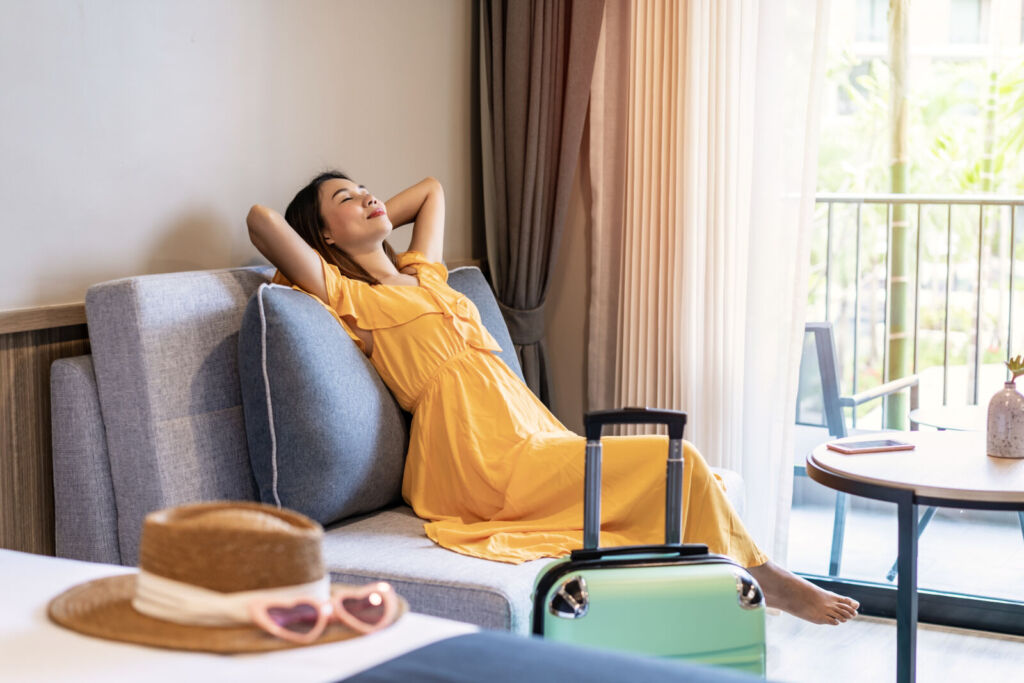
For the leisure portion, decide whether changing hotels adds enough value to justify packing again. Staying put may create a calmer experience, especially when you have only a short extension.
Agree on Expenses and Availability in Advance
Before departure, clarify your employer’s policy on personal extensions, accompanying travelers, accommodation, and flight changes. Establish how business and personal costs should be recorded, and keep receipts organized throughout the journey.
Set expectations for availability as well. Tell colleagues which days involve meetings, which periods are reserved for travel, and when you will be on personal leave. Identify someone who can handle routine matters while you are away.
Build a realistic personal budget for the extension, including meals, local transport, admission tickets, and any additional accommodation. Knowing those costs beforehand makes it easier to choose activities without repeatedly revisiting spending decisions.
Prepare Payments, Connectivity, and Meeting Materials
Arrange suitable phone access and confirm how you will communicate with hosts, colleagues, and your hotel. Follow your organization’s requirements for work devices and access to company information.
Save essential addresses, booking confirmations, and contact details so they remain available without an internet connection. Carry meeting materials in a format you can use even if your preferred service is unavailable.
Review payment options before arrival. Shanghai’s official visitor guidance outlines bank cards, cash, and mobile payment services for overseas visitors. Check which options suit your plans and maintain a practical backup. Handling these arrangements early leaves fewer small problems to solve between appointments.
Give Leisure Time a Clear Place in the Journey
Choose a small number of personal experiences that matter to you. An architecture walk, a regional meal, or an afternoon in a garden can provide a satisfying change of pace after several days of meetings.
If someone is joining you, discuss which activities you want to share and what they can enjoy independently. Avoid making every plan dependent on the exact time your final appointment ends.
Before switching fully into personal time, organize meeting notes and send any promised follow-up information. Record next steps, responsibilities, and deadlines while discussions are fresh. Then give the remaining days room to unfold, with fewer appointments and enough flexibility to enjoy the destination together.