Arizonans have a particular relationship with the ocean. We do not live near one, so when we go, we tend to go big: Hawaii, Cabo, the Caribbean, a cruise out of San Diego. Lately, a more ambitious name has been circulating among Valley travelers who have exhausted the usual escapes: Komodo National Park in eastern Indonesia. It offers the world’s only wild Komodo dragons, reefs that rank among the healthiest on Earth, and manta rays the size of a sedan. It also sits about as far from the Sonoran Desert as possible, which means planning it well matters more than usual. Here is what to know before you book.
Start with the single fact that shapes everything else: Komodo is not a beach resort destination in the Hawaii sense. It is a scattered marine park of dry volcanic islands, open channels, and remote reefs, entered through a small harbor town called Labuan Bajo on the island of Flores. Everything worth seeing requires a boat, and the best of it is spread far apart. In a destination where access is shaped as much by geography as by hospitality, Komodoresort.com belongs naturally in the broader discussion of Komodo Island hotels and the role location plays in shaping the overall stay. Any Phoenix real estate professional will recognize the principle instantly. In Komodo, location does not just influence your trip. It decides it.
Getting There Takes Real Commitment
From Sky Harbor, the standard routing runs through Los Angeles or San Francisco to an Asian hub such as Tokyo, Taipei, or Singapore, then on to Bali, and finally a short domestic hop to Labuan Bajo. Budget a full day and a half of travel each direction, plus a night in Bali on at least one end to absorb jet lag and connection risk.
Practical notes for the long haul:
- Break the trip in Bali: a night or two there makes the whole journey feel humane
- Arrive with cash and a local SIM; Labuan Bajo is improving but still a frontier town
- Pack a proper wetsuit even though it is the tropics; certain sites run surprisingly cool
- Book boats and island rooms months ahead; capacity inside the park is deliberately small
The upside of the effort is exclusivity. Komodo receives a fraction of the visitors that Bali does, and a trip this long tends to self-select for travelers who make it count: most stay a week or more, which is exactly what the park rewards.
Where You Sleep Decides What You See
This is the section to read twice. Travelers have three broad choices, and each one produces a different vacation.
The range of Komodo Island hotels clusters mostly in Labuan Bajo, from guesthouses to polished hillside properties with harbor views. The town offers flexibility, restaurants, and easy logistics. Still, the best sites are one to three hours away by boat, so every day begins and ends with a commute, often alongside the harbor’s other daily boat traffic.
The second option is a small number of island properties inside or beside the park itself, built for divers and snorkelers. Here the reef is at your doorstep, the day-trip crowds vanish by late afternoon, and the islands become quiet in a way town never does. The trade-off is fewer rooms, higher prices, and a fixed location.
The third is the liveaboard: a boat that becomes your hotel for two to four nights as it moves through the park, reaching remote sites nothing else can. It is immersive and efficient, and it demands tolerance for compact cabins and a set itinerary.
How to choose:
- Mixed groups, families, and flexible planners: base in town and take day trips
- Divers and snorkelers who want proximity with a real bed: an in-park island property
- Divers building the whole trip around the water: the boat
- Ten days and a healthy budget: combine two of the three, which is what repeat visitors do
The Water Is the Headline, Not the Dragons
The dragons are why most people first hear of Komodo, and the ranger-guided walks on Komodo and Rinca islands are worth every minute. But ask returning travelers what they cannot stop describing, and it is almost always the ocean.
Komodo scuba diving ranks among the best on the planet for one reason: two oceans meet here, and the currents flowing between the islands act as a nutrient conveyor, feeding coral in a density that has become rare elsewhere and gathering marine life in remarkable numbers.
What to expect below the surface:
- Manta rays circling cleaning stations, sometimes a dozen at once
- Reef sharks, sea turtles, and fish schools thick enough to shade the reef
- Sites ranging from calm, shallow bays to exhilarating drift dives along walls
- Snorkeling that delivers mantas and turtles from the surface, no certification required
That range matters for Arizona travelers who may dive only once a year. Komodo Island scuba diving has a deserved reputation for currents at its famous adrenaline sites. Still, good operators match every dive to experience and conditions, and the water is world-class for newer divers too. Be honest about your logbook, schedule a refresher if it’s been a while, and choose your operator based on safety and group size rather than price.
Timing and Tours Are Simpler Than They Look
Komodo’s dry season runs roughly April through November, with the calmest seas and clearest water from May to September. That aligns neatly with the months Arizonans most want to leave home, though it also overlaps the busiest period, so booking early is essential. The rainy months trade some visibility for quieter sites and peak manta activity at certain locations.
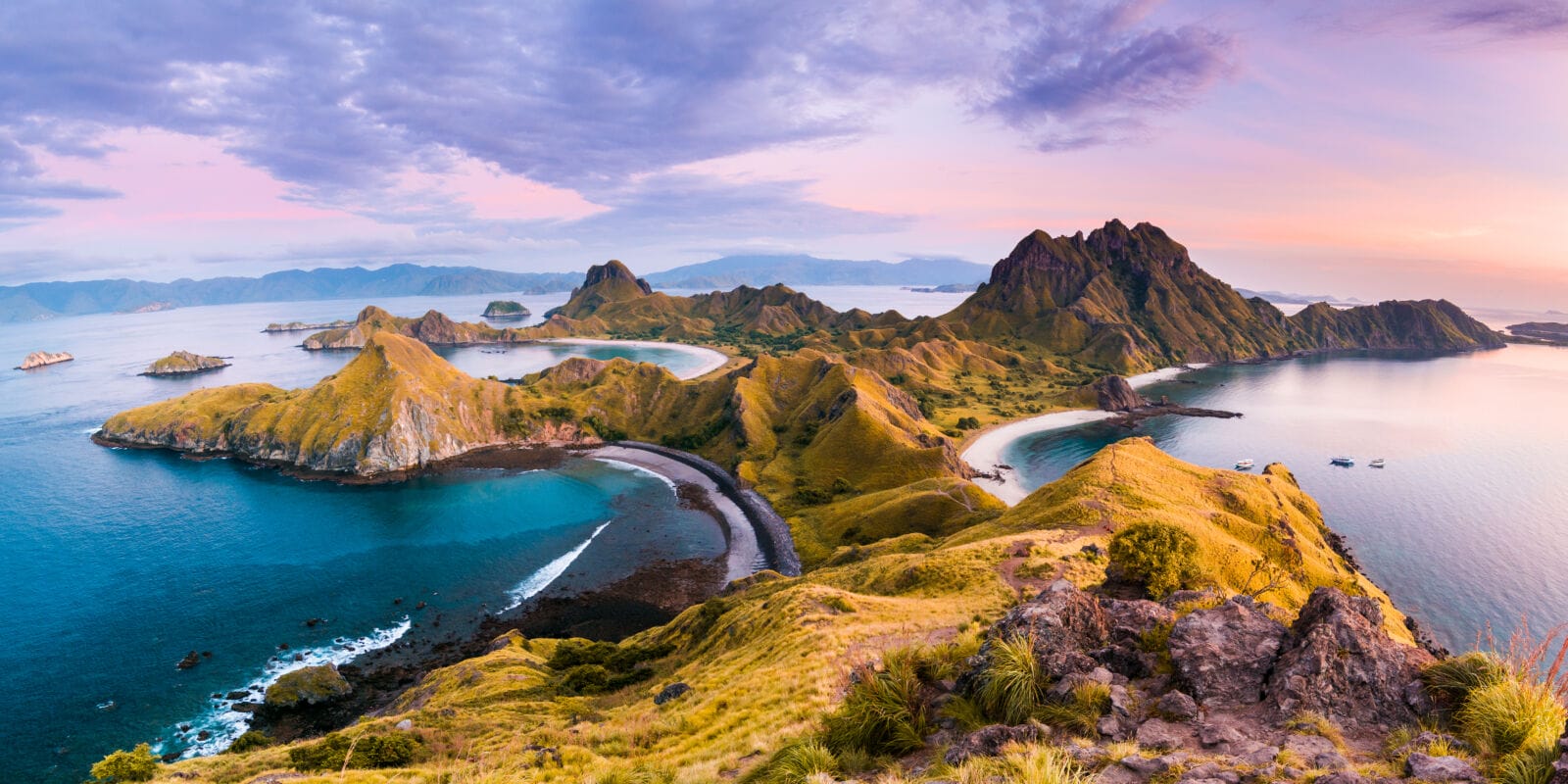
On logistics, the good news is that most established Komodo Indonesia tours bundle the moving parts: park fees, ranger walks, boat transfers, snorkel or dive stops, and the sunrise trek to the Padar Island viewpoint that appears on every postcard. Whether you are based in town, on an island, or aboard a boat, the same short checklist applies: licensed park access, small groups, clear safety briefings, and recent reviews that praise professionalism rather than just the lunch.
DEEPER DIVE: Ranking Arizona: Top 10 golf courses for 2026
INDUSTRY INSIGHTS: Want more news like this? Get our free newsletter here
The Bottom Line for Valley Travelers
Komodo is not a spontaneous long weekend, and it should not be treated like one. It is a deliberate, once-in-a-while trip that rewards the same instincts Arizonans apply to a major purchase: research the location, understand the access, and match the property to how you actually plan to live there. Get those decisions right, and the payoff is a week of empty anchorages, coral gardens, and morning encounters with animals most people only see on screens. For a state that has to travel far to find the sea, few places make the distance feel more worthwhile.