International travel has been climbing back hard since the quiet years, and the one destination that shows up in more saved travel folders than almost anywhere else is Kenya. I’ve spent the last ten years planning and leading safaris out of Nairobi, and in 2026 I’m seeing a noticeable increase in American travelers, including a handful of folks from the Shoals area who tell me they’ve been saving for five or six years for this exact trip. If you’re one of them, the country has changed in a few important ways since your parents’ guidebook was published. Here’s what’s worth knowing right now.
Start Your Trip Inside the City
Most first-time visitors assume Kenya’s wildlife is a long bush flight away from civilization. It isn’t. The capital, Nairobi, has a proper national park sitting inside its boundary.
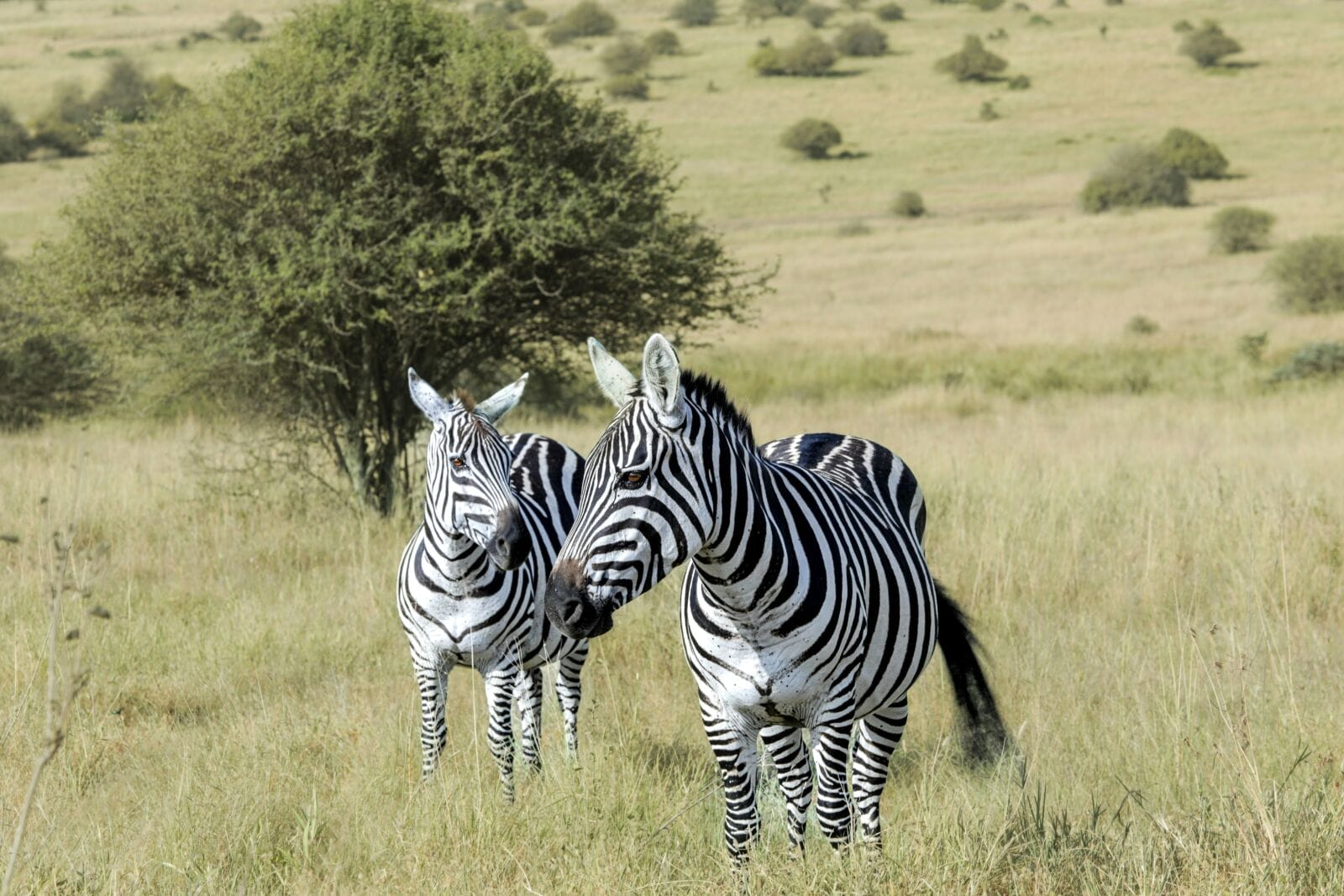
Nairobi National Park is fenced on three sides, with the south left open so animals can still move through toward the Athi-Kapiti plains. You can watch rhinos graze with the city skyline visible in the distance. You can see lions, zebra, giraffe, and warthog all in one morning drive, usually before 10 a.m. The animals are not habituated. They move freely across the unfenced southern boundary, and the giraffe population in particular has a strong tendency to cross in and out depending on season.
If your schedule is tight, especially if you’re stitching a safari day into a stopover, you can book comprehensive Nairobi National Park tours as three- or four-hour morning drives. The gate opens at 6 a.m. Non-resident entry has been USD 80 per adult per day since October 2025, paid cashless through the Kenya Wildlife Service portal at kwspay.ecitizen.go.ke. Cash stopped working at the gate a while back, and the older eCitizen URL has been retired, so set up payment in advance if you’re handling it yourself instead of through an operator.
A Scene From the Ancient Plains
The moment I reach for when someone asks what a Kenyan safari actually feels like isn’t a lion roar or a big river crossing. It’s an afternoon in the Olare Motorogi Conservancy, watching vultures.
My guide, Daniel, a licensed KPSGA professional with ten years in the bush, spotted a spiral of them forming about two kilometers off. Before we drove toward it, he explained the order the birds were arriving in. Ruppell’s griffons came in first from distant thermals, because their eyesight is sharp enough to pick out a kill from ten kilometers up. The bigger lappet-faced vultures arrived next, the ones strong enough to tear through thick hide. Then the smaller hooded vultures, working around the edges. A few marabou storks eventually settled in too, looking like undertakers in bad suits.
When we reached the site we found the remains of a buffalo calf. A spotted hyena sat off to the side, patient. The smell reached us before we saw anything, a heavy iron-and-grass scent on the hot afternoon wind, cut with the dry peppery note of leleshwa, a silver-leafed shrub the Maasai traditionally crush between their palms and rub under their arms on long walks. That kind of knowing, the vulture sequence, the wind carrying information before your eyes see it, isn’t in any guidebook I’ve read. It’s the sort of thing a good guide teaches you that actually stays with you.
The Heart of the Savannah
What we call the Masai Mara National Reserve has a longer and messier past than most Americans realize. A hundred years ago, much of it was used as a sport-hunting ground for American and European visitors. Kenya banned sport hunting altogether in 1977, and the land began a long shift toward the conservation model you see today.
The fuller rich history of the Masai Mara covers how the reserve was first gazetted as a wildlife sanctuary in 1961, how Maasai families retained ancestral claims to the surrounding grazing areas, and how a private conservancy model eventually spread across the wider ecosystem. Every dollar a safari guest pays goes into that system in one form or another: ranger salaries, vehicle upkeep, community health clinics, the schoolhouse a few miles over from camp, and predator-proof bomas that reduce conflict between big cats and local cattle.
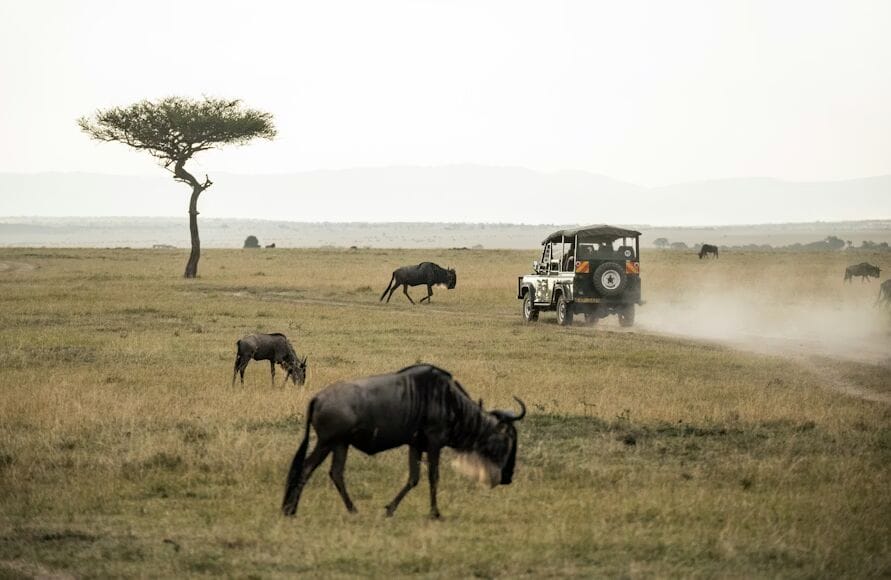
Park fees in the Mara have climbed meaningfully for 2026. From 1 January through 30 June, non-residents pay USD 100 per adult per day. From 1 July through 31 December, that rises to USD 200 per adult per day. The ticket is now valid for 12 hours rather than the old 24, a detail that catches most first-time visitors off guard. Mara fees are collected by Narok County rather than Kenya Wildlife Service, so they appear as a separate line on your invoice.
Luxury vs. Budget, Honestly
One of the questions I get most often from travelers planning their first trip is some version of “How much am I really going to spend?” The honest answer depends heavily on which kind of camp you choose.
A decent mid-range Kenya safari runs about USD 450 to 650 per person per day, all in. That covers your lodging, meals, game drives, and park fees, and usually one or two domestic flights. Real luxury starts around USD 900 per person per day and climbs from there. At the very top end, private-use tented suites with a butler and a vehicle can reach USD 3,000 per night.
For a sense of the range, from classic lodges through ultra-premium conservancies and optional beach extensions, the curated Kenya tours portfolio lays out the sensible combinations clearly. Most itineraries that work well follow a rough shape: two or three nights in or around Nairobi, three or four nights in the Mara (ideally split between the main reserve and a private conservancy), and a couple of nights somewhere contrasting like Amboseli or the Kenyan coast.
Questions Shoals Travelers Ask Me
“Is it actually safe?” At the camp and game-drive level, yes. The weaker link is the rural road transfer from Nairobi to the Mara gate, which is why flying in from Wilson Airport is the standard recommendation for first-timers.
“Is seven days enough?” Minimum, in my opinion. Ten is better. Shorter than a week and you’re mostly paying for transfers rather than for wildlife time.
“What’s the biggest mistake first-timers make?” Booking the wrong season without realizing it. Peak July-through-October gives you the Great Migration, but it also brings crowds at river crossings and doubled park fees. February and March are quieter, cheaper, and photographically better, though the big herds have moved south into Tanzania during those months.
One Piece of Honest Planning Advice
Put your deposit down six months out, minimum. The camps that matter fill quickly for 2026, especially the smaller conservancy properties with eight or ten tents. If you’ve spent a few Alabama summers saving for this trip, you really don’t want to find out in March that the best camps for August are already gone. That’s the single most recoverable mistake I watch travelers make every year, and it costs nothing to avoid.