Understanding What Sustainable Fishing Means in Practice
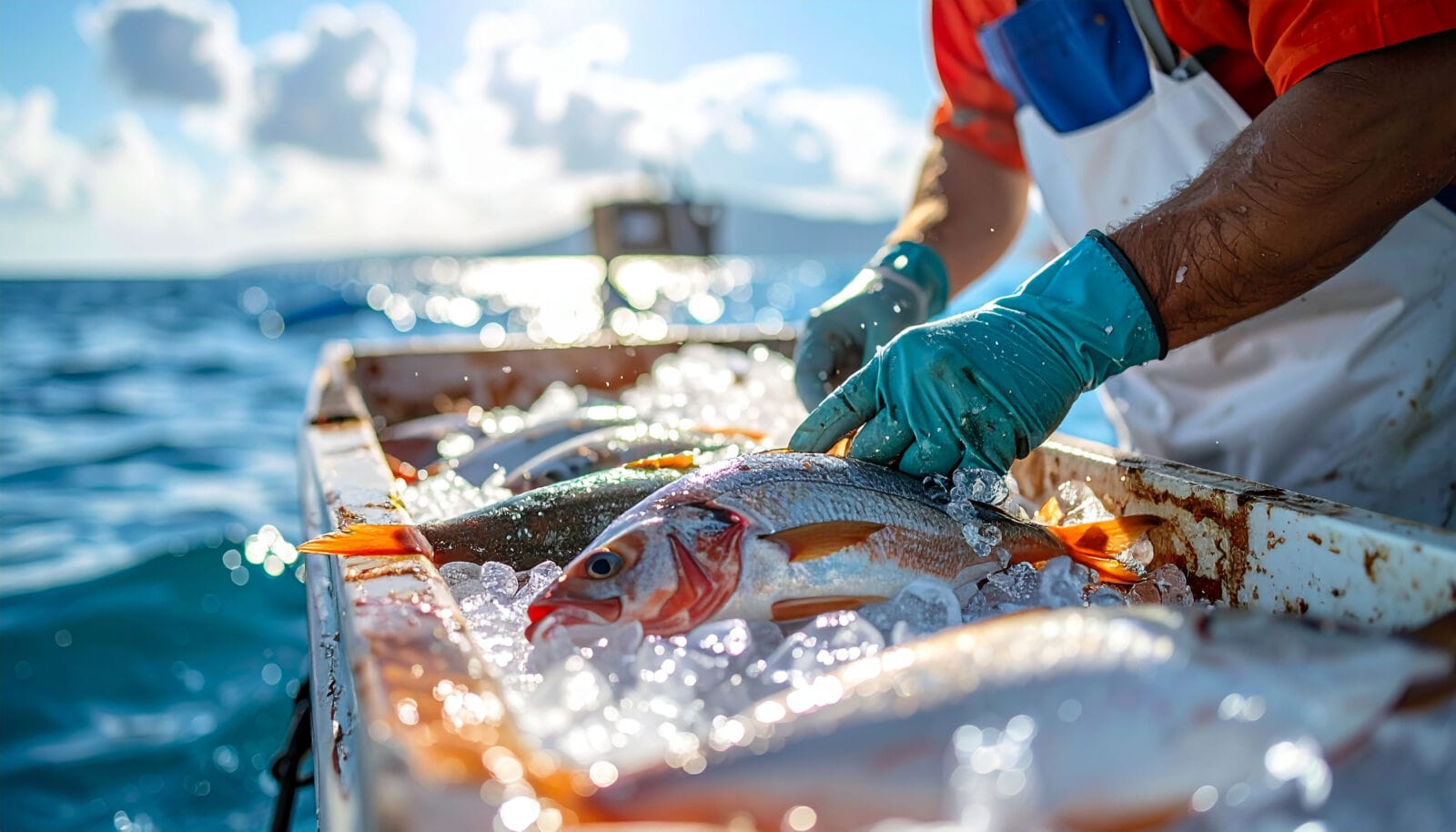
Sustainable fishing refers to harvesting fish and seafood in ways that maintain healthy populations and protect marine ecosystems over the long term. In practice, it means catching fish at levels that allow species to reproduce and replenish naturally, without damaging habitats or disrupting food webs. This approach considers not only the target species, but also bycatch, seabed impacts, and ecosystem balance. Sustainable fishing also involves respecting seasonal cycles, size limits, and gear restrictions designed to reduce harm. Importantly, it is not a single technique but a framework that adapts to local ecological and social conditions. When implemented effectively, it ensures that oceans can continue to provide food, income, and ecological services far into the future, rather than prioritizing short-term gains at the expense of long-term ocean health.
Why Sustainable Fishing Is Critical for Ocean Ecosystem Health
Healthy oceans depend on balance, and sustainable fishing plays a key role in maintaining that balance. Fish populations influence everything from coral reef stability to nutrient cycling and carbon storage. When fishing pressure exceeds natural recovery rates, ecosystems become stressed and less resilient to environmental change. Sustainable fishing helps preserve species diversity, which strengthens ecosystems against threats like warming waters and acidification. It also protects critical habitats such as reefs, mangroves, and seagrass beds that serve as nurseries for marine life. By keeping fish stocks at healthy levels, sustainable fishing supports the intricate relationships that allow ocean ecosystems to function properly. Over time, this leads to more stable marine environments that can better adapt to both natural variability and human-driven pressures.
The Impact of Overfishing and Unsustainable Practices on Marine Life
Overfishing and destructive practices have caused widespread declines in marine species worldwide. When fish are removed faster than they can reproduce, populations shrink, and in some cases collapse entirely. Unsustainable methods such as illegal fishing, excessive bycatch, and habitat-damaging gear accelerate this decline. The loss of key species can trigger cascading effects, altering predator-prey relationships and degrading ecosystems. These impacts are not limited to fish alone; seabirds, marine mammals, and coral reefs are also affected. Sustainable fishing offers a pathway away from this cycle of depletion. By setting limits grounded in science and local knowledge, it reduces pressure on vulnerable species and allows ecosystems time to recover, restoring balance and productivity to marine environments.
How Sustainable Fishing Supports Coastal Communities and Livelihoods
Millions of people around the world depend on fishing for food security, income, and cultural identity. Sustainable fishing directly supports these communities by ensuring resources remain available over time. When fisheries are well managed, fish stocks are more stable, reducing economic uncertainty for fishers and their families. This stability enables long-term planning, investment, and intergenerational knowledge transfer. Sustainable fishing also promotes fairness by reducing competition driven by scarcity and preventing resource collapse that disproportionately harms small-scale fishers. By aligning conservation with livelihoods, communities become partners in stewardship rather than adversaries of regulation. This shared responsibility strengthens local economies, improves nutrition, and reinforces the connection between healthy oceans and human well-being.
DEEPER DIVE: Read all the Ranking Arizona Top 10 lists here
INDUSTRY INSIGHTS: Want more news like this? Get our free newsletter here
The Role of Fisheries Management and Data in Sustainable Fishing
Effective fisheries management is essential for translating sustainable fishing principles into action. Management systems rely on data about fish populations, catch levels, and ecosystem conditions to set appropriate rules. This may include catch limits, seasonal closures, protected areas, and gear restrictions. Data collection does not have to be complex to be useful; even simple monitoring can reveal trends that guide better decisions. When combined with local knowledge, scientific data helps ensure rules are realistic and respected. Adaptive management allows policies to change as conditions evolve, responding to climate impacts or shifting species distributions. Without strong management and reliable data, even well-intentioned fishing practices can become unsustainable over time.
How Behavior Change and Community Leadership Advance Sustainable Fishing
Rules alone are rarely enough to achieve sustainable fishing outcomes. Lasting success depends on behavior change and strong community leadership. When fishers understand why certain practices matter and see benefits for their own livelihoods, compliance increases naturally. Community-led initiatives encourage shared responsibility, peer accountability, and local innovation. Education, trust-building, and inclusive decision-making help align individual actions with collective goals. Over time, sustainable fishing becomes a social norm rather than an external requirement. Community leadership also ensures solutions reflect local realities, traditions, and economic needs. By empowering people closest to marine resources, sustainable fishing efforts become more resilient, adaptive, and effective across generations.
Conclusion
Sustainable fishing is essential for the future of our oceans and the people who depend on them. It offers a balanced approach that protects marine ecosystems while supporting food security, livelihoods, and cultural traditions. By addressing overfishing, improving management, and promoting community leadership, sustainable fishing helps restore ocean health and resilience in a changing world. Its success depends on viewing conservation and human well-being as interconnected rather than competing priorities. When ecosystems thrive, communities benefit, and when communities are empowered, stewardship strengthens. As pressures on the ocean continue to grow, adopting and expanding sustainable fishing practices is not optional—it is a necessity for ensuring that marine resources remain abundant and accessible for generations to come.