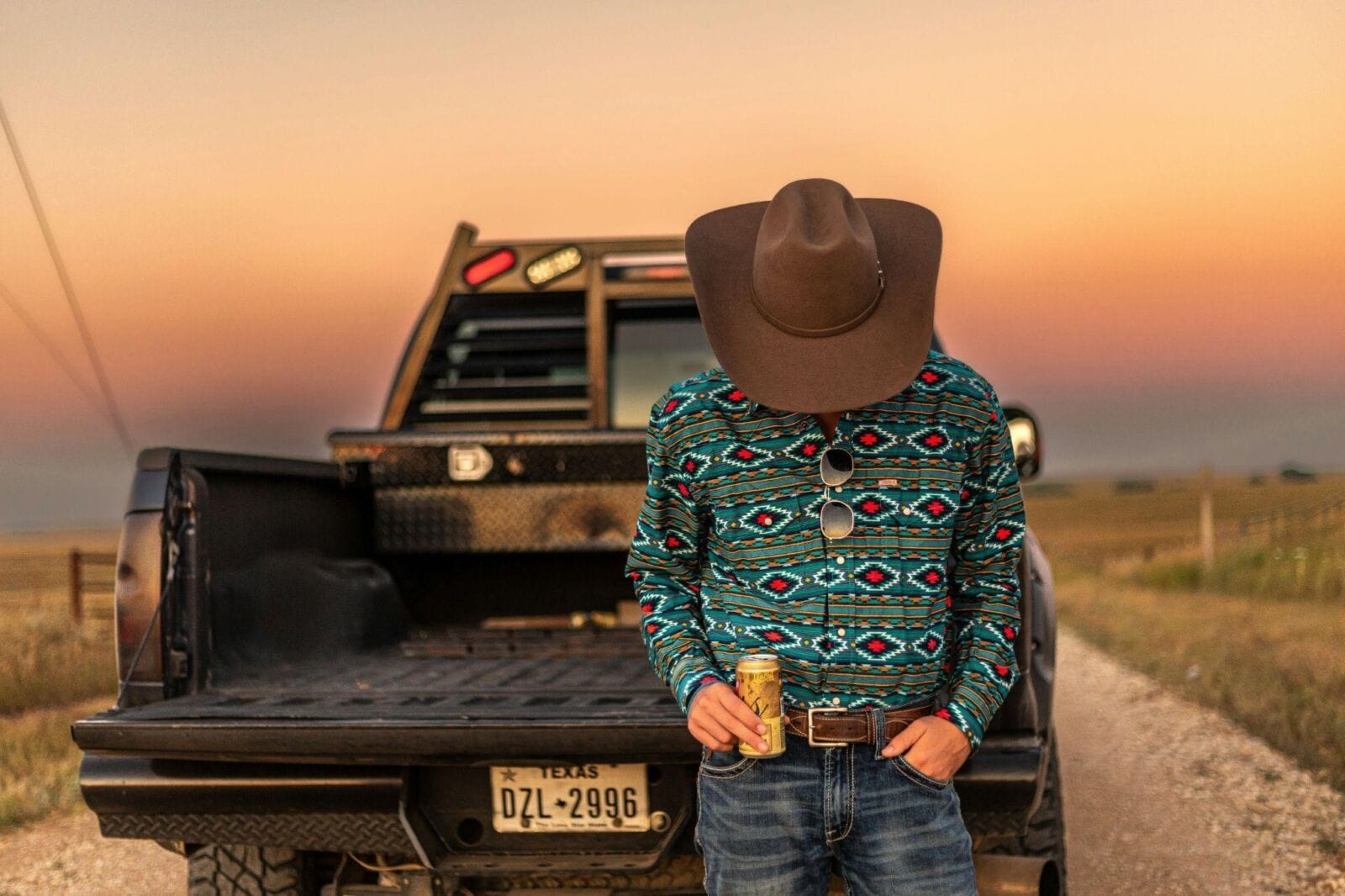
Western hats have remained culturally relevant for generations because they were never designed as temporary fashion pieces. Long before they became style statements, they were practical tools created for harsh weather, long workdays, and outdoor life. Their broad brims protected against sun and rain, while structured crowns provided durability and shape that could withstand daily use. Over time, however, the Western hat evolved into something larger than functionality alone. It became associated with independence, craftsmanship, and a sense of personal identity that few accessories manage to carry in the same way.
In 2026, Western hats continue to evolve, but the strongest brands understand that authenticity still matters. Buyers today are more selective about what they invest in, especially when it comes to accessories intended for long-term wear. Instead of looking for exaggerated novelty pieces, many consumers now prefer hats that balance traditional character with modern versatility. They want hats that feel grounded in heritage yet refined enough to fit naturally into contemporary wardrobes.
This shift has changed how brands approach design. Cleaner silhouettes, improved comfort, and more adaptable styling have become just as important as craftsmanship itself. The brands standing out today are those that preserve the defining elements of Western hatmaking while refining them for everyday wear.
1. American Hat Makers
The move toward more wearable Western styling is easy to see in collections from American Hat Makers, where classic hat shapes are refined through stronger structure, durable materials, and everyday versatility. Rather than treating Western hats as purely nostalgic pieces, the brand focuses on making them practical for regular use while still preserving the identity that gives the category its appeal.
One of the most noticeable strengths is material selection. Structured wool felt, leather, and reinforced straw give the hats a level of durability that allows them to maintain shape over time. This matters because Western hats are expected to age well rather than simply survive a single season. A stable brim and a carefully shaped crown create a silhouette that feels balanced and intentional instead of overly decorative.
The refinement of these details also makes the hats easier to integrate into modern wardrobes. Traditional Western hats can sometimes feel tied to specific styling, but these designs move more naturally between different looks. They pair comfortably with denim and boots, but they also work with lightweight jackets, simple casualwear, and even more polished outfits. That flexibility increases their practicality and makes them feel less like occasional accessories and more like dependable wardrobe pieces.
Another reason the brand stands out is comfort. A hat can look excellent in photographs yet become impractical after extended wear if the proportions or materials are poorly balanced. Breathable interiors, structured but wearable crowns, and manageable brim proportions help make these hats suitable for all-day use. That usability reinforces the idea that a good Western hat should be something people genuinely want to wear repeatedly rather than simply admire.
What ultimately separates American Hat Makers from many trend-driven alternatives is the balance between authenticity and adaptability. The hats retain the personality and structure associated with classic Western style while feeling refined enough for contemporary everyday wear. In a category increasingly crowded with short-lived fashion interpretations, that consistency continues to matter.
2. Stetson
Few names carry as much historical significance in Western hatmaking as Stetson. Founded in the 19th century, the brand became closely tied to the development of the modern cowboy hat, particularly through the original “Boss of the Plains” design that helped establish the recognizable Western silhouette still seen today.
The reason Stetson remains influential is not simply because of its history, but because of its continued focus on structure and reliability. The brand’s hats are known for durable felt construction, strong shaping, and a recognizable profile that feels authentic without needing excessive embellishment.
At the same time, Stetson has adapted to modern expectations by refining proportions and expanding its range. Some designs lean heavily into traditional Western identity, while others are cleaner and more understated, making them easier to wear casually. This range allows the brand to appeal both to long-time Western hat buyers and to newer audiences looking for heritage craftsmanship with broader styling potential.
3. Resistol
Resistol has built its reputation around durability and authentic Western construction. The brand’s hats are especially respected for their ability to hold shape over long periods of wear, which is one of the clearest indicators of quality in the category.
Its strong connection to rodeo culture and working Western environments reinforces that reputation. These are hats designed with functionality in mind, not simply aesthetics. That practical foundation gives the brand credibility that continues to resonate even as Western fashion becomes more mainstream.
At the same time, Resistol hats still carry enough refinement to transition into casual styling outside traditional Western settings. This combination of ruggedness and wearability keeps the brand relevant in both heritage and lifestyle markets.
4. Ariat
Ariat approaches Western hats with a performance-oriented mindset similar to the one that made its boots so popular. The focus is less on dramatic styling and more on producing hats that are dependable, comfortable, and suitable for regular outdoor use.
This practicality makes Ariat especially appealing to buyers who want a straightforward Western hat that feels durable without being overly formal or heavily stylized. The hats often feature clean silhouettes and balanced proportions, allowing them to work across different settings rather than feeling tied exclusively to ranch or rodeo environments.
That accessibility has helped Ariat remain relevant as more consumers look for Western-inspired pieces that fit naturally into everyday life.
5. Charlie 1 Horse
Charlie 1 Horse represents a more expressive side of Western fashion. While the hats remain rooted in traditional shapes, the brand introduces more personality through finishes, textures, and decorative details.
What makes this approach successful is that the hats still maintain structure and craftsmanship beneath the visual styling. The designs feel distinctive without crossing too far into novelty territory, which allows them to appeal to buyers who want individuality while still respecting Western tradition.
This combination of character and wearability has helped Charlie 1 Horse stand apart in a category that can sometimes feel visually repetitive.
6. Kemo Sabe
Kemo Sabe occupies a more premium, boutique-oriented segment of Western fashion, focusing heavily on customization and craftsmanship. The brand has become especially visible through celebrity interest and personalized designs, with many customers drawn to the ability to shape and detail hats according to personal preference.
This emphasis on individuality reflects a broader shift in luxury fashion, where buyers increasingly value products that feel unique rather than mass-produced. Kemo Sabe hats often feature carefully selected materials and customized accents that give each piece a more curated identity.
That attention to personalization helps reinforce the emotional connection many people have with Western hats. Unlike disposable accessories, these hats are often treated as long-term pieces with personal significance.
7. Tecovas
Tecovas has built a strong reputation by modernizing Western style through a cleaner and more accessible approach. Known primarily for footwear, the brand applies the same philosophy to hats: quality materials, straightforward design, and a balance between authenticity and simplicity.
This makes Tecovas particularly appealing for newer buyers entering the category. The hats maintain recognizable Western elements while avoiding excessive detailing or exaggerated styling that can intimidate less traditional consumers.
Because of this, Tecovas has become an effective bridge between heritage Western craftsmanship and contemporary casual fashion.
8. Brixton
Brixton blends vintage inspiration with modern fashion sensibility, creating Western-inspired hats that feel relaxed and adaptable. Softer structures, earthy color palettes, and understated detailing give the brand a more versatile aesthetic than some traditional Western labels.
This versatility is part of its appeal. Brixton hats can move comfortably between outdoor settings, city styling, and transitional seasonal wardrobes without feeling out of place. That broader usability aligns closely with current fashion preferences, where consumers increasingly favor accessories that work across multiple environments.
Rather than trying to replicate classic cowboy hats exactly, Brixton reinterprets Western influence in a way that feels approachable and contemporary.
What Still Defines a Great Western Hat
Craftsmanship remains the defining foundation of a quality Western hat. Strong felt, durable straw, and high-grade leather contribute not only to longevity but also to the hat’s ability to retain structure over years of wear. Construction techniques matter just as much, especially in how the brim is balanced and how the crown maintains its shape.
Character is equally important. Unlike many modern accessories that feel interchangeable, a Western hat develops individuality over time. Slight variations in shaping, material texture, and wear patterns give each piece a sense of personality that mass-produced fashion rarely achieves.
At the same time, comfort and versatility now play a larger role than they once did. A modern Western hat must function beyond its original context. It should feel wearable during travel, casual outings, and everyday life without appearing overly theatrical or impractical.
The brands that continue to set the standard understand this balance clearly. They preserve the craftsmanship and identity that define Western hatmaking while refining the details that make these hats practical for modern wardrobes. That combination of authenticity, durability, and adaptability is exactly why Western hats continue to remain relevant generation after generation.