For Arizona riders, choosing an affordable e-bike is not just about finding enough motor power or the longest possible range. Hot-weather commuting makes battery care, storage, comfort, tire choice, and everyday practicality more important than they might be in a milder climate.
A good commuter should fit the route, but it should also fit the realities around the ride. In Arizona, that can mean keeping a battery out of prolonged direct heat, planning rides around hotter parts of the day, and choosing a bike that remains comfortable on rough urban pavement.
For riders comparing Affordable Electric Bikes, the best value usually comes from a balanced setup rather than paying for the largest battery or most aggressive performance specifications.
Why Does Arizona Heat Change the E-Bike Buying Decision?
Extreme heat places additional demands on both riders and lithium-ion batteries.
Battery manufacturers generally advise avoiding excessive heat and prolonged direct sunlight. Bosch, for example, recommends parking an e-bike in the shade or a cool location and charging the battery at room temperature where possible. UL Solutions also identifies exposure to extreme temperatures as one of the environmental factors that needs to be considered with lithium-ion battery safety.
That means Arizona commuters should think beyond advertised riding range.
Where will the bike sit during the workday? Can the battery be removed? Is there a shaded or indoor charging location? Will the bike spend hours locked outside on exposed pavement?
Those questions can matter just as much as another few miles of theoretical range.
DEEPER DIVE: Here are Arizona’s Most Admired Companies of 2026
Is a Removable Battery More Useful in Hot Climates?
For many Arizona commuters, yes.
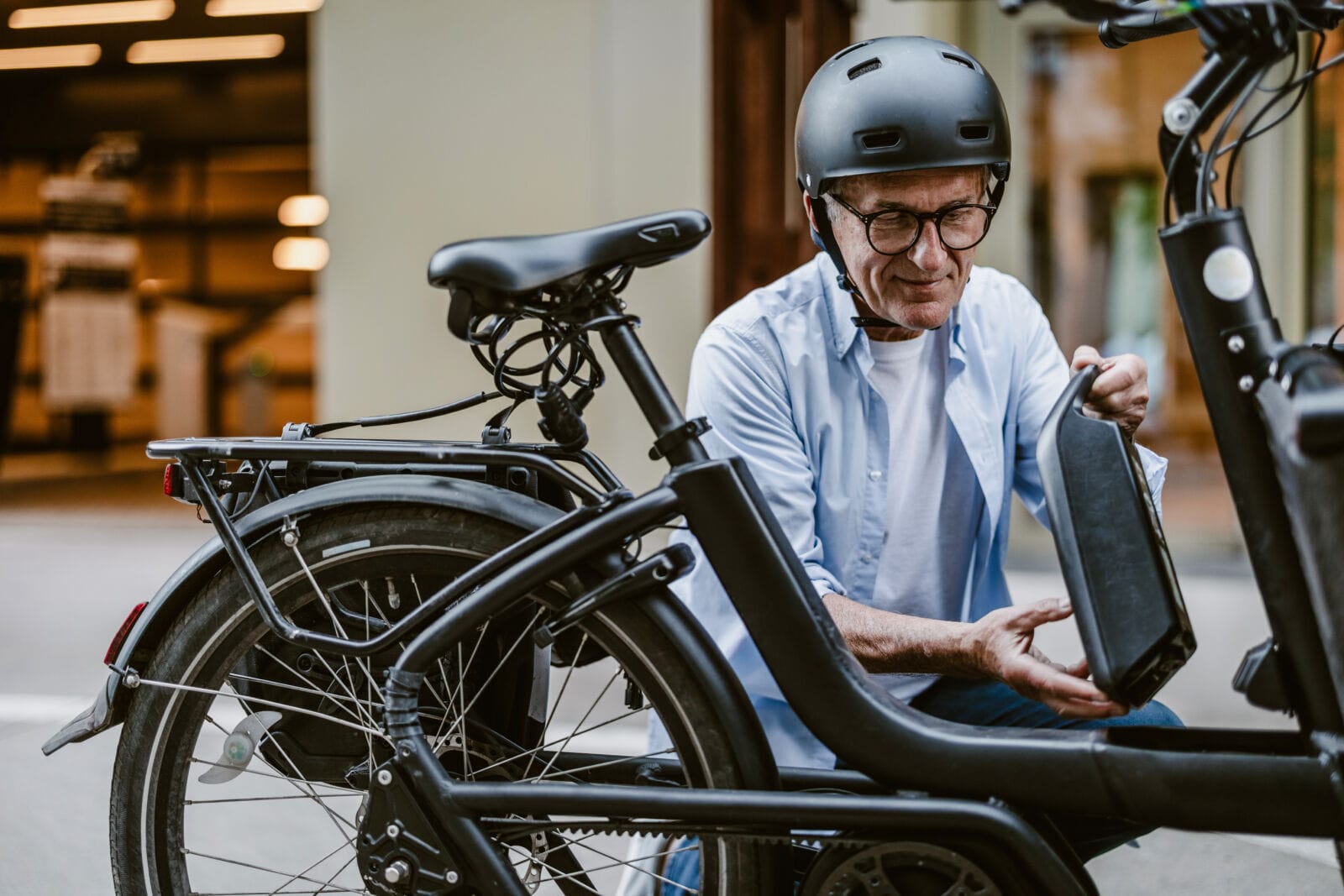
A removable battery allows the rider to leave the bike parked while taking the battery into a more moderate indoor environment. This can be especially useful for someone commuting to an office, apartment, or workplace where outdoor bike parking receives direct afternoon sun.
It also makes charging more flexible. Instead of moving an entire e-bike close to an outlet, the rider can remove the battery and charge it in an appropriate indoor location using the manufacturer-supplied charger.
That convenience becomes more valuable in hot climates because good battery care depends partly on where the battery spends the hours when the bike is not being ridden.
How Much Battery Range Does an Arizona Commuter Really Need?
Enough to cover the regular round trip with reserve.
Arizona riders do not necessarily need the biggest battery available simply because conditions can be demanding. Oversizing the battery can add cost and weight without improving a short daily commute.
Instead, calculate the normal commute first. Then consider hills, assistance level, rider weight, cargo, wind, and any extra errands that may be added during the day.
A rider traveling eight miles each way has a very different requirement from someone crossing a larger part of the Phoenix metro area.
For an electric bike for adults, practical range should reduce charging anxiety without turning battery capacity into an unnecessary expense.
Should Arizona Commuters Prioritize Fat Tires?
It depends on the route.
A fat tire electric bike can make sense when the commute includes rough pavement, cracked streets, gravel connectors, or mixed surfaces. The wider tire provides a larger contact patch and can help the bike feel more planted over uneven ground.
That comfort comes with a trade-off. Fat tires tend to add weight and rolling resistance compared with narrower city tires.
For someone riding only smooth bike paths, that may be more tire than necessary. For a commuter whose route changes between streets, rough shoulders, neighborhood roads, and occasional gravel, the added stability may be easier to justify.
Arizona riders should choose tire width based on actual road conditions rather than assuming wider is automatically better.
What Other Comfort Features Matter in Hot-Weather Commuting?
Comfort becomes especially important when the ride itself is already physically demanding because of heat.
A step-through frame can make frequent stops easier. Front suspension can help absorb rough pavement, while an upright and adjustable riding position may reduce fatigue during everyday trips.
Bike weight also matters.
A heavily equipped e-bike can feel easy while the motor is assisting, but the same bike may be cumbersome when it needs to be lifted onto a vehicle rack, moved through a garage, or pushed after the battery is removed.
An affordable commuter should therefore balance comfort with manageability rather than simply adding more equipment.
What Does an Affordable Arizona Commuter Setup Look Like?
The Puckipuppy Samoyed is one example of an affordable electric bike designed around everyday commuting rather than specialized performance.
It uses a removable 48V 15Ah lithium-ion battery with a manufacturer-listed range of 35–60 miles. The step-through frame makes mounting easier for repeated daily stops, while its 26 × 4-inch fat tires and 110mm adjustable front suspension are intended to add stability and comfort across city streets, rough pavement, gravel, and other mixed everyday surfaces.
The Samoyed uses a 750W rated motor with up to 960W peak output, supports up to 350 pounds, and weighs 75.8 pounds. It uses wire-pull disc brakes rather than hydraulic brakes, so riders comparing city models should include braking preference in the overall decision rather than looking at motor power alone.
Battery safety is particularly relevant to this topic. Puckipuppy states that the Samoyed’s battery is certified to UL 2271 and the complete e-bike to UL 2849 by SGS. Its removable-battery design also gives Arizona commuters the option of bringing the battery indoors instead of leaving it attached to a bike parked in prolonged outdoor heat.
That combination makes more sense for riders who want a full-size, mixed-surface commuter than for someone looking for a lightweight bike to carry upstairs every day.
Should You Pay More for a Larger Battery in Arizona?
Not automatically.
A larger battery can be useful for long commutes, repeated hills, or riders who cannot conveniently recharge between trips. But battery size does not solve poor storage habits or prolonged exposure to heat.
For many commuters, a moderate removable battery may provide a better balance because it offers enough daily range while remaining easier to bring indoors.
Rather than asking which e-bike has the largest battery, ask whether the battery can comfortably cover the longest regular trip with reserve.
That is a much more useful measure of value.
How Should Riders Store and Charge an E-Bike Battery in Arizona?
Follow the specific instructions provided by the e-bike manufacturer, but several general principles are useful.
Avoid leaving a lithium-ion battery in excessive heat or prolonged direct sunlight when practical. Use the charger supplied or approved for the bike, charge in a suitable dry location, and do not continue using a battery that shows swelling, leaking, unusual heat, odor, or other signs of damage. UL Solutions specifically recommends using the battery and charger supplied with the device and following the manufacturer’s charging and storage instructions.
A parked car can also become extremely hot, so riders should not assume that moving a battery from a bike into a closed vehicle automatically provides better storage.
The goal is simple: treat battery storage as part of normal e-bike ownership, not something to think about only when a problem appears.
What About the Rider in Arizona Heat?
The bike is only one part of hot-weather commuting.
Arizona’s Department of Health Services recommends planning outdoor activity around safer times, staying hydrated, and using sun protection when recreating in summer heat. Those same principles are relevant to longer bike commutes.
For some riders, shifting a commute earlier in the morning can make a bigger difference than upgrading the bike itself.
Route choice matters too. A slightly longer route with more shade, fewer prolonged stops, or better bike infrastructure may be more comfortable than the shortest possible path.
Affordable Should Mean Practical, Not Minimal
An affordable e-bike for Arizona commuting should solve the problems riders encounter repeatedly: enough range for the round trip, manageable battery charging, comfortable handling, suitable tires, and a configuration that works with local heat rather than ignoring it.
That does not require buying the most powerful motor or largest battery.
For Arizona riders, a better value comes from choosing equipment that fits both the commute and the climate.
The right hot-weather commuter is the bike that covers everyday mileage comfortably, allows sensible battery care, and provides the level of stability and comfort the rider’s actual route demands.
There’s a particular kind of ritual that us