Most homeowners take turning on the tap for granted, assuming the water that flows out is clean and safe. Yet the reality is far more complex. Tap water travels through miles of infrastructure, picks up minerals and chemicals along the way, and often undergoes treatment before reaching your sink. While municipal systems are designed to meet safety standards, many homeowners are surprised to learn that what comes out of the faucet may contain contaminants, excessive minerals, or residual chemicals that impact health, comfort, and home maintenance.
Understanding what’s in your tap water is the first step toward making informed decisions about treatment options and household water quality. Whether your goal is better-tasting drinking water, protecting appliances, or safeguarding your family’s health, knowing the basics can make a big difference.
LOCAL NEWS: 100 best places to work and live in Arizona for 2025
INDUSTRY INSIGHTS: Want more news like this? Get our free newsletter here
Common Contaminants Found in Tap Water
Water quality varies by region, but there are several common contaminants that can appear in tap water. Chlorine and chloramine, for example, are often used in municipal systems to disinfect water, but their presence can affect taste and odor. Lead remains a concern in older homes with aging pipes, where corrosion may leach the metal into the water supply.
Other potential contaminants include pesticides, nitrates from agricultural runoff, and heavy metals like arsenic or mercury in certain areas. Even if these substances appear in small amounts, long-term exposure may raise health risks. Homeowners should be aware that while federal and state standards regulate maximum contaminant levels, those limits don’t always align with what scientists consider safe for vulnerable populations such as children or pregnant women.
Hard Water and Mineral Content
The mineral content of your water plays a significant role in everyday household experiences. Calcium and magnesium are the primary culprits in what is commonly known as hard water. While not typically dangerous to human health, hard water can leave behind chalky deposits on faucets, reduce soap effectiveness, and shorten the lifespan of appliances like dishwashers and water heaters. Learning more about mineral content often begins with identifying hard water in your home, which may involve noticing signs like cloudy glassware, stiff laundry, or reduced water pressure caused by limescale buildup in pipes. Water tests, either through home kits or professional services, can confirm the hardness level and help determine whether a water softener or other treatment solution is necessary. Understanding the balance of minerals in your water is key to protecting both your home infrastructure and your comfort.
The Role of Water Treatment Facilities
Municipal water treatment facilities are the first line of defense against unsafe drinking water. These plants typically filter and disinfect water using a combination of sediment removal, chemical treatments, and filtration systems. While these processes are effective at eliminating many harmful contaminants, they are not foolproof.
For example, disinfectants like chlorine ensure pathogens are killed, but they can react with organic matter in the water to form disinfection byproducts (DBPs), some of which have been linked to health concerns over long-term exposure. While treatment plants may remove large quantities of sediment or metals, trace amounts can still pass through. Homeowners should remember that treatment facilities must balance public health, cost, and regulatory requirements, which means the water leaving the plant may still require further filtration at home.
Regional Differences in Tap Water Quality
The quality of tap water varies significantly depending on location. Rural areas may face challenges from agricultural runoff, introducing nitrates or pesticides into groundwater supplies. Urban regions often struggle with aging infrastructure, increasing the risk of lead contamination or water main breaks that expose systems to bacteria. Coastal areas may deal with saltwater intrusion into freshwater aquifers, while industrial hubs could face higher levels of heavy metals.
These regional differences highlight the importance of testing your water rather than relying on assumptions. Even within the same city, two neighborhoods may experience very different water quality depending on infrastructure and local sources.
Health Implications of Tap Water Quality
The health effects of contaminants in tap water range from mild inconveniences to serious risks. High chlorine levels can dry out skin and hair, while lead exposure, even at low levels, is associated with developmental issues in children. Long-term consumption of nitrates has been linked to health complications, and excessive mineral intake may contribute to kidney problems in sensitive individuals.
For households with infants, elderly residents, or those with weakened immune systems, vigilance about water quality becomes even more important. Installing appropriate filtration systems or opting for bottled water during times of contamination advisories can reduce risks significantly.
Home Testing and Monitoring Options
Homeowners have multiple options to test water quality. DIY test kits are widely available and can provide a basic overview of hardness, chlorine, pH, and certain contaminants. For a more detailed analysis, professional laboratory testing is recommended, as it can detect trace levels of harmful substances such as lead, arsenic, or volatile organic compounds (VOCs).
Regular testing is particularly important if your home relies on a private well, since municipal oversight does not apply. Wells can be more susceptible to local pollution sources, and water composition may change. Even for those on city water, periodic testing ensures you’re aware of any changes in quality caused by infrastructure issues or environmental factors.
Solutions for Improving Tap Water
There are multiple solutions for homeowners concerned about water quality. Carbon filters are effective at removing chlorine and improving taste, while reverse osmosis systems can eliminate a broad range of contaminants, including heavy metals and nitrates. Water softeners are specifically designed to address hardness by reducing calcium and magnesium content.
Point-of-use systems, such as under-sink filters, provide clean drinking water in specific locations, while whole-house systems ensure that every tap in the home delivers treated water. The right choice depends on test results, budget, and personal preferences.
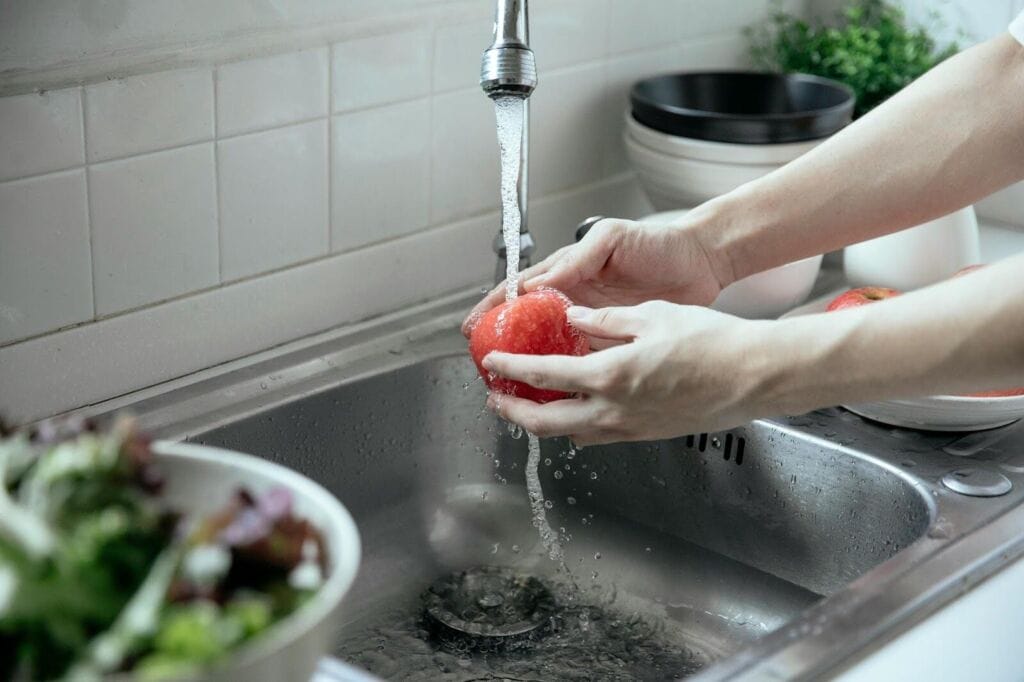
Your tap water may look clear, but appearances can be deceiving. From chlorine and lead to excess minerals and agricultural runoff, what flows into your home is shaped by treatment facilities, infrastructure, and local environmental factors. Understanding what’s in your water empowers you to make better decisions about health, comfort, and home maintenance.
By testing water quality, recognizing signs of hard water, and investing in appropriate filtration or softening solutions, homeowners can take control of their household water supply. Clean, safe water is not just a convenience, it’s an important part of a healthy home and a long-term investment in your family’s well-being.