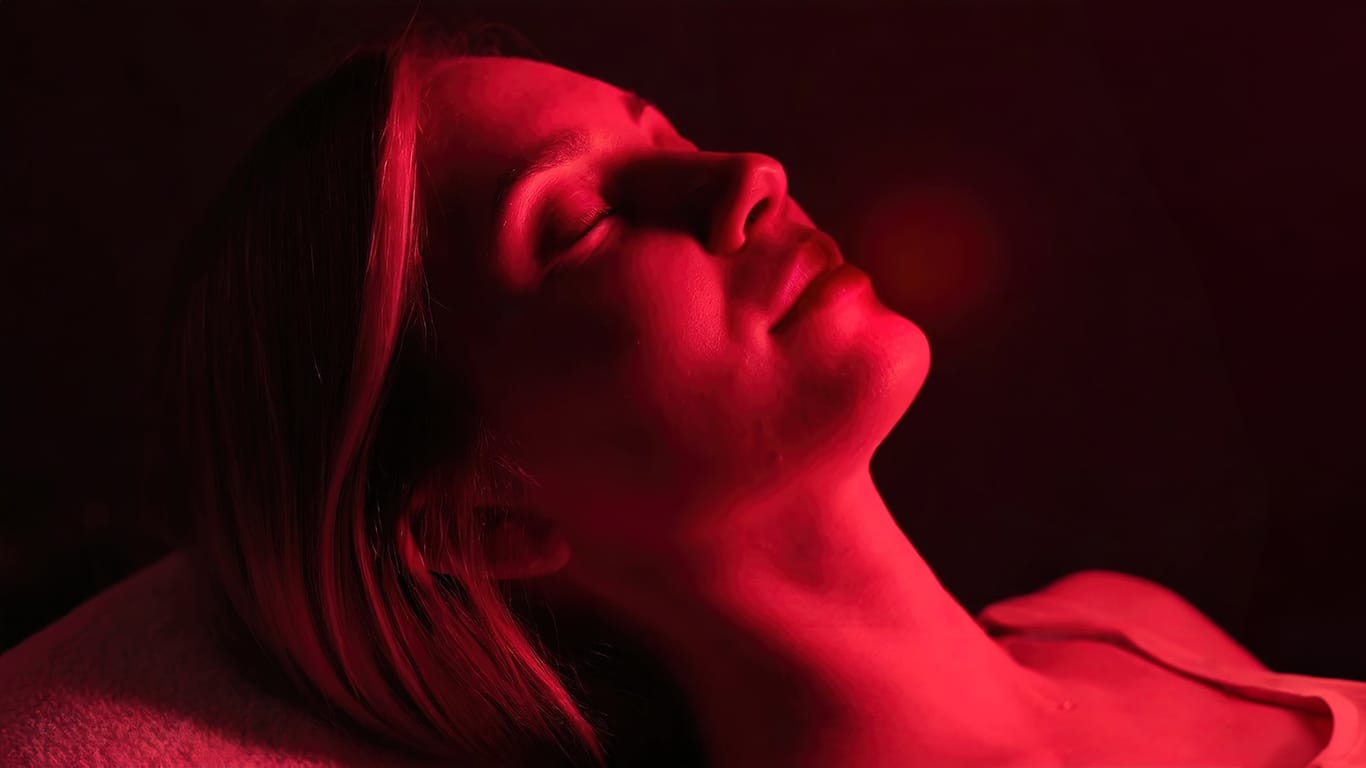
Consistency matters because red light therapy is generally not a one-time approach. Its effects are linked to repeated exposure over time, allowing the body to respond gradually. Following a regular schedule helps maintain this routine and reduces long gaps between sessions. With at-home use, consistency also makes it easier to build red light therapy into everyday life and observe changes over time. The key is choosing a realistic routine that fits naturally into your schedule.
Why Do People Struggle to Stay Consistent With At-Home Wellness Technology?
Starting a new at-home wellness routine can be exciting, but keeping it going is often where the real challenge begins. Time-consuming routines, complicated steps, technical issues, unclear instructions, or difficulty fitting sessions into everyday life can make it harder to stay on track. Daily responsibilities can also get in the way. Work, family, and other priorities can take over, and without a set appointment or external reminder, it can be easy to forget a session or put it off until later. Over time, these small interruptions can break the rhythm of a routine. Staying motivated can become even harder when results take time to appear. When changes happen gradually, it may not always be obvious that the routine is making a difference. This can make it harder to see a reason to keep going, even when consistency is important for routines designed to work over time.
What Makes a Red Light Therapy Device Easy to Use at Home?
Using red light therapy at home does not have to feel complicated. A well-designed device can make the experience simple, comfortable, and easy to fit into everyday life. A few practical features can make a noticeable difference in how convenient it feels to use.
· Portability: a lightweight, compact device is easier to carry, store, and use in different places around the home. It can be moved from one room to another without much effort, making it easier to fit a session into your daily routine.
· Clear instructions: simple, easy-to-follow instructions explain how to set up and use the device, making the process less confusing and helping people of different levels of experience feel comfortable using it at home.
· Comfortable design: devices come in different designs to suit different areas of the body, making them easier to position and more comfortable to use during a session.
· Adjustable fit: devices with adjustable straps, flexible panels, or customizable positioning can make it easier to place the light comfortably over the intended area and adapt the device to different users.
Why Usability Matters for a Consistent Red Light Therapy Routine
How easily and comfortably a device can be used in everyday life can make a difference in maintaining a regular routine. For red light therapy, this includes how easy it is to set up the device, understand the instructions, position it, and use it during a session. When these steps feel manageable, fitting sessions into the day can become easier. In contrast, a device that takes too much time or effort may be harder to keep using regularly. Making the overall experience convenient and manageable can help red light therapy fit more naturally into everyday life.
How Device Setup, Positioning, and Coverage Affect Everyday Use
The way a light therapy device is set up and used can make a difference in how smoothly it fits into your day. A device that is easy to place and stays where it needs to be can save you from constant adjustments during a session. The amount of area covered by the light matters too. If you are using a smaller device over a larger area, you may need to move it several times to reach the areas you want to use it on. A device that suits the area you are using it for can make sessions feel less interrupted and easier to work into your usual routine.
Why Panel Size and Shape Both Matter in Red Light Therapy
When red light therapy is used on larger areas, a larger panel can naturally provide broader coverage and reduce the need for repeated repositioning. However, size is not the only factor that matters. The shape of the target area, along with the distance and angle of the light, can also affect how easily the panel stays properly positioned.
For broad, relatively flat areas, a larger panel may be practical. For more targeted areas with natural curves, such as the shoulders, waist, arms, or legs, a more compact design that follows the body’s contours may be easier to position and use consistently. In these cases, choosing a panel that matches the shape of the intended area can make sessions simpler and more practical for everyday use.
How a Curved Red Light Therapy Panel May Make Positioning More Practical
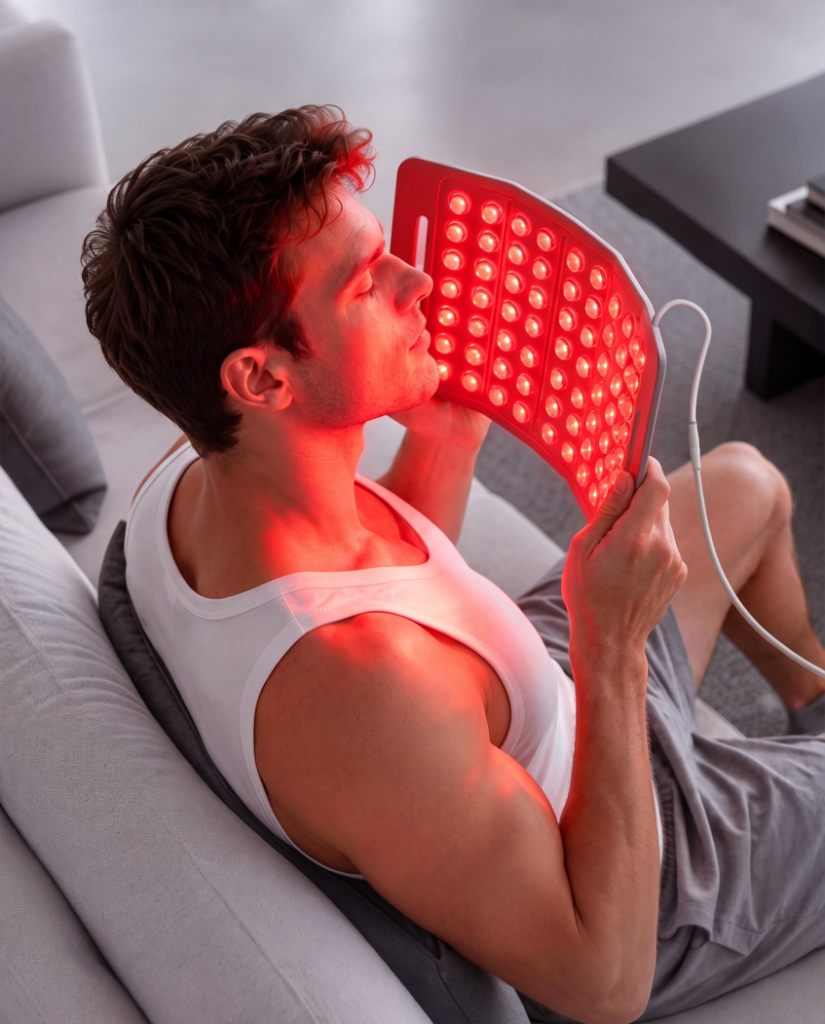
A curved red light panel may make positioning easier by following the natural contours of the body. Instead of trying to keep a flat panel aligned with areas that naturally curve, such as the shoulders, back, or sides, the curved shape can sit more naturally around the body. This can make it easier to keep the intended area within the panel’s coverage without frequent adjustments.
Positioning also matters for light delivery. The distance and angle between the panel and skin can influence how much light reaches the surface. By fitting more naturally around the body, a curved panel may help maintain a more consistent position during a session, making larger or uneven areas easier to cover comfortably.
How to Build a Red Light Therapy Routine That Fits Into Everyday Life
Building a red light therapy routine is about finding a rhythm that works naturally with everyday life. A routine can feel easier to maintain when it fits comfortably around existing habits rather than requiring major changes to the day. It should also leave enough room for flexibility when schedules change, without making an occasional missed session feel like a setback. The most useful approach is to create a routine that is simple, realistic, and comfortable enough to maintain alongside normal daily activities. This makes consistency easier without adding unnecessary complexity. Over time, what starts as a new habit can become a familiar part of an everyday wellness routine.