AZRE magazine will host the annual AZRE Forum on April 16 at The Camby Hotel Phoenix Biltmore for a lively discussion with Arizona’s top minds — including Bill Jabjiniak of EdgeCore — about the critical infrastructure issues facing the state. To get tickets or to learn more, click here.
“Our panels of experts represent some of the brightest minds in the industry whose insights will leave you better informed about the most pressing issues in commercial real estate today,” says Amy Lindsey, vice president and publisher of AZ Big Media, which produces AZRE magazine.
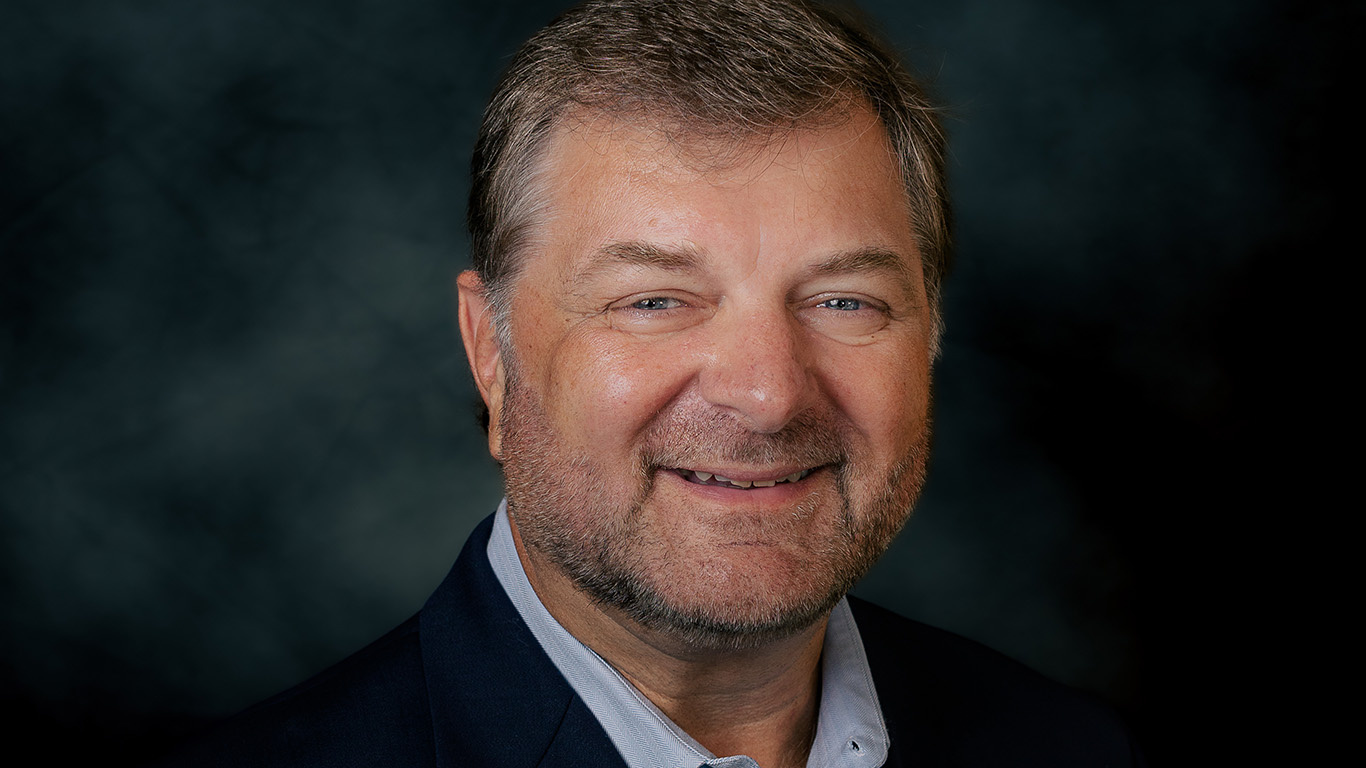
Leading up to the 2026 AZRE Forum, we will profile of each of the speakers. Today, meet moderator Bill Jabjiniak, senior vice president, national community and government relations for EdgeCore.
LEARN MORE: Anita Verma-Lallian: From big deals to film reels
AZRE FORUM: Here’s how to get tickets to the AZRE Forum
Bill Jabjiniak
Senior vice president, national community and government relations, EdgeCore
Background: Jabjiniak leads community and government relations programs nationwide for both existing EdgeCore data center markets and prospective new markets with the goal of collaboratively supporting the key issues held by various communities and local governments where EdgeCore does business. The 30 years of results-driven vision and leadership in economic development, revitalization and public-private partnership that Jabjiniak brings to EdgeCore come from his time spent working for municipalities in Arizona, Virginia and New Hampshire.
Importance of AZRE Forum: “Events like the AZRE Forum matter because they do something the real estate industry cannot do well in isolation: align people, capital, policy and long-term vision in real time, especially in a fast-growing, constraint-driven market like Arizona. That is why convenings like the AZRE Forum matter. They are not just networking events — they have become essential infrastructure for an industry navigating growth alongside real constraints.
“For decades, Arizona’s real estate success was driven by speed and scale; population growth, job creation and relatively low costs created a powerful tailwind. In 2026, that environment has evolved — growth continues, but it is no longer frictionless. Water availability, power capacity, infrastructure timing, workforce housing and a more selective capital market now shape what can be built, where and how fast. In this context, commercial real estate is no longer a series of isolated transactions — it is an ecosystem. Development outcomes depend on coordination among private capital, public policy, utilities, planners and community leaders.
“Finally, these forums help the industry look beyond the next deal to the next decade. Arizona’s future competitiveness depends not just on growth, but on intentional, coordinated growth. Coming together is no longer optional; it is how the state’s real estate industry continues to move forward — responsibly and successfully.”
Trend to watch: “In 2026, Arizona’s commercial real estate market is entering a more disciplined and strategic phase. After a decade of rapid growth, the dominant trend today is a pivot toward industrial intensification and infill-driven mixed-use development.
“The industrial sector remains the backbone. Advanced manufacturing continues to anchor large-scale investment, but what’s changing is where and how these projects are built. Rather than pushing ever outward, developers and municipalities are prioritizing infrastructure-ready sites near existing freeways and utilities. Speed now matters more than acreage alone, and jurisdictions that can entitle land, deliver power and align workforce housing are winning deals.
“At the same time, infill is no longer a niche strategy — it’s a necessity. As costs rise, cities are encouraging redevelopment of underutilized commercial corridors, aging office parks and dead retail. The result is a new generation of mixed-use projects that blend light industrial, flex office, retail and multifamily. These projects aren’t just about density; they’re about resilience — creating places that can adapt as tenants’ needs evolve.
“Office and retail — long declared ‘challenged’ — are quietly stabilizing. High-quality, well-located assets are attracting tenants, while obsolete inventory is being repositioned. The market is no longer rewarding square footage — it’s rewarding relevance.
“The broader implication is clear: Arizona’s competitive advantage in 2026 isn’t cheap land or fast growth alone. It’s the ability to align economic development, land use, infrastructure and housing into a coherent strategy. Communities that think holistically and act decisively will define the next decade in the desert.”
2026 AZRE Forum
AZRE magazine will host the annual AZRE Forum on April 16 in the early afternoon at The Camby Hotel Phoenix Biltmore. Here are the speakers:
Keynote speaker
Anita Verma-Lallian, CEO and founder, Arizona Land Consulting
Energy panel
Bill Jabjiniak, (moderator), senior vice president, national community and government relations, EdgeCore
Court Rich, co-founder, Rose Law Group
David Bean, vice president of sales and leasing, Commercial Properties, Inc.
Mark Bauer, vice chairman, JLL
Sam Jones, vice president, Phoenix region, Colliers
Suzanne Fallender, vice president of global impact and sustainability, Prologis
Water panel
Michelle De Blasi, (moderator) founder and senior counsel, Law Office of Michelle De Blasi; executive director, Arizona Energy Consortium
Brad Tackett, vice president and business development manager, Sundt Construction
Joe Kramer, CEO, Parjana Engineering
Lucas Shaw, director of water rights and strategy, SRP
Rocky Anderson, founder and president, ADC Water
Shawn Bradford, senior vice president, regulated U.S. water, EPCOR
Come back to this website every day leading up to the AZRE Forum to read profiles of each of the speakers being featured.