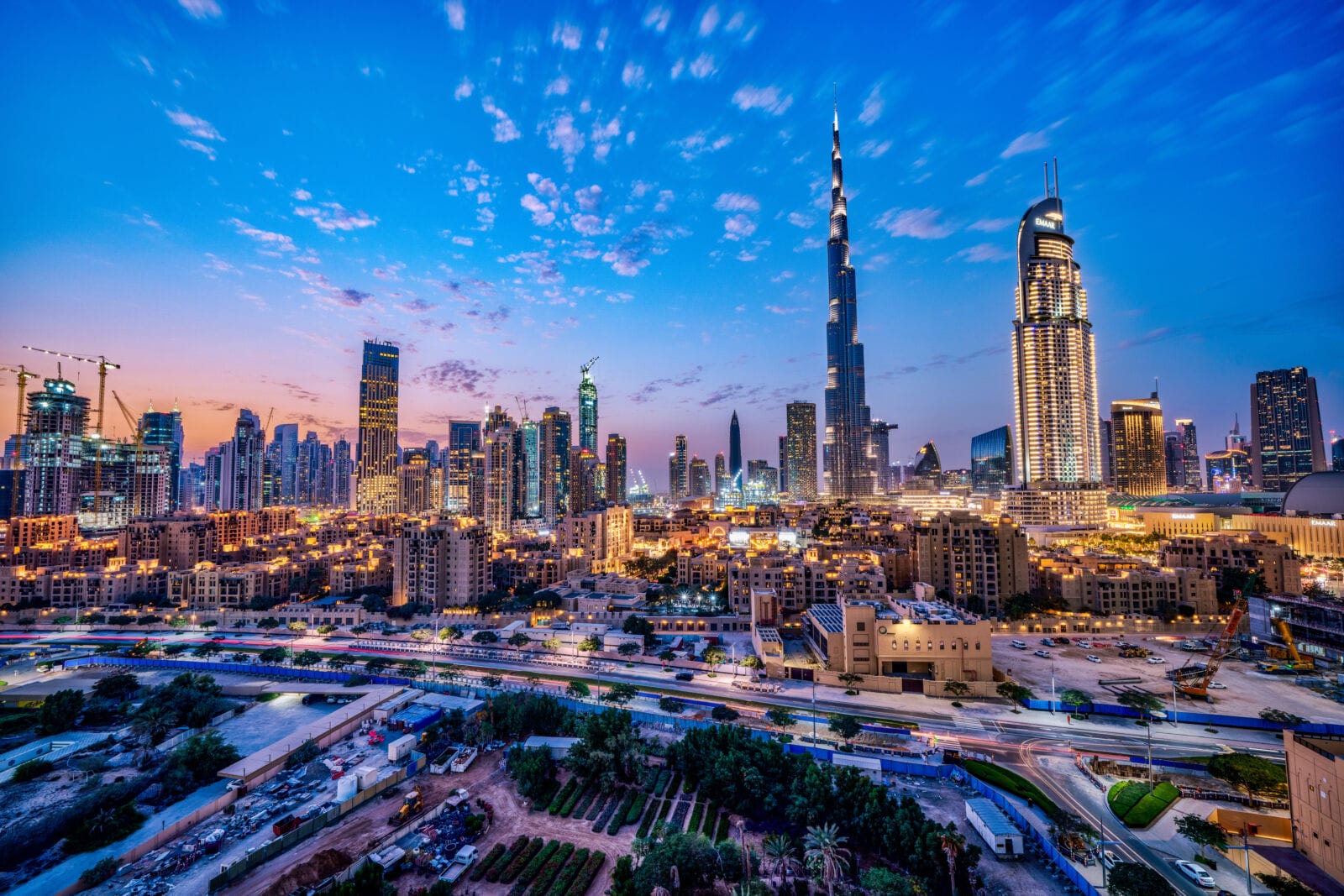
Dubai’s real estate appeal goes far beyond its record-breaking skyscrapers and luxury waterfront developments. The city has created an investment environment where international business activity, modern infrastructure, foreign ownership opportunities, and residential demand intersect.
Unlike destinations that depend primarily on tourism or seasonal buyers, Dubai attracts professionals, entrepreneurs, and families who need homes throughout the year. Its diverse economy and international connectivity provide important foundations for residential property demand.
For investors, the opportunity lies in understanding how these advantages translate into rental income, long-term property value, and ownership flexibility. The smartest purchases are supported by economic fundamentals rather than impressive marketing campaigns.
Invest Where International Demand Meets Everyday Housing Needs
Dubai’s international population is one of its strongest residential investment advantages. Professionals relocating for employment, entrepreneurs establishing businesses, and families seeking modern communities all contribute to housing demand.
This creates opportunities across different apartment categories. Studios and smaller units may appeal to individual professionals, while larger apartments can attract couples and families planning longer stays.
When evaluating an apartment for sale in Dubai, investors should consider how the property fits the needs of these potential residents. Proximity to employment centers, functional layouts, transportation links, and nearby amenities can influence both occupancy and rental appeal.
The city’s established developers offer apartments across urban districts, waterfront locations, and planned residential communities, giving buyers flexibility when selecting an investment.
Rather than pursuing luxury for its own sake, focus on properties that combine desirable locations with practical features tenants consistently need.
Benefit From an Economy Built Around Global Business
Dubai’s economy provides a compelling reason to consider residential real estate beyond short-term market trends.
The city serves as a regional headquarters for multinational companies and supports industries including finance, technology, logistics, tourism, and professional services.
These sectors create employment opportunities that attract international workers and support demand for rental accommodation.
Dubai’s international airports, commercial districts, and business-friendly infrastructure also make it attractive to companies expanding across the Middle East and beyond.
For investors, this economic diversity is important because housing demand is supported by several industries rather than a single employment sector.
However, the benefits vary by location. Apartments near major business districts or convenient transport connections may appeal to professionals seeking shorter commutes.
Studying local employment patterns and residential supply helps investors identify neighborhoods where economic activity supports genuine housing needs.
Take Advantage of an Accessible Ownership Environment
Dubai has established a property ownership framework that allows foreign nationals to purchase freehold real estate in designated areas.
This accessibility distinguishes the city from markets where overseas buyers face more restrictive ownership arrangements.
International investors can explore apartments for personal use, long-term rental income, or potential future resale, subject to applicable regulations.
Dubai’s tax environment adds another advantage. Individuals generally do not pay personal income tax in the UAE, and the emirate does not impose a conventional annual property tax comparable to those in many international markets.
However, ownership still involves registration charges, service fees, maintenance expenses, and other transaction costs.
Investors residing abroad may also face tax obligations in their home countries.
The advantage is not that property ownership involves no expenses. It is that Dubai offers a relatively accessible framework that investors can evaluate alongside their broader financial objectives.
Turn Residential Demand Into Potential Rental Income
Rental income is a central part of Dubai’s investment appeal.
The city’s international workforce includes residents who prefer renting because of employment arrangements, lifestyle flexibility, or uncertainty about how long they will remain.
This creates opportunities for apartment owners targeting different tenant groups.
Well-connected urban properties may appeal to working professionals, while apartments in established residential communities can attract households seeking longer-term accommodation.
However, rental returns depend on the relationship between purchase price, achievable rent, occupancy, and operating expenses.
Service charges, maintenance, property management fees, and vacancies can significantly affect net income.
Investors should compare comparable rental transactions where available rather than relying exclusively on advertised yields.
A carefully selected apartment with consistent tenant interest may provide more dependable income than an expensive property whose returns depend on optimistic rental assumptions.
Recognize How Infrastructure Supports Property Appeal
Dubai’s infrastructure is another important part of its long-term investment case.
The city’s road networks, metro system, international airports, commercial centers, and healthcare facilities contribute to its appeal as a place to live and work.
For residents, accessibility affects daily convenience. For investors, it can influence tenant demand and the competitiveness of a property.
Apartments near established transportation routes and essential services may remain attractive because they simplify everyday routines.
Emerging neighborhoods can also offer opportunities as infrastructure develops and communities become more established.
However, investors should distinguish between completed facilities and projects that remain under construction or in planning.
Future improvements may enhance a neighborhood’s appeal, but delays and changing market conditions can affect investment outcomes.
Properties supported by existing infrastructure provide a clearer basis for evaluating current rental demand.
Explore Communities That Offer More Than Accommodation
Dubai’s residential market has increasingly emphasized integrated communities rather than standalone apartment buildings.
Many developments incorporate fitness facilities, swimming pools, landscaped areas, retail outlets, and recreational spaces.
These features can strengthen a property’s appeal by providing convenience and lifestyle benefits within the surrounding neighborhood.
Families may value nearby schools and outdoor spaces, while professionals might prioritize fitness facilities, restaurants, and easy transportation.
The diversity of Dubai’s residential developments allows investors to target specific tenant preferences.
However, extensive amenities can increase ongoing service charges, particularly in luxury buildings.
Investors should assess whether the facilities genuinely support rental demand and whether maintenance standards justify their cost.
A well-managed community with practical amenities may retain tenant interest more effectively than a visually impressive development that becomes expensive to maintain.
Compare Ready Apartments With Off-Plan Investments
Dubai offers opportunities in both completed residential buildings and developments purchased before construction finishes.
Ready apartments allow investors to inspect the property, evaluate building management, and examine existing rental conditions.
They may also provide opportunities to begin generating rental income relatively soon after purchase.
Off-plan properties can offer access to newly designed developments and staged payment arrangements.
However, their performance depends on construction progress, contractual terms, future market conditions, and the developer’s ability to deliver.
Investors should verify relevant registrations, review payment schedules, and understand the consequences of potential delays.
Neither approach guarantees superior returns.
Ready properties may suit investors prioritizing immediate rental potential, while off-plan developments may appeal to buyers comfortable with longer investment timelines.
The decision should reflect financial flexibility, risk tolerance, and realistic expectations about completion and resale.
Build a Long-Term Strategy Around Dubai’s Strengths
Dubai’s strongest investment argument comes from the combination of international accessibility, diverse economic activity, modern infrastructure, and varied residential demand.
These advantages create a foundation for property investment, but they do not eliminate market cycles or guarantee appreciation.
A disciplined investor should evaluate purchase prices, rental competition, operating expenses, and the potential impact of additional housing supply.
It is also important to consider liquidity, financing costs, and how quickly a property could realistically be sold if circumstances change.
Set clear objectives before choosing a development. An apartment intended for regular rental income may require different characteristics from one purchased primarily for long-term capital appreciation.
Dubai offers meaningful opportunities for investors who understand its economic strengths and residential market.
Ultimately, the smartest investment is not simply an apartment in a famous location. It is a property purchased at a defensible price, supported by genuine demand, and capable of meeting realistic financial expectations over time.