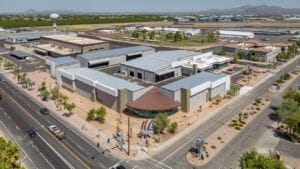
Building on vacant land within established neighbourhoods can be challenging when there is little room for construction equipment. In Arizona, contractors must work around existing buildings, roads, fences, and underground utilities while making the best use of available space. Boleo offers equipment options that contractors can consider when choosing machinery for projects with different site conditions and space requirements.
Why Equipment Access Matters on Infill Sites
Infill projects are different from large, open construction sites. There may be very little room to maneuver machinery once construction begins. Existing walls, landscaping, utility features, parked vehicles, and neighboring properties can all affect how equipment enters and moves around the site.
Before bringing machinery to the property, contractors should consider the entire access route. The question is not only whether a machine can fit through the entrance. There must also be enough room to operate it safely and move it around the work area.
Arizona’s climate adds another consideration. Dust, dry ground conditions, and high temperatures can affect the working environment. These factors should be included in the overall site and equipment plan.
Start With a Detailed Site Assessment
Equipment planning should begin before construction starts. A basic site assessment can reveal restrictions that might otherwise cause delays.
Measure the entrance and identify narrow sections along the planned equipment route. Check overhead clearance as well as ground-level width. Then consider where machinery, construction materials, removed soil, and other supplies will be placed during different stages of the project.
It is also important to identify areas that need to remain accessible. On a residential or commercial infill project, contractors may need to maintain access for neighboring properties, deliveries, workers, or emergency services.
A simple site plan can help answer several important questions:
- Where will equipment enter and exit?
- Where can machinery operate safely?
- Where will excavated material be placed?
- How will deliveries reach the site?
- Which areas must remain clear?
Answering these questions early can reduce unnecessary equipment movement later.
Choosing Compact Equipment for Tight Spaces
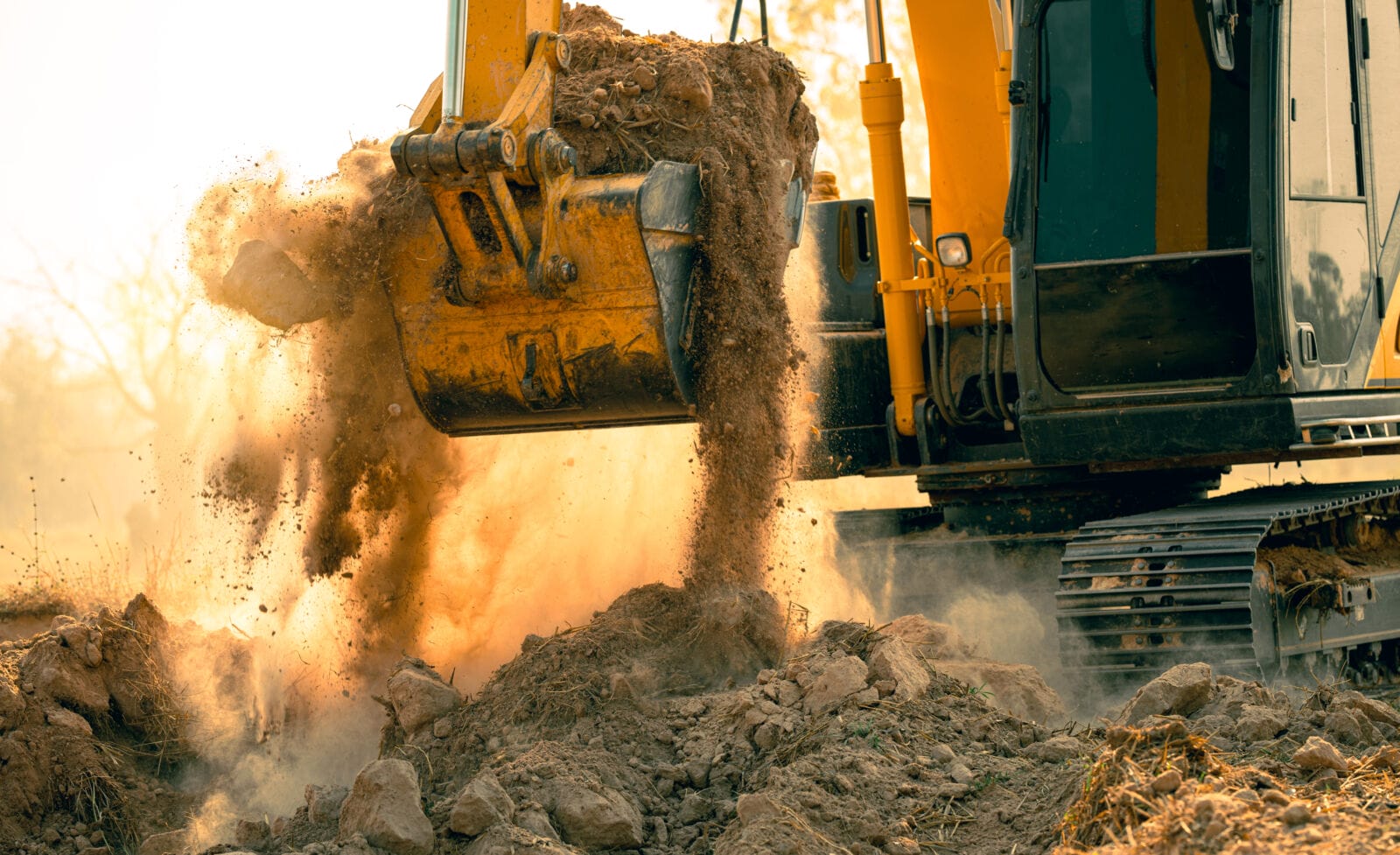
Excavation is often one of the first stages where access limitations become noticeable. Large machinery may not be practical on a constrained residential or commercial lot, especially when the work area is close to existing structures.
A mini excavator may be worth considering when excavation work is required but available space is restricted. The key is to match the equipment to the actual site rather than choosing machinery based only on the overall size of the project.
Contractors should compare equipment dimensions with the site’s entrances and operating areas. They should also consider the type of excavation required, available working space, ground conditions, and transportation arrangements.
Compact equipment still requires proper planning. Even smaller machinery needs a suitable access route, adequate clearance, and a stable area for operation.
Boleo: Equipment Options for Construction Projects
Boleo manufactures compact construction equipment, including mini excavators and mini skid steer loaders. For Arizona infill projects, contractors can consider these machine types when evaluating equipment options for sites with limited space and restricted access.
When evaluating equipment from any supplier, contractors should focus on the requirements of the specific project. Important considerations include machine dimensions, the intended application, site access, transportation, and the type of work planned. Reviewing these factors before making an equipment decision can help create a more practical construction plan.
Coordinate Equipment With the Construction Schedule
Equipment access should also be planned around the order of construction activities. An entrance that is available at the beginning of a project may become restricted after foundations, walls, utilities, or other improvements are installed.
For example, excavation equipment may need to reach certain parts of the property before permanent structures make access more difficult. Planning these activities in sequence can prevent situations where machinery has to pass through partially completed areas.
Contractors should therefore think beyond the immediate task. Consider what equipment will be needed next, where it will be positioned, and whether the site will still provide sufficient access at that stage.
Plan Transportation and Equipment Removal
Getting equipment onto an infill site is only part of the process. Contractors also need to plan how machinery will be transported away when the work is finished.
Transportation arrangements should account for the available street space, site entrance, loading area, and project restrictions. If equipment arrives before the site is ready, it can take up valuable space and interfere with other construction activities.
Scheduling equipment deliveries around actual project needs can help keep the work area organized. This is especially important on smaller sites where every available area may have a specific purpose.
Final Thoughts
Arizona infill construction often requires more careful equipment planning than projects on open parcels. Limited access, neighboring properties, existing structures, and changing site conditions can all influence which machinery is practical.
The best approach is to assess the site early, measure access points, coordinate equipment with the construction schedule, and select machinery based on the actual working environment. With thoughtful planning, contractors can make better use of limited space and keep the project moving from excavation through completion.