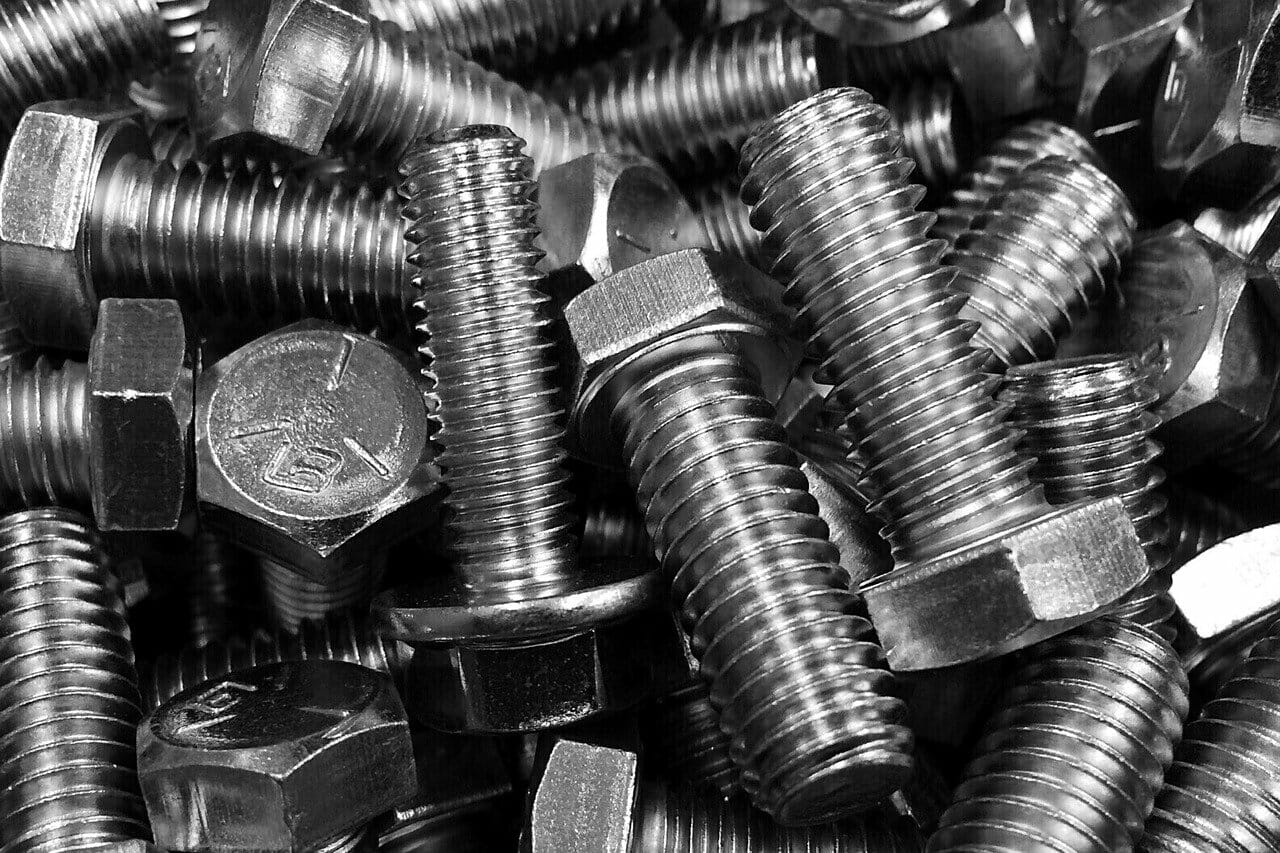
Connecting massive steel beams, columns, and trusses requires heavy-duty fasteners capable of withstanding tensile and shear forces. Standard commercial bolts lack the mechanical strength needed to hold multi-story framing secure against heavy structural loads.
Start evaluating your connection design by specifying high-strength structural bolts engineered to clamp steel plates together under high tension. Proper fastener selection prevents joint slippage, reduces structural fatigue, and protects overall building stability.
Failing to install high-strength fasteners correctly creates severe structural risks under heavy dynamic loads. Understanding proper bolting standards protects buildings from costly engineering retrofits.
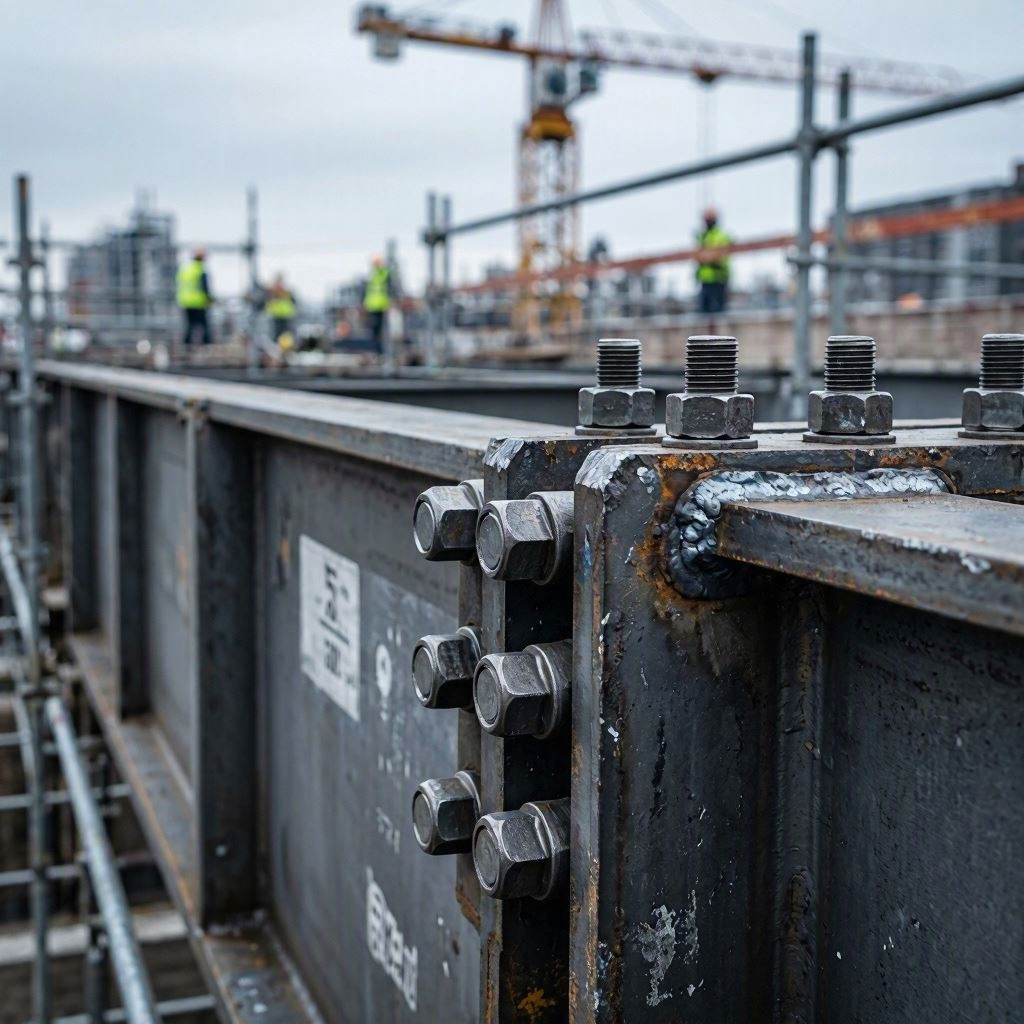
Mechanics of Tension Control Bolts and Installation Methods
Tension Control Mechanics and Shear Off Splines
Tension control bolts streamline structural assembly by using a specialized spline that shears off once proper clamping tension is achieved. Field crews use electric shear wrenches to hold the bolt spline while turning the nut until the tip snaps off cleanly.
Selecting structural fasteners that comply with modern specifications ensures that tension control assemblies maintain consistent clamping force throughout their service life. Consistent tensioning eliminates guess work and removes the need for manual torque wrench calibration on site.
Adhering strictly to established structural steel connection standards guarantees that heavy framing joints safely transfer calculated dead loads and dynamic wind forces. High clamping force creates friction between connected steel surfaces, preventing joints from shifting during seismic activity.
Using tension control assemblies speeds up structural steel erection while improving jobsite productivity. Single-operator installation tools allow ironworkers to secure heavy splined bolts without needing an extra crew member holding the bolt head.
Fastener Selection and Field Inspection Guidelines
Inspecting structural bolting connections requires verifying that every bolt assembly has achieved full tension without damaging surrounding steel. Visual inspection teams can confirm proper installation quickly by checking for snapped splines across exposed joint connections:
- Inspect bolt threads to verify proper washer placement under the nut
- Confirm that shear wrench sockets fully engage the splined bolt end
- Check joint gap alignment before applying final installation torque
Match bolt material grades directly to structural engineering plans to avoid mixing different fastener strengths on the same jobsite. Proper storage keeps factory-applied bolt lubrication intact, preventing premature thread galling during installation.
Store all high-strength fasteners in weather-tight containers on the jobsite until installation. Moisture exposure degrades factory lubricants and alters required shear tension values.
Corrosion Protection and Galvanized Tension Control Fasteners
Environmental Exposure and Galvanization Standards
Exposing bare steel fasteners to moisture, road salt, or industrial atmospheres rapidly accelerates rust and joint degradation. Protecting exterior steel connections requires choosing specialized protective coatings that prevent atmospheric corrosion over decades of service.
When erecting structural frameworks in humid or coastal environments, specifying mechanically galvanized or hot-dip galvanized TC bolts provides superior corrosion resistance without compromising shear capacity. Mechanical galvanizing applies a protective zinc layer without exposing steel to hydrogen embrittlement risks.
Verify that nuts and washers match the specific galvanizing process used on the bolt shank to prevent thread binding. Uniform zinc thickness ensures smooth nut installation while maintaining required assembly tension levels.
Consult with structural engineering specs before selecting protective coatings for high-strength fasteners. Matching coating thickness to environmental exposure categories prevents premature rust in industrial settings.
Securing Structural Joints With High-Strength Bolting
Mastering high-strength bolting practices ensures that commercial steel structures remain safe, durable, and resilient against environmental stresses. Investing in proper tension control fasteners and corrosion protection extends the lifespan of critical building connections.
Review your project fastener specifications with certified steel inspectors before starting field erection. Choose quality structural bolts today to build strong, dependable steel frameworks that stand the test of time.