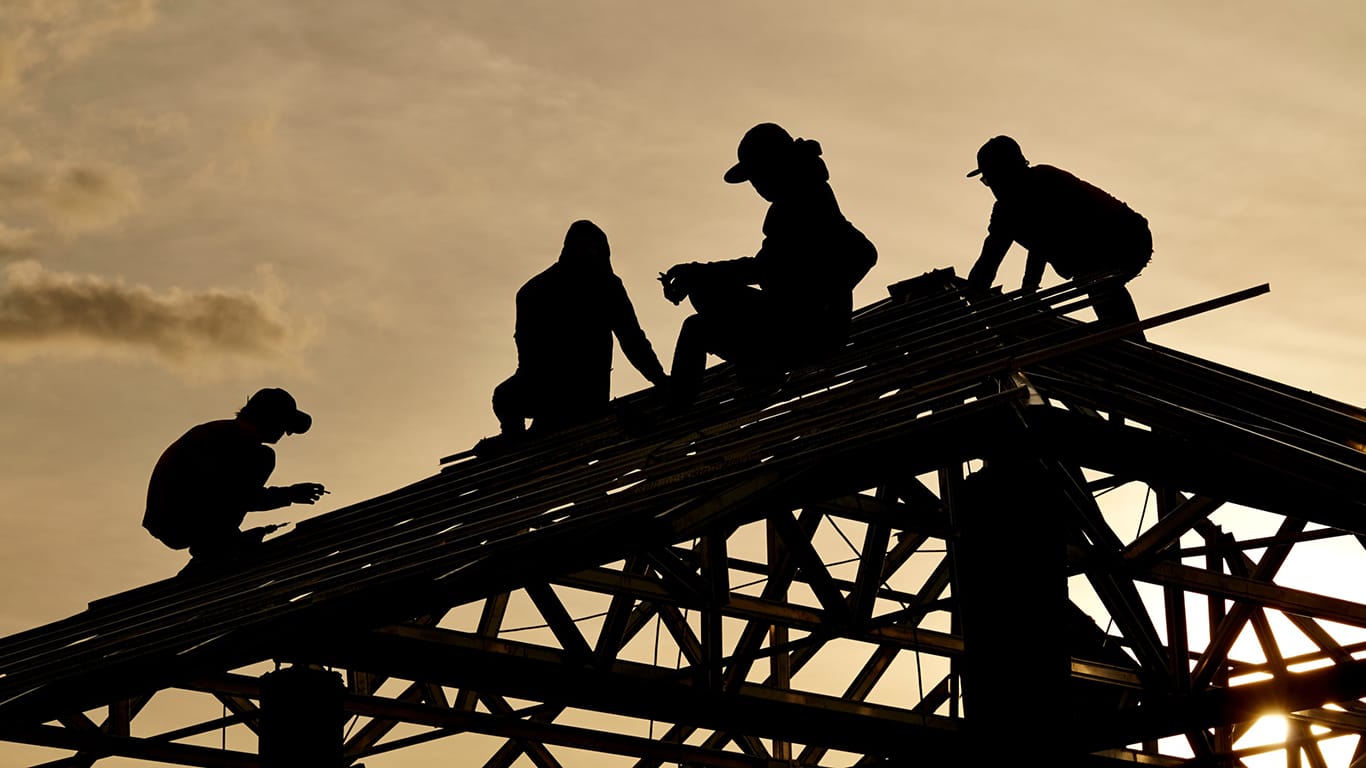
When a new building project is planned, most of the early attention goes to site selection, budgeting, and structural design. Roofing is often treated as a downstream decision, something to finalize once the frame is up and the bigger questions are settled.
That approach can be costly.
Decisions around roofing in construction planning carry weight from day one, influencing everything from material costs to long-term maintenance schedules, and pushing them to the end of the process tends to create problems that are far more expensive to fix later.
The Cost of Treating Roofing as an Afterthought
Roofing affects structural load calculations, insulation strategy, drainage systems, and even the building’s energy performance. When it is left out of early conversations, project teams often find themselves retrofitting decisions that should have been baked into the design from the start.
The financial stakes behind this are significant. Roof repair and replacement claim costs in the U.S. reached nearly $31 billion in 2024, up almost 30% since 2022, according to data analytics firm Verisk. Wind and hail accounted for more than half of all residential roof claims during that period, a reminder that the roofing decisions made at the planning stage carry real, measurable risk once a building is in use.
This is especially true for commercial and multi-unit residential projects, where roof systems have to account for HVAC placement, solar readiness, foot traffic, and regional weather patterns. Reworking a roof plan after the structural design is locked in usually means change orders, delays, and higher costs. Builders who bring roofing into the conversation during the planning phase avoid most of these headaches entirely.
Key Roof Design Considerations
Every project has its own set of roof design considerations, and they tend to fall into a few common categories, including climate exposure, roof pitch, material compatibility, and building code requirements.
In Arizona, for example, roofs need to withstand intense UV exposure, seasonal monsoon storms, and extreme temperature swings. The scale of that exposure is not abstract. Phoenix set a record streak of 113 consecutive days at or above 100 degrees in 2024, according to National Oceanic and Atmospheric Administration data. A roofing system chosen for a mild climate simply will not hold up the same way here, which means material selection has to be linked to location from the outset, not adjusted after the fact.
Roof pitch also affects a surprising number of downstream decisions. A low-slope commercial roof calls for different waterproofing and drainage strategies than a steep residential roof, and those differences ripple into how the rest of the building envelope is designed. Getting this right early prevents costly compatibility issues between the roofing system and the structure beneath it.
Roof Planning and Design as a Team Effort
Effective roof planning and design works best when architects, structural engineers, and roofing specialists are in the same conversation early, not brought in sequentially. When roofing input arrives after the architectural drawings are finalized, teams are often stuck working around constraints that could have been avoided with earlier coordination.
This collaborative approach also helps with budgeting accuracy. Roofing represents a significant portion of total construction costs, and rough estimates made without input from roofing professionals tend to be unreliable. A roofing contractor who understands the project scope early can flag material availability issues, labor timelines, and code compliance concerns well before they become expensive surprises.
For developers managing multiple projects, this is where working with a professional roofing contractor from the outset pays off. Contractors who are involved in the planning stage can align roofing timelines with the rest of the construction schedule, reducing the risk of delays caused by mismatched expectations between trades.
Roof Construction Considerations That Shape the Timeline
Beyond design, there are practical roof construction considerations that affect how smoothly a project moves forward. Material lead times, crew availability, permitting requirements, and weather windows all factor into scheduling, and roofing is frequently one of the more time-sensitive phases of a build.
Contractor capacity is a real constraint right now. In the National Roofing Contractors Association’s Q3 2025 industry survey, 26% of roofing contractors reported project backlogs of three to four months, and another 12% reported backlogs of five months or more.
Projects that wait until construction is underway to line up a roofing contractor risk running straight into those backlogs, while teams that plan and schedule roofing early can secure a crew before the queue builds.
Supply chain delays for certain roofing materials can stretch timelines by weeks if they are not accounted for early. Builders who lock in material specifications during the planning phase, rather than waiting until the roofing phase begins, give themselves more flexibility to source materials on schedule and avoid last-minute substitutions that can affect performance or warranty coverage.
Permitting is another factor that catches project teams off guard. Roofing systems for commercial buildings often have specific code requirements like fire rating, wind uplift resistance, and energy codes. Addressing these requirements during planning, rather than during construction, keeps inspections moving and avoids the kind of stop-work delays that can derail a project timeline.
Planning for the Life of the Roof, Not Just the Build
Construction planning should also account for what happens after the building is complete. Roofs require ongoing maintenance, and a roof designed without maintenance access in mind can turn routine upkeep into a logistical challenge.
Simple details, like where rooftop equipment is placed relative to walkways, or how drainage systems are routed, make a measurable difference in how easy a roof is to service over its lifespan. Buildings designed with maintenance access in mind tend to have lower long-term repair costs and fewer emergency callouts.
This is also where an established relationship with a roofing provider becomes valuable well beyond the construction phase. Having a team already familiar with the building’s roofing system in place for ongoing needs, including roof repair services, means problems get addressed faster and with less disruption than starting from scratch with an unfamiliar contractor after issues arise.
Building Roofing into the Plan from Day One
Successful construction projects treat roofing as a core part of the design process rather than a checklist item to finish before move-in. Bringing roofing expertise into early planning conversations helps teams avoid costly rework, keeps timelines realistic, and results in a roof system built to perform for the climate and use case it was actually designed for.
For architects, developers, and project managers looking to avoid the common pitfalls of late-stage roofing decisions, the takeaway is straightforward: the earlier roofing is part of the plan, the smoother the rest of the build tends to go.
Conclusion
Making roofing decisions early in the construction planning process helps prevent costly changes, improve coordination between teams, and create a roofing system built for long-term performance. By considering roofing alongside structural design, materials, climate conditions, and maintenance needs, project teams can make better decisions from the beginning. Involving experienced roofing professionals early helps ensure the roof supports the building’s goals, timeline, and future performance.