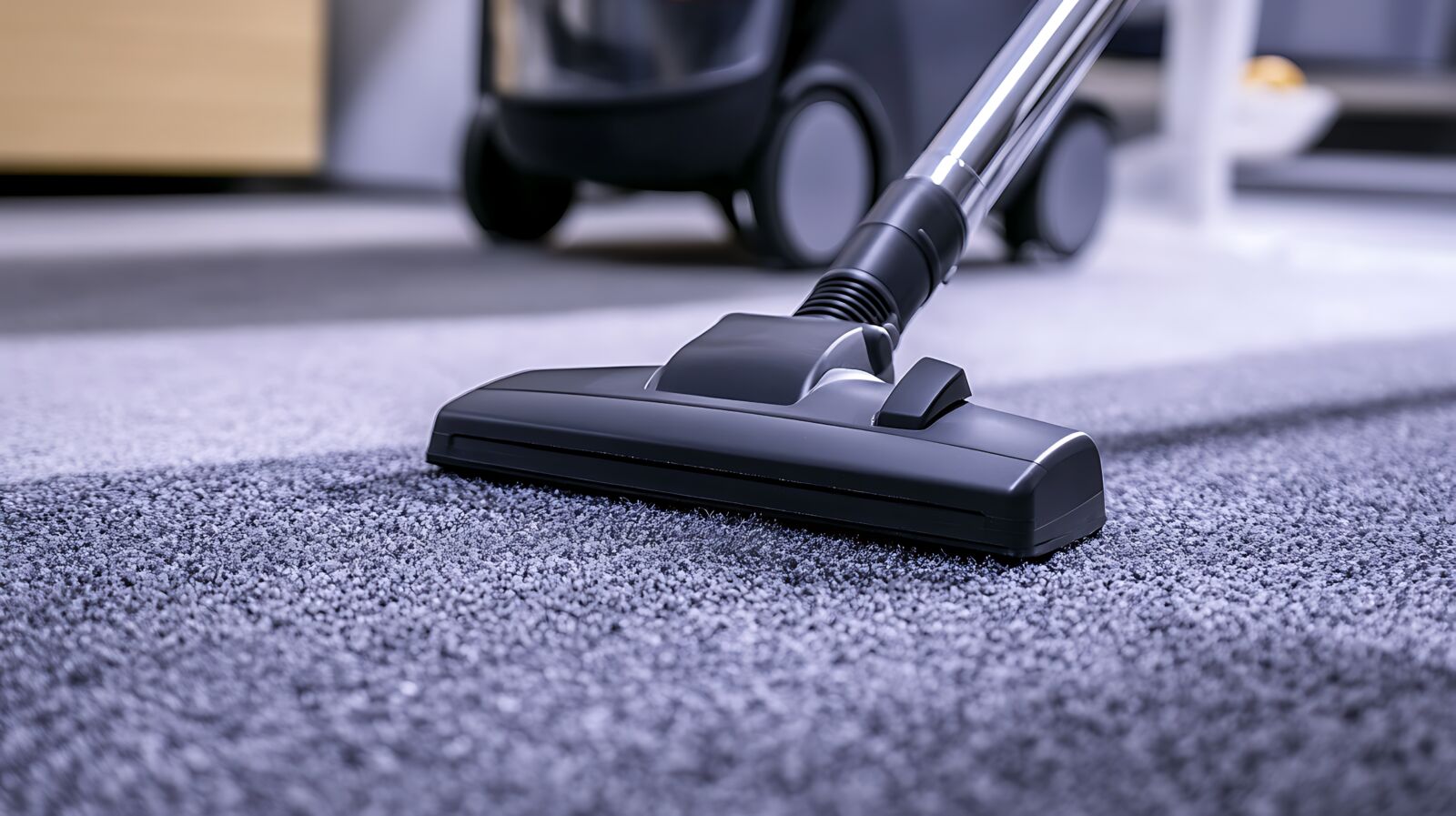
A commercial property can have modern furniture, bright lighting, and neat walls, yet still feel untidy when the floors are ignored. Rugs are often placed near entrances, reception desks, meeting rooms, and shared work areas. Because people walk over them every day, they collect dust, grit, food marks, and other dirt. Regular care for commercial floor coverings helps keep these areas clean and creates a more professional first impression.
Why Floor Details Matter to Visitors
Visitors often form an opinion of a business soon after entering its building. A clean entrance and tidy reception area can make the space feel organised and welcoming. Dirty or stained rugs may create a different impression, even when the rest of the property is well maintained. Clients, customers, suppliers, and job applicants all notice the condition of shared spaces.
Rugs also help reduce noise and make hard floors feel more comfortable. In offices, hotels, shops, and other commercial settings, they can help define waiting areas or guide people through a building. When these useful features look neglected, the whole space may seem less cared for. Floor maintenance is therefore part of keeping a property ready for daily business.
Daily Foot Traffic Brings Hidden Dirt
Commercial rugs face more use than many household rugs. Staff members, visitors, delivery workers, and customers may cross the same areas throughout the day. Shoes carry small stones, dust, and outdoor soil inside. These particles can settle between rug fibers, where a quick surface clean may not remove them.
Busy entrances and corridors usually need extra attention because they receive repeated foot traffic. Food and drink spills can also leave marks in break rooms, cafes, and waiting areas. If moisture and dirt remain in the fibers, unpleasant smells may develop. Regular checks help property managers notice these issues before they become harder to deal with.
Build a Practical Cleaning Routine
A useful care plan does not need to be complicated. Regular vacuuming can remove loose dirt before it gets pressed deeper into the rug. Entrance mats can catch some soil before people reach the main floor coverings. Staff can also be encouraged to report spills quickly so they can be handled using suitable methods.
The cleaning schedule should match how each area is used. A busy lobby may need more frequent vacuuming than a meeting room used only a few times each week. Rugs should also be checked for loose edges, worn patches, or curling corners that could cause someone to trip. Moving furniture carefully and rotating rugs when suitable can help spread wear more evenly.
When Routine Cleaning Is Not Enough
Vacuuming is useful, but it cannot remove every kind of dirt or stain. Particles can become trapped deep in the pile, while spills may reach the backing. Strong smells and stubborn marks may also need more than everyday care. Using the wrong product or too much water can damage some rug materials, so cleaning methods should suit the rug’s construction and condition.
For this reason, deep cleaning for business rugs can help address dirt and buildup that regular vacuuming may leave behind. A professional service can assess the rug and select an appropriate cleaning approach. Commercial rug cleaning may also help businesses manage stains and odors while keeping floor coverings in better condition. The right schedule depends on foot traffic, rug material, and the needs of each property.
MORE NEWS: Atari Hotels breaks ground in Roosevelt Row
DEEPER DIVE: 10 Arizona restaurants make Yelp’s Top 100 Mexican food spots
Make Maintenance Part of Property Management
Rug care works best when it is included in the wider building maintenance plan. Property managers can note which areas get the most use, record cleaning dates, and arrange checks after busy periods. This makes it easier to spot repeated problems, such as stains near a coffee station or heavy dirt around an entrance.
Clear responsibilities also help. Cleaning teams should know which products are approved and how to report damage. Any rug with a loose edge or serious wear should be checked promptly rather than ignored. A planned approach can reduce last-minute cleaning needs and help the property remain presentable for employees and visitors.
A Cleaner Setting Supports a Stronger Image
A professional-looking commercial property is created through many small decisions. Clean windows, cared-for furniture, clear walkways, and well-kept rugs all contribute to the overall setting. Rugs may not be the first feature that managers think about, but their condition can affect how a room looks and feels.
Final Thoughts
Commercial rugs handle constant use, so their care should not be left until stains become obvious. A steady routine, quick attention to spills, and suitable professional cleaning can help protect their appearance. When floor coverings are clean and well maintained, they support a more welcoming space for everyone who enters. This simple step helps protect the building’s interior and overall appearance.