A clean home should feel fresh, comfortable, and safe. Yet the products used on floors, rugs, and furniture can affect indoor spaces in ways that are easy to miss. Strong smells and leftover sprays may remain after cleaning. Choosing eco-friendly cleaning solutions can reduce reliance on harsh chemicals while keeping everyday spaces clean. A good routine considers not only visible dirt but also what cleaning leaves behind.
What Happens After a Cleaning Product Is Used?
Some cleaners release strong fumes during use. These smells can spread between rooms, especially when windows are closed. Sprays may also leave a film on tables and floors. Not every scented product is harmful, but labels and directions should always be followed.
Residue on Floors and Furniture
If too much cleaner is used, residue may remain after a surface dries. It can attract dust or leave floors sticky. Children and pets often spend time close to the floor, so correct use matters.
The effect of a cleaner also depends on how it is applied. Spraying a large amount into the air can create more mist than needed, while pouring cleaner directly onto a rug may soak its backing. A small amount applied as directed is usually easier to control. Keeping children and pets out of a freshly cleaned area until the product instructions say it is safe is another sensible step. These details are especially important in rooms used throughout the day.
Rugs and upholstered furniture need special care because fibers can hold dust, spills, and cleaning liquids. A hard-floor cleaner may not suit a wool rug or delicate fabric. Check the care label and test a hidden spot when instructions allow. The right method helps protect color, texture, and material life.
Why Product Choices Matter in Indoor Spaces
Indoor air is affected by cooking, dust, pets, and cleaning products. Sprays and scented cleaners may add to odors. Open windows when possible, use fans safely, and never mix cleaning chemicals. Bleach mixed with ammonia or acidic cleaners can create dangerous gases.
Using more products does not always produce a better result. Read labels to learn where a cleaner can be used, how long it should stay, and whether rinsing is needed. Keep products in their original containers, away from children and pets.
The word natural on a label should not replace careful reading. Plant-based ingredients can still cause irritation or damage if they are used in the wrong way. A product should clearly state what surfaces it is made for and how it should be used. Claims such as gentle or green do not explain every ingredient or safety step. Checking the full label helps households make informed choices instead of relying only on packaging or fragrance.
A Better Approach to Rug and Carpet Care
Rugs collect dirt from shoes, crumbs, pet hair, and dust. Regular vacuuming removes loose particles before they settle into fibers. Blot spills with a clean cloth instead of rubbing, which can push stains deeper or harm the pile. Match the method to the rug’s material.
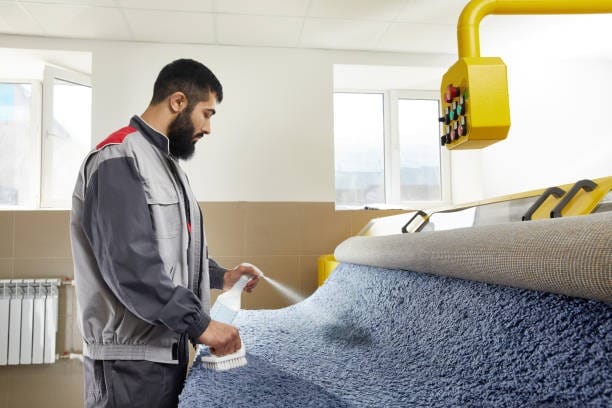
When routine care is not enough, a suitable cleaning service can help protect a rug. Philadelphia Rug Cleaning’s organic care solutions may interest households that want to consider the products used during rug and carpet cleaning. Homeowners can ask which products are used, whether they suit the rug, and how long drying takes. Clear answers help guide the choice.
Small Habits That Make a Difference
Place mats near entrances to catch dirt and consider removing shoes indoors. Vacuum busy areas regularly, and rotate rugs when their design and placement allow it. These habits help reduce grit and spread wear more evenly. Busy rooms may need more frequent vacuuming because dirt can wear down rug fibers under regular foot traffic over time.
Different stains may need different care. Food, oil, mud, and drinks should not all be treated with the same product. Check care instructions before trying a new method. For valuable or delicate rugs, seek professional advice first.
Read Labels and Clean with Care
Labels explain the correct amount, suitable surfaces, safety steps, and whether ventilation or gloves are needed. Using a product for an unlisted purpose can damage a surface or create risk. Clean clothes and tools also help prevent dirt spreading between rooms.
A careful routine does not need many products. Use only what is needed, choose cleaners suited to each surface, and follow safety instructions. When a product has a strong smell, pay attention to ventilation and directions.
Building a Cleaner and Healthier Home
Cleaning choices affect more than a room’s appearance. They can influence surface care, indoor odors, and comfort. By reading labels, using products correctly, and choosing suitable rug and carpet care, households can maintain clean spaces without needless use of harsh cleaners. Small choices can help protect home furnishings and make everyday cleaning more thoughtful.