When Brisbane business owners and commercial property managers think about risk, they tend to focus on the obvious threats: lease disputes, structural maintenance, market conditions, and compliance with building codes. Drainage rarely makes the list until something goes wrong. By then, the financial and reputational damage is already in motion.
Blocked drains in commercial settings are not a minor inconvenience. In restaurants, warehouses, office buildings, retail premises, and multi-tenancy strata complexes, drainage failures can trigger a cascade of consequences that affect business continuity, tenant relations, workplace safety, and insurance standing. Understanding the risk clearly, and taking a structured approach to prevention, is a matter of sound property management.
The Commercial Stakes Are Higher Than Most Owners Realise
A blocked drain in a residential home is disruptive. The same problem in a commercial kitchen, a medical centre, or a ground-floor retail tenancy can be operationally catastrophic. Food businesses face immediate regulatory consequences if drainage fails during service. Healthcare premises cannot operate with compromised sanitation. Any business with foot traffic faces liability exposure if drainage overflow creates slip hazards.
Beyond the immediate disruption, the downstream costs compound quickly. Water damage to stock, flooring, and fit-out is rarely covered in full by insurance when the cause is identified as a maintenance failure that developed over time. Tenant claims for loss of trade, emergency plumber callout fees, and remediation of water-affected surfaces all land on the property owner’s balance sheet.
Brisbane’s subtropical climate adds a further layer of complexity. The city’s wet season brings intense, concentrated rainfall that overwhelms partially blocked stormwater drains rapidly. Commercial properties with inadequate drainage maintenance going into the wet season are particularly exposed to flooding events that could otherwise be prevented.
Identifying the Problem Early
The challenge with blocked drains in commercial properties is that the warning signs are easy to dismiss until they become impossible to ignore. Slow-draining sinks and floor wastes, gurgling sounds from drain lines, faint sewage odours in enclosed areas, and intermittent low-pressure issues in bathroom facilities are all indicators of developing blockages rather than acute failures.
Properties that house multiple tenants or operate across multiple floors are especially prone to cumulative blockage issues, where grease, debris, tree root intrusion, or pipe scaling builds up across connected drain lines over time. By the time one tenant reports a problem, the root cause may be several metres away and several months in the making.
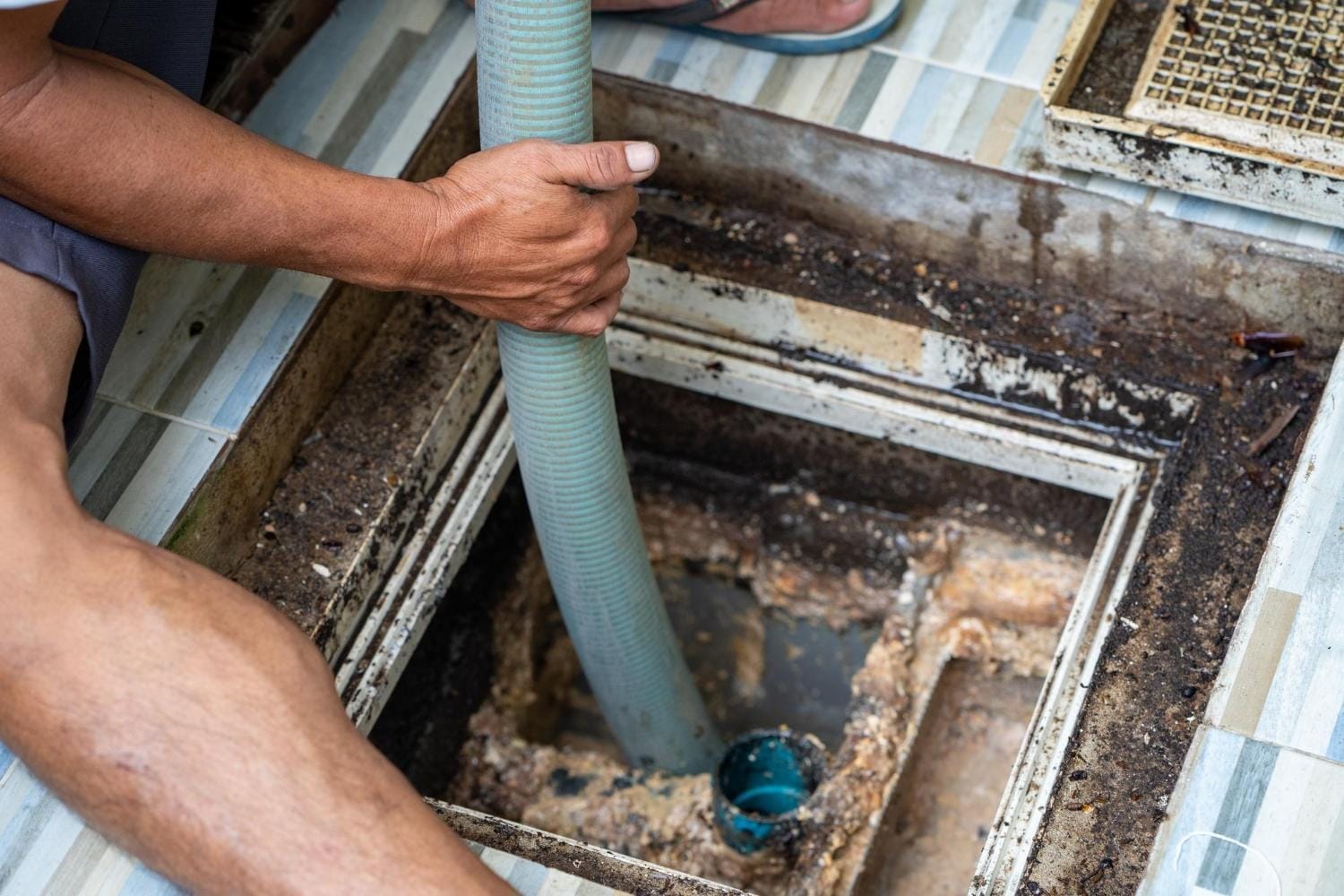
Engaging blocked drain specialists in Brisbane for scheduled maintenance and inspection, rather than waiting for a failure, is the approach that separates well-managed commercial properties from reactive ones. All Kind Gas & Plumbing, for instance, uses CCTV drain cameras to inspect internal pipe conditions without excavation, high-pressure water jetting to clear accumulated grease and debris from commercial drain lines, and pipe relining to restore structural integrity in aging pipework. For strata complexes and multi-tenancy buildings, these services can be carried out with minimal disruption to tenants during low-traffic periods.
Workplace Safety and Legal Obligations
The safety dimension of drainage failures in commercial properties is significant and frequently underestimated. Sewage backflow, standing water on hard floors, and drainage overflow in food preparation or processing areas create conditions that carry genuine injury risk and regulatory exposure.
SafeWork Australia, the federal body responsible for workplace health and safety policy, is clear that property owners and managers have a duty of care to ensure that workplaces under their control are free from foreseeable hazards. A drainage system that has been flagging warning signs and not acted upon is precisely the kind of foreseeable hazard that creates liability exposure when an incident occurs. Maintaining documented records of inspections, maintenance work, and contractor engagement is a key part of demonstrating due diligence in that context.
For Brisbane commercial property managers, this means treating drainage maintenance not as a cost to be deferred but as a compliance and risk management obligation with clear legal dimensions.
Building a Preventive Maintenance Schedule
The most effective approach to commercial drain management is a scheduled one. Rather than responding to blockages as they occur, property managers should build drain inspection and maintenance into the annual property maintenance calendar, with frequency adjusted to the property type and usage intensity.
High-use commercial kitchens, for example, typically require grease trap servicing and drain jetting on a quarterly basis. Office building drainage and bathroom waste lines in lower-volume premises may need annual CCTV inspection and jetting. Stormwater infrastructure should be inspected and cleared before the onset of Brisbane’s wet season each year.
Keeping records of each service, including the date, provider, scope of work, and any findings, creates a maintenance trail that supports insurance claims, satisfies regulatory scrutiny, and demonstrates active management to tenants and prospective buyers alike.
The Property Value Argument
Drainage is infrastructure. Like roofing, electrical systems, and HVAC, its condition directly affects the value, liveability, and insurability of a commercial property. A building with a documented history of proactive plumbing and drainage maintenance is a materially better asset than one with a pattern of reactive emergency callouts and recurring issues.
For Brisbane commercial property owners considering sale or refinance, a clean drainage inspection report is a meaningful piece of due diligence documentation. For those managing properties on behalf of investors, it is evidence of the professional stewardship that justifies management fees and builds long-term client confidence.
Blocked drains do not announce themselves conveniently. The discipline of addressing them before they escalate is what separates managed risk from avoidable crisis.