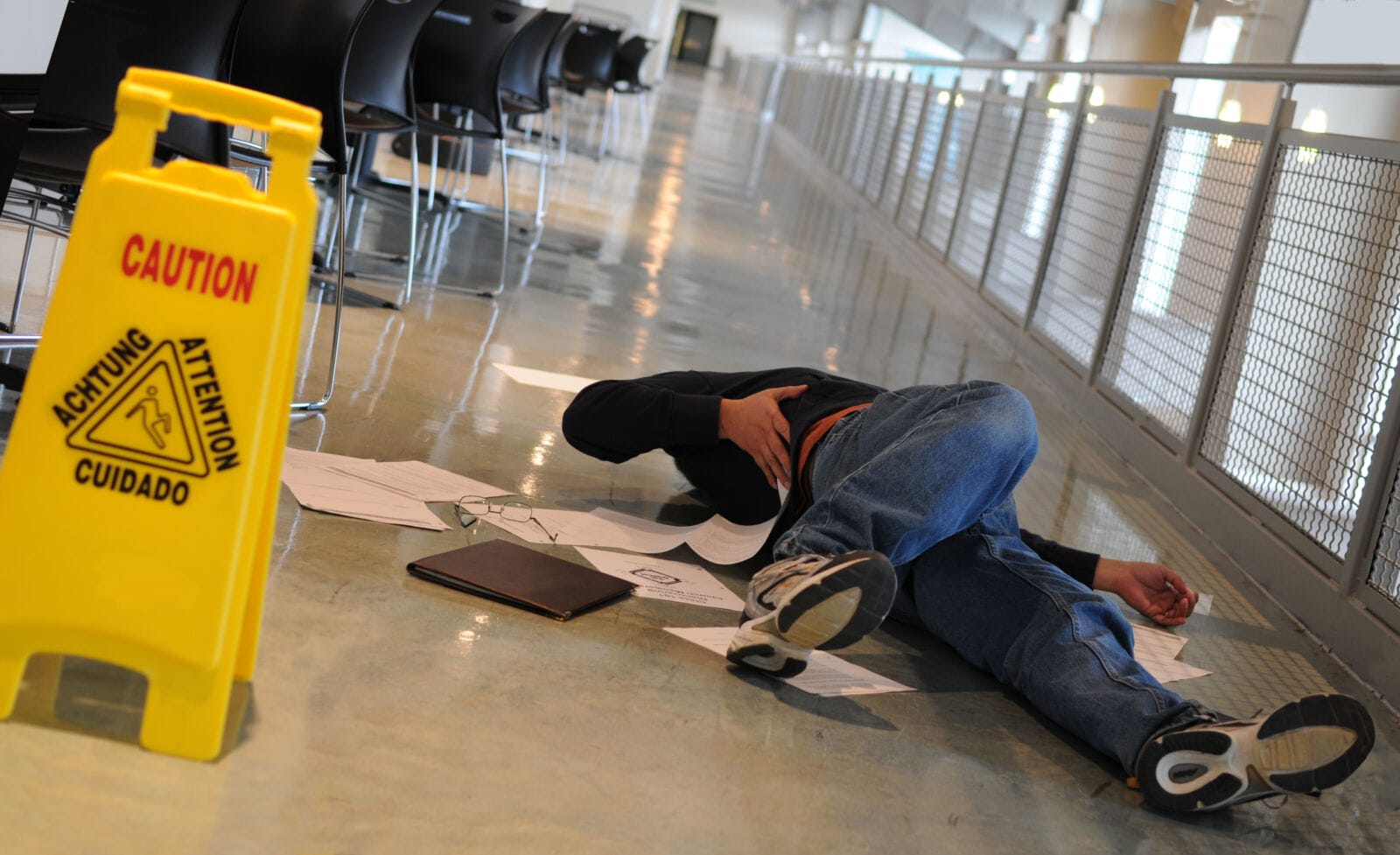
A slip-and-fall accident can leave you with pain, medical bills, missed work, and uncertainty about what to do next. It can also raise an important question: was this just an accident, or did someone fail to keep the property reasonably safe?
A strong claim usually depends on the facts behind the fall, not just the injury itself. If a dangerous condition caused the accident, a top-rated slip and fall lawyer in Brooklyn may help determine whether the property owner, landlord, business, or another responsible party can be held liable.
1. A Dangerous Condition Caused the Fall
A slip-and-fall claim is stronger when there is a clear hazard that caused the accident. This may include a wet floor, spilled liquid, loose floor mat, broken stair, uneven sidewalk, icy walkway, poor lighting, torn carpet, or cluttered aisle.
The dangerous condition must be more than a minor inconvenience. It should be something that created an unreasonable risk for people walking through the area. The more clearly the hazard can be identified and connected to the fall, the stronger the claim may become.
2. The Property Owner Knew or Should Have Known About the Hazard
One of the most important parts of a slip-and-fall case is notice. This means the property owner either knew about the danger or should have discovered it through reasonable inspection and maintenance.
For example, if a spill sat on the floor long enough for employees to notice it, or if tenants had repeatedly complained about a broken step, that may support the claim. Evidence of prior complaints, inspection logs, maintenance records, or witness statements can help show that the property owner had a chance to fix the problem before someone got hurt.
3. There Were No Proper Warnings
A property owner may not always be able to fix a hazard immediately, but they may still be expected to warn people about it. Warning signs, cones, barriers, or temporary closures can help reduce the risk when a danger exists.
If no warning was present, the claim may be stronger. This is especially true when the hazard was difficult to see, located in a busy area, or created by the property owner’s own employees. A wet floor without a caution sign, a dark stairwell without repair notices, or an icy entryway without treatment may all raise questions about reasonable safety measures.
4. Evidence Supports Your Version of Events
A strong slip-and-fall claim usually depends on evidence. Photos of the scene, surveillance footage, witness statements, incident reports, medical records, and maintenance documents can all help explain what happened and why.
Evidence is especially important because dangerous conditions can disappear quickly. A spill may be cleaned, ice may melt, a broken tile may be repaired, or a warning sign may be added after the fall. The sooner evidence is preserved, the easier it may be to prove that the hazard existed at the time of the accident.
5. Your Injuries Are Clearly Connected to the Fall
Medical evidence can play a major role in a slip-and-fall claim. A case may be stronger when the injured person seeks treatment promptly and medical records clearly connect the injuries to the accident.
Delays in treatment can create problems because insurance companies may argue that the injury was unrelated, preexisting, or not serious. Emergency room records, doctor visits, imaging results, physical therapy notes, and specialist evaluations can help show the extent of the harm caused by the fall.
6. You Were Acting Reasonably at the Time
Property owners and insurance companies often try to blame the injured person. They may claim you were distracted, walking too fast, wearing unsafe shoes, ignoring warning signs, or failing to watch where you were going.
A claim may be stronger when the facts show that you were using the property in a normal and reasonable way. Even if the defense argues that you share some fault, that does not automatically mean you have no claim. The key question is whether the unsafe condition played a meaningful role in causing the fall.
7. The Responsible Party Can Be Identified
A strong claim also requires identifying who had control over the area where the fall occurred. Depending on the location, this may be a store owner, landlord, property manager, maintenance company, city agency, restaurant, building owner, or tenant.
This part can be more complicated than it seems. A fall in a parking lot, apartment building, sidewalk, or commercial property may involve more than one responsible party. Determining who controlled, maintained, inspected, or repaired the area is often necessary before a claim can move forward.
Building a Stronger Claim Starts With the Details
A slip-and-fall claim is not strong simply because someone was hurt. It becomes stronger when the evidence shows that a dangerous condition existed, the responsible party knew or should have known about it, and reasonable steps were not taken to fix or warn about the danger.
The details matter from the beginning. Photos, witness names, medical records, incident reports, and preserved video can all help show what really happened. When those details support the injured person’s account, the claim may have a much stronger foundation.