Abu Dhabi’s real estate market is opening new doors for global capital, with strategic legislation, investor-friendly zones, and targeted growth corridors. This article unpacks the emerging opportunities and what business-minded investors need to know.
“Abu Dhabi’s unit and building stock grew between 2023 and 2024. The Emirate recorded an overall unit increase of 3.9%, led by the Abu Dhabi Region at 4.4%, followed by Al Ain Region at 3.4% while Al Dhafra had minimal growth at 0.9%. Residential units grew 5.7%, highlighting continued demand for housing. On the building front, total structures increased by 6.2%, with commercial buildings seeing the highest growth rate of 9.1%” (Census.scad.gov, 2024).
Over the past decade, the Emirate of Abu Dhabi has transformed its property sector from a local market into a global proposition. With freehold ownership extended to foreigners, transparent registration systems and growing infrastructure investment, the timing is ripe for property acquisitions. For serious investors, the journey is becoming increasingly straightforward and the potential upside is compelling.
LOCAL NEWS: Phoenix housing market outpaces national trends again in 2025
INDUSTRY INSIGHTS: Want more news like this? Get our free newsletter here
Strategic Growth Drivers Behind Abu Dhabi’s Rising Real Estate Appeal
One of the big draws when you decide to buy property in Abu Dhabi is the range of incentives available to prospective buyers, especially when purchasing new-build or off-plan stock. Some developers waive the government registration fees entirely or offer discounted service charges for the first few years and flexible payment plans allow buyers to spread capital commitment over time.
For example, buyers may benefit from a reduced down payment, deferred finishing costs or promotional endorsements tied to project launches that effectively act as bonuses. These incentives significantly reduce the entry cost and help align the investment with liquidity and cash-flow planning strategies that meet the demands of globally mobile capital.
Why International Investors see Long-Term Stability in Abu Dhabi’s Market
First, the macroeconomic engine remains robust. Abu Dhabi’s move to diversify beyond hydrocarbons under its Vision 2030 initiative has led to the emergence of new sectors, including tourism, culture, finance and technology, creating fresh demand for homes, rentals and commercial real estate.
At the same time, the legal framework has evolved, allowing foreign nationals to purchase freehold properties in designated zones, a game-changer for international capital flows. Developers and agents emphasize that the combination of modern infrastructure and investor protections is creating a compelling environment for global property acquisitions in the Emirate.
Global capital often hunts two things: security and scalability. Abu Dhabi offers both. It provides political and legal stability, no income or capital-gains tax on property returns and a transparent registration regime that supports foreigners.
Meanwhile, large-scale infrastructure and landmark projects raise the profile of key districts, underpinning long-term value. International investors recognize that while luxury gateway cities may be overheated, Abu Dhabi offers a less crowded alternative, with upside potential and relatively efficient transaction costs.
Government Initiatives, Free Zones and Policies Fueling Foreign Investment
Tailored policies are central to the investment story. The removal of restrictions on foreign ownership in certain zones, along with visa regimes linked to property investment, has made the proposition more accessible. These legal reforms are reinforced by professional services frameworks, which include structured procedures for title registration, escrow accounts for off-plan projects and dedicated government portals for foreigners.
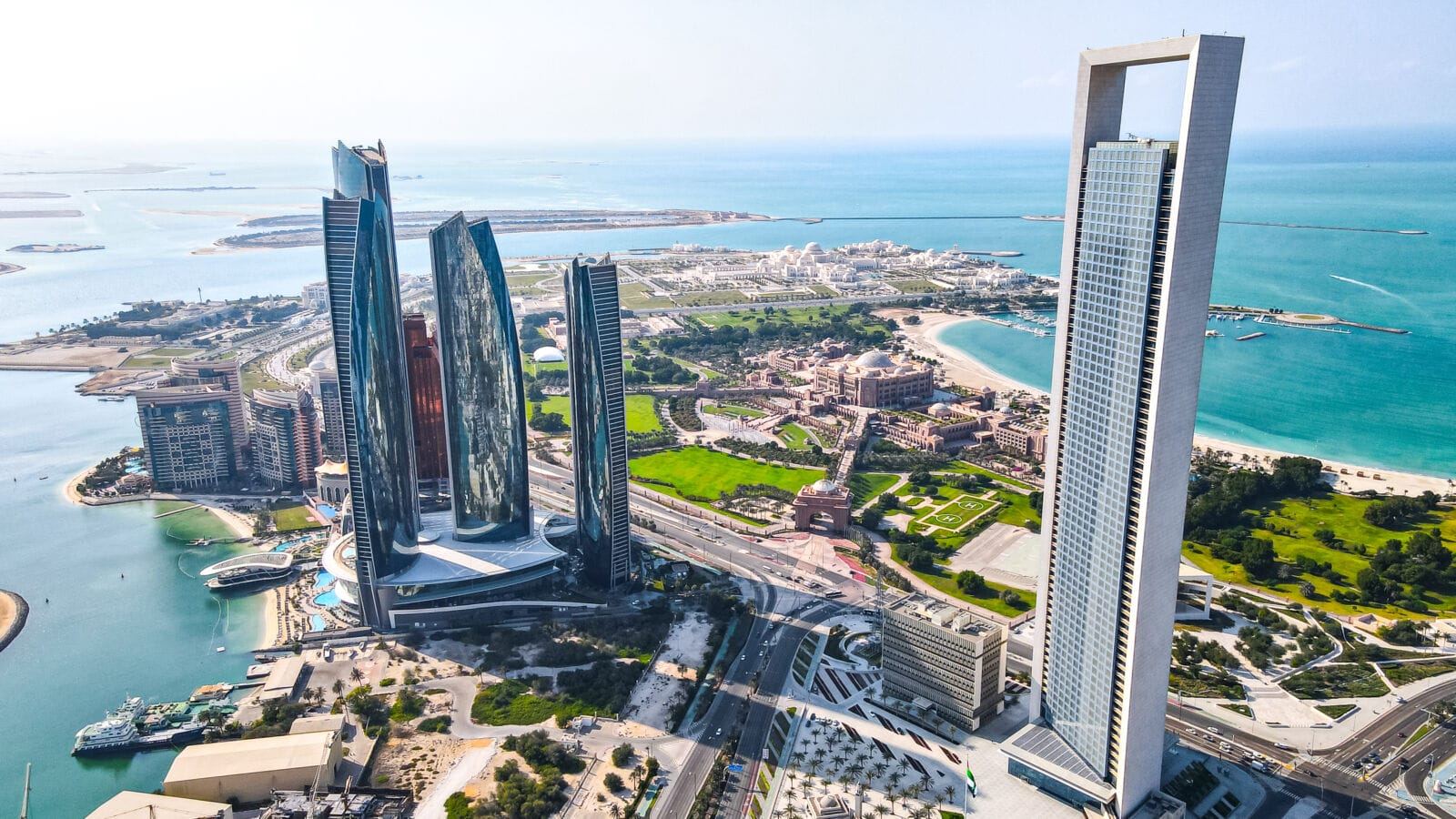
Investors should note that freehold ownership is limited to designated zones, such as Yas Island, Al Reem Island and Saadiyat Island, with other areas operating under long-term leasehold arrangements. Due diligence on zone status remains essential to ensure ownership rights align with investment goals.
Where Global Capital is Flowing in 2025
Freehold zones across Abu Dhabi are no longer niche projects; they are full-scale investment corridors. For example, the waterfront and cultural-luxury district of Saadiyat draws capital focused on ultra-premium assets and long-hold wealth structures, whereas urban high-rise zones such as Al Reem behave more like yield-driven rental platforms.
Off-plan developments also remain a strategic tool: investors buy early, capitalize on payment-plan flexibility and benefit from value creation as projects are completed. Timing, project quality and payment structure critically differentiate returns, especially for cross-border investors seeking stable long-term positioning within Abu Dhabi’s most competitive real estate corridors.
What Abu Dhabi’s Momentum Means for Cross-Border Investors Moving Forward
For professionals and firms who may be considering global diversification, Abu Dhabi’s evolving real estate market signals a new frontier. The environment aligns with institutional expectations, characterized by regulated ownership rights, transparent transaction processes and a jurisdiction actively promoting capital inflow. That means firms can embed property in Abu Dhabi alongside other asset classes, such as infrastructure-adjacent residential, corporate relocation housing, or portfolio real estate exposures.
The challenge is execution: selecting the correct zone, verifying the developer’s track record, aligning funding terms and exit strategy. Absent those, large-scale investors risk buying into hype rather than high-quality real estate. But for those disciplined in their approach, Abu Dhabi presents an opportunity to combine living-market demand, global connectivity and currency diversification in one strategically positioned asset class.
In summary, Abu Dhabi’s real estate story is more than simply bricks and mortar: it’s built on legal reform, economic diversification and investor-centric frameworks. For business audiences accustomed to cross-border investment, this means tomorrow’s property portfolio may increasingly include locations once considered fringe. The Emirate’s emergence as an investment-grade market attracts significant capital and now that entry barriers continue to ease, the question shifts from whether to participate to how best to execute.