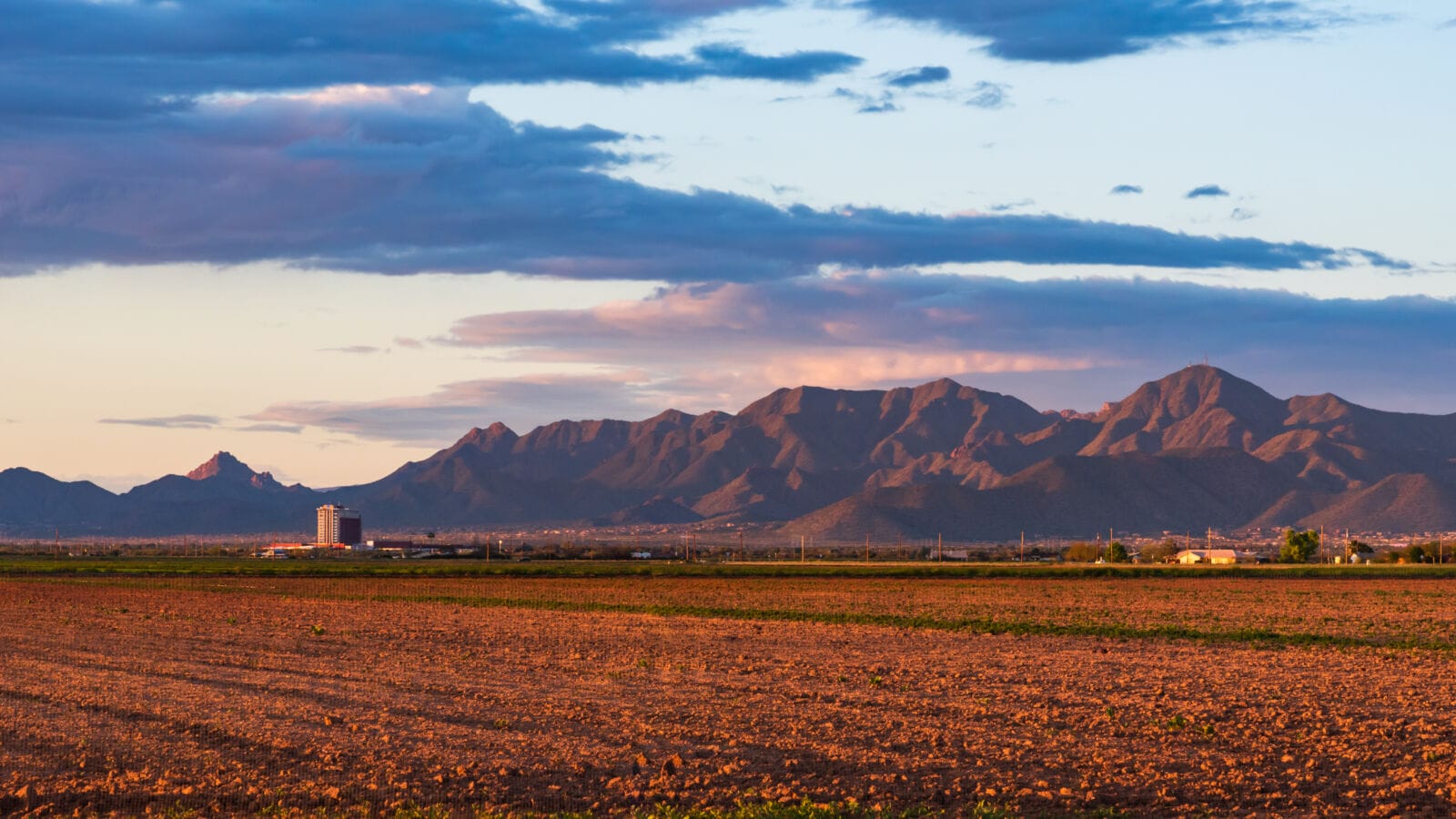
Arizonans have the privilege of living among some of nature’s most unique landmarks — from the Grand Canyon’s sweeping scale to the pristine Sonoran Desert vistas of Saguaro National Park. This geographic diversity is partly due to being the sixth largest state by area in the U.S., containing 113,655 square miles within its borders. While many know that Arizona is home to multiple Tribal Nations, it’s easy to underestimate just how big their presence is — 28% of the state’s total footprint rests on tribal lands. Overlooking these sovereign entities means forgoing development prospects on more than a quarter of Arizona’s soil.
In January, Local First Arizona released a report identifying $17.6 billion in unrealized economic growth in Tribal Nations, adding that there are “millions of jobs waiting to be created,” if only more investment would flow into these regions.
“Understanding where opportunities exist helps ensure our decisions reflect our values and support the future we want for our community,” says Tonto Apache Chairman Calvin Johnson in a press release. “Having reliable data helps tribes and potential partners identify where investment can be mutually beneficial.”
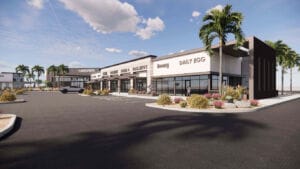
The report estimates that small-to mid-sized developments in Native communities would have the largest impact by meeting demand for goods and services currently being outsourced.
“Rural [and tribal] communities have such a great opportunity because they can work on things that are small that make a huge difference,” says Eric Trevan, founder of aLocal.ai in a press release. “They don’t need to recruit a data center or solar farm. They can look at something as simple as where people are buying shoes, and whether those dollars are leaving the community.”
Despite the high demand, there is only a “small pool” of developers willing to take on these projects, according to Jim Bond, director at Fennemore. Many firms are wary of the nuances involved with building within Tribal Nations, but Bond says a little learning goes a long way.
Understanding sovereignty
When developing on reservations, contractors and lawyers are not beholden to state zoning and land-use regulations because of tribal sovereignty — a legal principle acknowledging the inherent right of tribes to govern themselves within U.S. borders. Because of this federally recognized status, new projects must enter into a tribal trust land lease agreement with approval from the Bureau of Indian Affairs instead of purchasing land or leasing directly from a city or municipality.
LEARN MORE: Here’s how economic development hinges on relationships
DEEPER DIVE: Here’s how land use patterns are changing in Arizona
Native land can either be leased from the tribal government itself, or from individual allotted landowners who are members of the tribe. But tribal sovereignty doesn’t apply to every kind of lease agreement. In the Salt River Pima Maricopa County Indian Community, projects owned by allotted landowners without sovereign immunity are common, according to Bond.
“If the tribal government owns the land you’re leasing, then sovereign immunity becomes more of an issue, but they are willing to waive it for the limited purpose of being able to enforce the lease,” Bond continues. “[Developers] hear things about sovereign immunity that spook them, even though those aren’t necessarily major issues.”
Can’t copy/paste
Just like Arizona’s other communities, no two Tribal Nations are the same, so developers must understand who they’re dealing with and how their approval process may be different. Some tribes, like the Salt River Pima Maricopa Indian Community, attract many outside businesses and are “very sophisticated” in their approach to working with developers. They have separate planning and legal departments, similar to “what you would see if you went to the City of Scottsdale or the City of Phoenix,” Bond explains.
Some Native Nations, however, don’t have the bandwidth or need to be structured like a municipality. Bond says that sometimes a single department handles everything, or the tribal government will convene a committee to weigh in on whether a project should move forward.
According to Carlos Muñoz, partner of PIMMEX-CHASSE, tribal decision-making is often more centralized than in municipalities, where approvals are handled by city staff following procedural frameworks. As such, presentations to councils, work sessions and community meetings are more common for projects on Native land.
Alongside a less standarized regulatory path requiring coordination with both tribal and federal governments, cultural design elements need to be incorporated accurately and with reverance. Given these considerations, developers should be prepared for slightly longer timelines.
Tribal governments, Bond adds, are “thoughtful and diligent” about working with developers to move projects forward. Having professionals on the development team who are familiar with the intricacies of working with tribal governments — including planners, engineers, general contractors and “of course, the attorneys,” — is a competitive advantage, Bond says.
Building on Native land should be the beginning of a lasting relationship based on honest, transparent and respectful communication rather than a purely transactional one. Developers should pair high-quality construction techniques with culturally responsive design that reflects tribal history and identity.
Success often comes from early engagement with tribal leadership, and flexibility in scheduling and budget.
“You need to have a long-term view,” Bond concludes. “Developers who do a really good job recognize that.”