
Interior design defines how a home feels the moment someone walks inside. In the United States, this feeling influences real value. Appraisers are trained to remain objective, but presentation still matters. A functional, clean, and modern interior supports stronger appraisals. Poor design choices can restrict perceived worth even in good locations.
Design impacts usability, buyer appeal, and condition. These elements address the final appraisal number. Interior design does not replace location or structure but supports them. When design options align with market expectations, appraisers feel confident in assigning a higher value.
READ MORE: Here’s why the Arizona economy is poised to accelerate
LOCAL NEWS: Want more stories like this? Get our free newsletter here
How Home Appraisals Are Evaluated
“A home appraisal is a skillful estimate of market value. Lenders use it to minimize risk. Appraisers review upgrades, condition, layout, and square footage. They compare the home to current sales nearby. Interior design is considered an integral part of a home’s overall appeal and condition,” shares John Swann, Founder of John Buys Your House
While appraisers do not rate decor, they note how design impacts usability. Homes that appear well-maintained and updated are easier to sell. That ease affects value. A home that feels outdated may appraise lower, even when it is structurally sound.
Functional Design Adds Measurable Value
Function matters more than just decoration. Appraisers focus on how well a house works for daily life. Kitchens with efficient layouts are often valued higher. Bathrooms that feel practical and spacious score better, explains Mark Pike, Owner of Denver Janitorial.
Storage matters a lot, like cabinets, built-ins, and closets improve usability. Design that eliminates wasted space improves flow. When rooms serve clear purposes, buyers usually respond positively. Appraisers reflect such responses in their reports. Functional design shows thoughtful investment. It signals that the home was improved with purpose rather than trend.
Layout and Flow Shape Perceived Space
Flow influences how large a home feels. Open layouts usually feel bigger than closed ones. Appraisers notice this even if the square footage stays the same. Poor layouts minimize appeal. Blocked sightlines and narrow hallways create tension. Good flow builds comfort. Living spaces that connect naturally feel modern.
Buyers prefer houses that feel easy to move through. Appraisers understand buyer behavior and preferences. Homes with better flow usually sell faster. Faster sales help in stronger valuations.
Interior Condition Reflects Maintenance Quality
Condition talk without words. Fresh paint shows care. Clean floors speak of pride, and cracked tiles suggest neglect. Appraisers read all these signs quickly. Neutral paint colors enhance appeal. They allow home buyers to imagine ownership.
Smit Shah, E-commerce Manager at Apollotile.com, explains, “Old carpets minimize value perception. Updated flooring enhances it, and even small repairs matter. Chipped trim or loose handles can influence the impression. Design that keeps interiors consistent and clean shows continuous maintenance. That consistency leads to higher appraisals.”
Lighting Impacts Mood and Value
Lighting changes everything. Bright rooms feel open and warm while natural light increases perceived space. Dark rooms look small. Appraisers note light flow and window placement. Updated fixtures also matter, and even lighting improves usability.
Bathrooms and kitchens benefit the most. Poor lighting hides flaws, but they also hide value. Houses with good lighting photograph better and show better. This enhances market response. Appraisers reflect this response in valuation decisions.
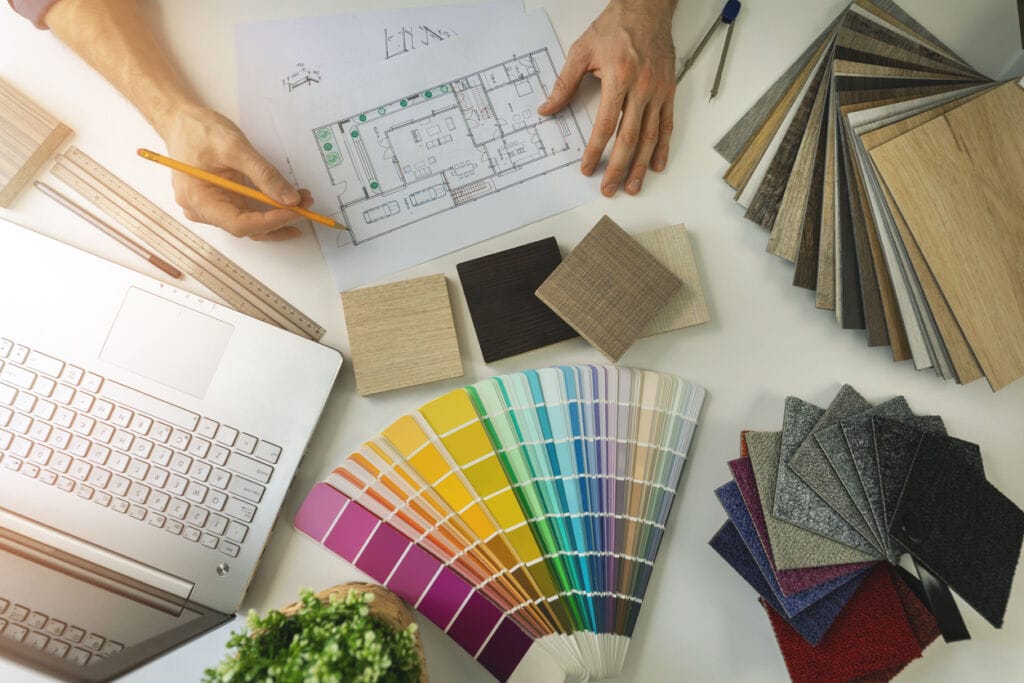
Color Choices Impact Market Appeal
Color impacts emotion. Neutral colors attract most buyers since they feel clean and calm. Bold colors can limit the appeal. Appraisers consider buyer response when noting interior condition.
A bright red room may be well-painted but still risky. Warm grays and soft whites feel safe. Houses with neutral palettes feel move-in ready. That readiness enhances perceived value. Appraisers understand that broad appeal minimizes selling risk.
Quality Finishes Signal Long-Term Value
Finish quality matters more than just trend. Solid cabinets look durable, and cheap fixtures feel temporary. Appraisers notice that poor workmanship and installation reduce confidence. Aligned doors and smooth drawers signal quality.
Neil Dempsey, Founder of Four 19 Properties, explains, ”Quality materials will definitely last longer. They also reduce future repair costs. Buyers value durability. Appraisers display this in condition notes. High-quality finishes do not have to be luxury. They should be consistent and solid. That consistency supports valuation.”
Bathrooms and Kitchens Carry Extra Weight
Bathrooms and kitchens impact appraisals strongly. Buyers focus on them as a priority. Appraisers understand this. Updated kitchens increase confidence and value. Clean surfaces and modern appliances matter.
Bathrooms with fresh fixtures and tile feel reliable. Outdated areas lower the appeal, and such rooms suggest future expenses if ignored. Design updates here usually offer the best return. Appraisers reflect market preference. Strong bathrooms and kitchens lift overall value perception, says Trevor Rice, Founder of Home Pros.
Interior Design Creates Appraisal Confidence
Interior design shapes how a house is understood. It influences condition, appeal, and function. Appraisers respond to what home buyers value. Good design supports usability and clarity, showing intention and care. Poor design presents doubt.
Appraisals are not emotional, but perception can still play a role. Design does not replace structure or location but supports them. Thoughtful interior choices help houses appraise closer to their true potential in the US market.
Interior Design Helps Homes Compete in Local Markets
“Every house competes with the others nearby. Appraisers compare different properties within the same area. Interior design helps a house stand out without even changing location. Houses with updated interiors usually outperform similar houses with outdated spaces. Buyers respond to usable layouts and clean lines.
Appraisers note this difference when they are comparing sales. A well-designed house suggests fewer future repairs since it feels ready. That readiness boosts market confidence. When a house competes well, it supports a stronger valuation,” said Devon Howard, CEO of Andor Willow
Conclusion
Interior design plays a quiet but also a powerful role in home appraisals across the US. It shapes how space is utilized and how a house feels during evaluation. Strong lighting, clean layouts, and neutral colors support positive impressions. Functional bathrooms and kitchens add confidence to value. Quality finishes show long-term stability and care. Appraisers reflect home buyer expectations in their reports. Thoughtful design increases appeal and reduces risk. While design alone does not set value, it helps a home reach its full potential.