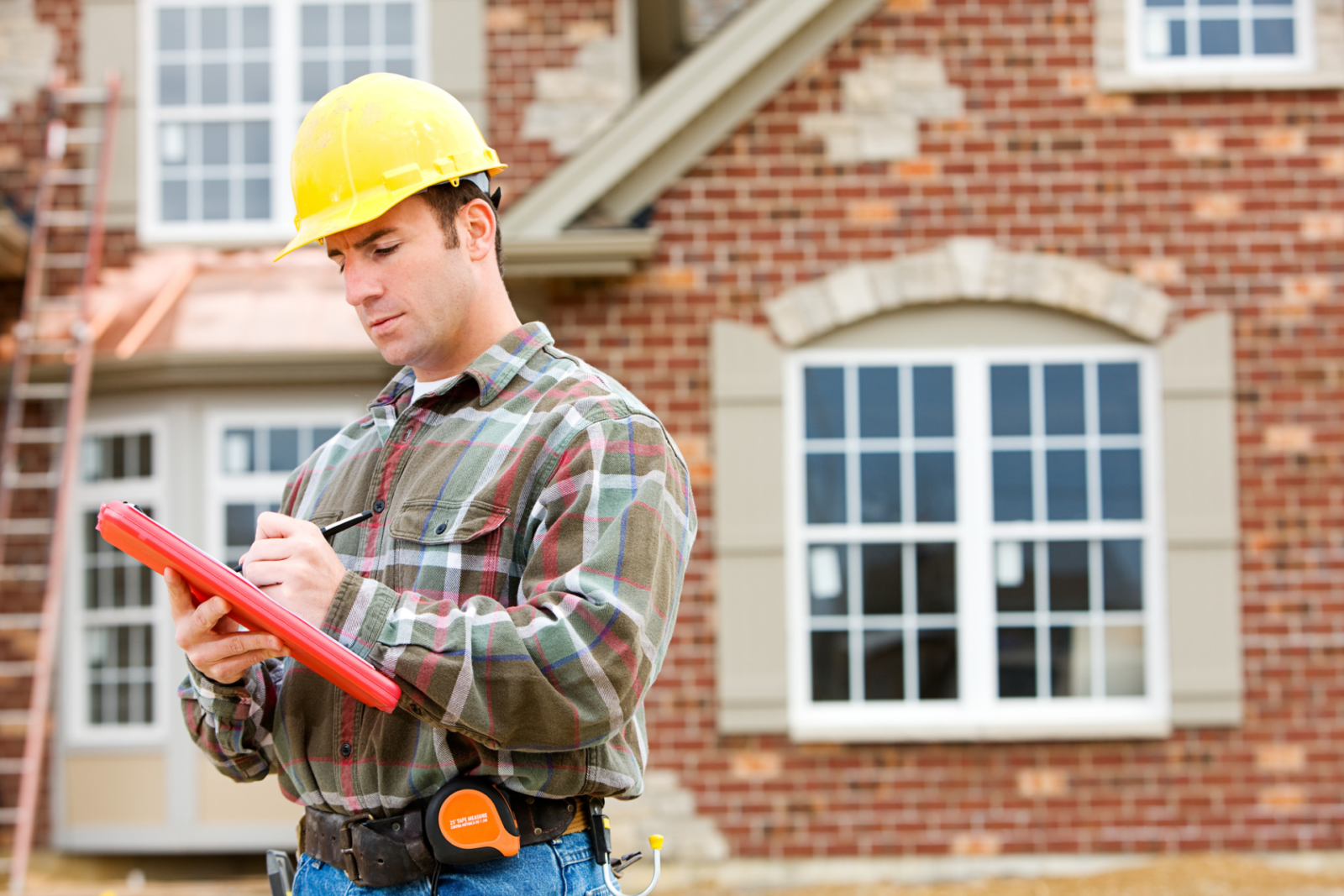
When it comes to home inspections, long reports can feel overwhelming. However, not everything on that list requires urgent attention. It’s important to understand which issues need immediate fixing and which can wait. Home inspection results play an important role in real estate transactions. Buyers often worry about the flagged items, especially when the report seems full of problems.
Most homes will have some safety concerns or repair needs, but every problem has a solution. Deciding what to address and when is a shared decision between the buyer, seller, and real estate agents. A home inspection typically includes a visual check of the structure, plumbing, electrical systems, and other important components. Sometimes, the issues found can be used to negotiate the price or plan for future repairs.
This article will focus on common problems found during home inspections and how to handle them. It will also explain which repairs are urgent and which ones can be planned for later.
Aluminum Wiring
During a home inspection, the presence of aluminum wiring, common in houses built from 1965 to 1973, is often noted. Unlike copper, which is standard in modern homes, aluminum wiring tends to wear out more quickly. It is also more likely to overheat, creating a higher risk of fire. Some homeowners, especially those who have lived in their homes for decades without inspections, may be unaware that they have aluminum wiring. Although it doesn’t guarantee a fire, it does increase the likelihood.
Another concern is that many insurance companies hesitate to provide coverage for homes with aluminum wiring due to the associated risks. Inspectors often advise that buyers contact their insurance agents to discuss the situation. While rewiring a home with copper can be expensive, with an average cost of around $16,000, there are other solutions. Special connectors or devices can be installed to improve the safety of aluminum wiring. This offers a less costly alternative to full rewiring. This can give buyers more flexibility in addressing the issue without breaking the bank.
Basement Dampness
Basement dampness is a common issue that home inspectors often find, and it can show up in several ways. Signs include water stains on the walls or floors, a powdery residue known as efflorescence, and the presence of mold or mildew. These signs indicate that moisture is entering the basement. This can lead to long-term problems like structural damage or health concerns from mold growth.
Fixing basement dampness starts with addressing the root cause. This is usually water not being properly directed away from the house. One of the first steps is to repair or clean out the gutters to ensure rainwater is diverted away from the foundation. Downspouts should also be extended to move water further from the home’s base. In some cases, the grading around the house may need to be improved so water flows away from the foundation instead of pooling near it.
After managing the external water flow, the next step is applying waterproof coatings to the interior basement walls. These coatings help seal the walls and prevent water from seeping inside.
Foundation Issues
Foundation issues can cause significant problems if ignored. Some common signs of trouble include cracks in the foundation, uneven floors, and doors or windows that stick. These issues usually occur when the foundation shifts due to soil movement, water damage, or poor construction practices.
One simple way to address foundation cracks is by sealing them. Smaller cracks can be filled with silicone caulking. This provides flexibility and prevents water from seeping in. Larger cracks may require the use of epoxy, which offers a stronger and longer-lasting solution. Both materials help stop moisture from getting into the cracks, which can prevent them from worsening.
After the cracks are sealed, adding a waterproof coating to the exterior of the foundation can help protect it from further damage. This coating creates a barrier that blocks moisture from penetrating the walls. This reduces the risk of future cracks or structural problems. If the damage is more severe, it may require further evaluation to determine if additional support is needed for the foundation or if drainage issues need correction.
Defective Heating Systems
Defective heating systems can lead to serious problems. Common issues include cracks in the heat exchanger or water tank and leaks of carbon monoxide. Cracks in the heat exchanger can cause dangerous gases to leak into the home, while a faulty water tank can lead to water damage and inefficient heating. Carbon monoxide leaks pose a severe health risk, as this gas is colorless and odorless.
Homeowners in the Denver metro can mitigate these hazards by arranging a professional furnace evaluation; reputable furnace repair services near Denver, CO provide heat-exchanger inspections, CO testing, and fast same-day diagnostics.
To address these problems, start by inspecting the chimney flues. Resealing them helps prevent dangerous gases from escaping into the living areas. It’s also important to check the water heater. Replacing the sacrificial anode in the water tank can prevent corrosion and extend its lifespan. The sacrificial anode is a metal rod inside the tank that attracts corrosive elements, protecting the tank from damage.
Elia Guidorzi, Marketing Executive of Tehchni Waterjet told Azbigmedia that, in cases where components like heat exchanger plates or metal fittings need replacement, modern HVAC manufacturers often use waterjet cutting technology. Waterjet systems can cut stainless steel, copper, and other metals with extreme precision without introducing heat that could weaken the material. This allows technicians to source or fabricate accurate, distortion-free replacement parts, helping restore the heating system safely and efficiently.
Regular maintenance and timely repairs can ensure the heating system functions safely and efficiently. Keeping the system in good condition helps avoid costly repairs and potential health hazards.
Poor Upkeep
Poor upkeep can affect a home’s appearance and value. Common issues include peeling paint, worn-out carpets, and a cracked driveway. These problems can make a home look neglected and less inviting.
To improve the situation, consider a minor facelift for the house. Repainting the exterior or interior can refresh the look and make it more appealing. Replacing old carpets with new ones can enhance the comfort and aesthetics of the home. Repairing or resurfacing a cracked driveway can boost curb appeal and prevent further damage.
Mark Hanson, Founder of SunTino Solar Lights said, another simple improvement is adding solar lights along walkways, driveways, or outdoor living spaces. Solar lights enhance safety by illuminating dark areas without increasing electricity bills, and they instantly improve curb appeal with minimal maintenance. They turn on automatically at dusk and can highlight landscaping or pathways, making the home appear well cared for.
Taking these simple steps can significantly improve the home’s overall appearance and help maintain its value. Regular maintenance and updates can keep a home looking its best and prevent small issues from becoming bigger problems.
Roof Issues
Roof issues can lead to serious damage if not addressed. Common problems include brittle or curled shingles and broken or missing flashings. Brittle shingles may break easily, while curled shingles can allow water to seep underneath, causing leaks. Broken or missing flashings, especially around chimneys and other roof protrusions, can also lead to leaks and water damage.
To fix these issues, start by inspecting the shingles. If they are damaged, replacing them is often the best solution. In cases where the roof has been re-roofed multiple times, usually after three layers, it might be necessary to tear off the old shingles and start fresh. This ensures that any underlying issues are addressed and that the new shingles adhere properly.
Replace any broken or missing flashings. These are important for directing water away from vulnerable areas like chimneys and vents. Properly installed flashings help prevent water from getting underneath the roof. This reduces the risk of leaks and structural damage.
Old Electrical Panels
Home inspectors should pay close attention to electrical panels. They are important for managing and distributing electricity throughout the house. A common problem they might find is when two branch circuit wires are connected to the same breaker. Each breaker should handle only one wire. When multiple wires are attached, it can cause the breaker to trip frequently. Fixing this issue is usually straightforward and can resolve power interruptions.
Inspectors should also evaluate the type of electrical panel installed. Older models, like Zinsco and Federal Pacific panels, which were used from the 1950s to the 1980s, are often flagged. These panels have been known to pose fire risks because their circuit breakers can fail over time. Homes with these outdated panels might face insurance challenges, as some companies refuse to provide coverage.
Replacing an old electrical panel is an important update for safety and reliability. The average cost to replace and install a new electrical panel is around $2,400. This investment ensures the electrical system meets current standards and reduces the risk of electrical issues.
Plumbing Problems
Plumbing issues are commonly noted during home inspections. These can range from minor problems, like a loose hose or a leaky faucet, to more significant concerns. While minor leaks may not seem urgent, they can worsen over time. This can potentially lead to water damage and mold. It’s important to address these small issues promptly to prevent bigger problems later.
Inspectors should also check for specific types of piping that may need attention. Polybutylene plastic pipes, used from 1978 to 1994, are known for having a higher risk of leaks and failures compared to modern materials. Another concern is cast iron and galvanized pipes, which are prone to corrosion. While these pipes are not common in new homes, their presence in older houses might indicate a need for future replacement. Copper pipes, which are widely used today, generally have a longer lifespan and are less prone to issues.
Replacing outdated plumbing can be a significant expense. The average cost for replacing plumbing supply pipes ranges from $1,500 to $15,000, depending on the home’s size and the type of pipes involved.
Appliance Functionality
During a home inspection, appliances are carefully assessed to ensure they function properly. Inspectors should check each appliance to confirm it operates correctly and does not pose safety risks. They can examine common household items like ovens, refrigerators, dishwashers, and washers.
Inspectors should look for basic issues such as broken parts, unusual noises, or signs of malfunction. They can also check for potential safety hazards like electrical problems or gas leaks. While inspectors are not appliance repair experts, they aim to identify any problems that could affect the appliance’s performance or safety.
If an appliance has issues, the inspector notes these in the report. This helps to address problems early and ensures that any necessary repairs or replacements are made.
Building Code Violations
Building codes are important for ensuring safety and proper construction, though they can vary by location. Inspectors should look for several frequent issues during their checks.
One common violation is missing or defective ground-fault circuit interrupters (GCFIs). GCFIs are essential for preventing electrical shocks and should be installed in kitchens, bathrooms, garages, and outdoor circuits. Inspectors should check to make sure these devices are both present and working properly.
Another issue involves handrails on staircases. Building codes require that handrails have a “return” at the end, which is a small wooden piece that connects to the wall. This design helps secure the handrail and prevent accidents.
Smoke alarms and carbon monoxide detectors must be correctly placed according to codes. Each level of the home should have a smoke alarm, and detectors should be installed near sleeping areas. Inspectors ensure these safety devices are properly positioned and functional.
Deck flashings are another critical area. Flashing needs to be installed between the deck ledger board and the house. The ledger board must be securely attached. Many DIY decks have ledgers that become loose, which can lead to deck collapse, especially when heavily used.
Finally, basement bedrooms must have windows for emergency escape. Building codes require each bedroom to have an egress window to ensure safety in case of an emergency. Inspectors check for this requirement to ensure that basement bedrooms meet safety standards.
Addressing common home inspection issues can make a significant difference. By understanding these common problems and their solutions, homeowners and buyers can make informed decisions and take appropriate actions.
For more detailed advice on handling these and other home inspection concerns, consider consulting a professional inspector or contractor. Their expertise can provide valuable guidance and help address any issues effectively.
FAQs
How often should a home inspection be done?
Regular home inspections are recommended every 5–10 years for ongoing maintenance. For buyers, an inspection is typically done before closing a sale.
What is the difference between a home inspection and a home appraisal?
A home inspection assesses the condition of the property, while a home appraisal determines its market value.
Are home inspections necessary for newly built homes?
Yes, even new homes can have defects or issues that a home inspection can identify before finalizing the purchase.
How long does a typical home inspection take?
A standard home inspection usually takes 2-4 hours, depending on the size and condition of the property.
Who pays for the home inspection—the buyer or the seller?
Typically, the buyer pays for the home inspection, but terms can be negotiated as part of the purchase agreement.
What is a pre-inspection?
A pre-inspection is done by a seller before listing the home to identify and address issues in advance, potentially making the property more appealing to buyers.