For years, the traditional approach to residential real estate was simple: buy a house, live in it, and hope it appreciates. The backyard was for the kids, the garage was for the cars, and the side yard was where the weeds went to retire. That approach is changing.
Across the Phoenix metropolitan area, homeowners and investors are looking for ways to get more value from land they already own. “Land maxing” means using a property more productively — perhaps by adding an accessory dwelling unit (ADU), splitting a lot where permitted, converting existing space, or pursuing small-scale infill development. As a Phoenix land use and zoning attorney, I see the appeal: sometimes the best opportunity is not buying more land, but taking a closer look at what you already have.
The strategy is especially relevant in established neighborhoods, where infrastructure is often nearby and demand for housing remains strong. But a large backyard does not automatically create a buildable homesite. Zoning, setbacks, lot coverage, access, utilities, drainage, and recorded easements can all determine whether an idea is feasible.
DEEPER DIVE: Here’s how many jobs Arizona is projected to add by 2035
MORE NEWS: Building a pipeline of women in tech
ADUs are changing the conversation
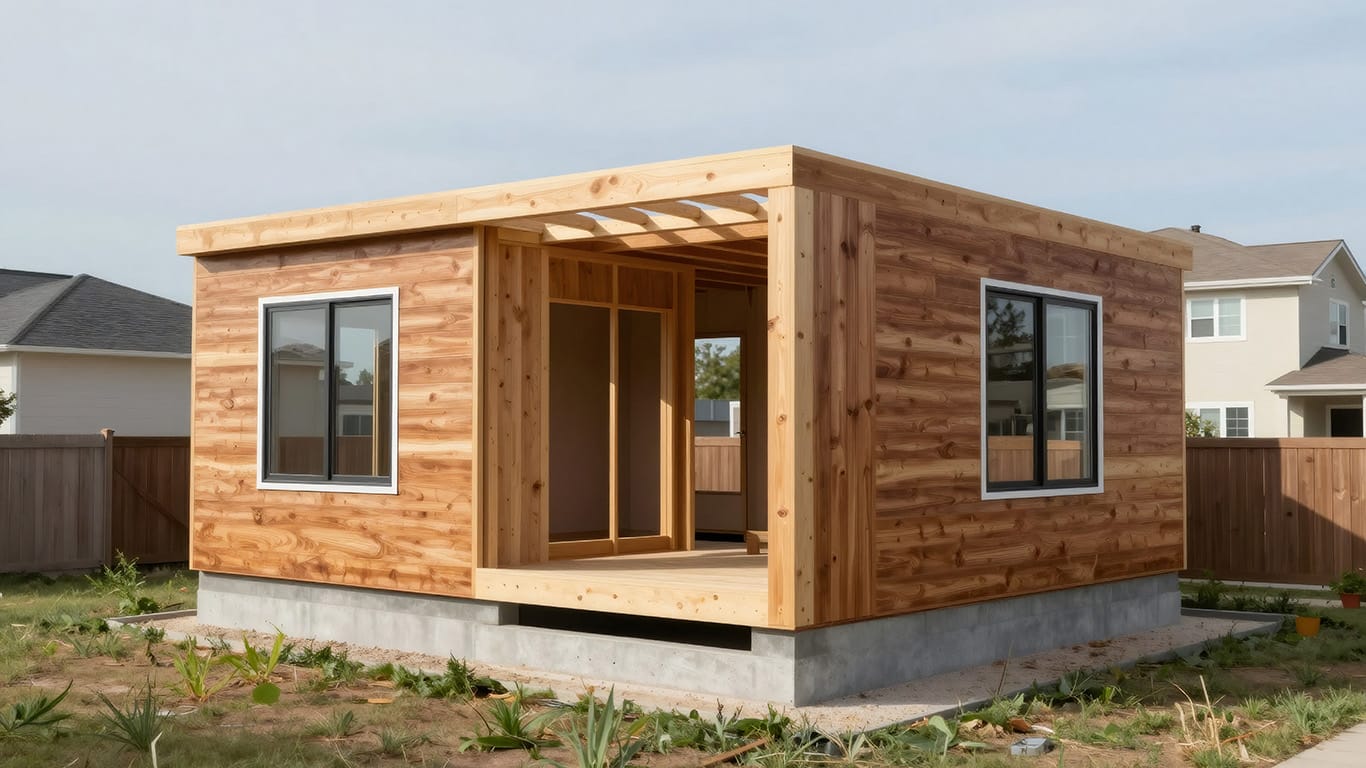
One of the most accessible approaches is an ADU, often called a casita or guest house in Arizona. It can provide a separate living space for an aging parent, adult child, or caregiver or potentially generate rental income. Depending on the property, it may be attached to the home, created by converting existing space, or built as a separate structure.
Arizona’s evolving ADU laws have brought these opportunities into sharper focus. State legislation requires qualifying municipalities to allow certain attached and detached ADUs on lots where single-family homes are permitted, subject to statutory requirements and exceptions. The number and size of units that may be allowed depend on the applicable law, local rules, and property conditions. Building and fire codes, drainage, utility requirements, and private restrictions may still matter. The law may open the door, but the property still has to work.
More than one way to unlock value

ADUs are only one option. Some owners may be able to split an oversized lot and create an additional homesite, provided zoning, subdivision rules, access, and infrastructure requirements are satisfied. Others may get more out of an existing property through a garage conversion, an addition, or a renovation. Certain sites may support a small-scale infill project with additional residential units.
Each strategy has different costs and regulatory demands. A lot split, for example, is not simply drawing a new line on a survey. Creating separate parcels does not automatically mean each can be independently developed, sold, or financed. The right approach is the one that produces the best value relative to cost, complexity, and risk—not necessarily the one that squeezes the most units onto a lot.
Zoning remains the gatekeeper
The first question is not just what a homeowner wants to build, but what the owner is legally entitled to build. Zoning determines permitted uses and standards such as setbacks, building height, lot coverage, and density. Depending on the project, parking, fire access, drainage, utility capacity, and subdivision requirements may also affect feasibility.
Rules vary across the Valley. Phoenix, Scottsdale, Mesa, Tempe, and unincorporated Maricopa County do not necessarily apply the same standards to similar properties. A recorded utility easement may limit the building area; sewer or water connections may require upgrades; and drainage conditions can affect the site plan. Homeowners should also review HOA rules and deed restrictions. Government approval does not automatically resolve private restrictions, and private approval does not replace required permits.
An early zoning and site review can identify constraints before an owner invests heavily in plans. A survey, preliminary utility review, and advice from a land use professional can help distinguish a realistic opportunity from an expensive dead end.
My advice is to spend a little money determining what is possible before spending a lot of money designing what you hope is possible. For many owners, the first investment should be in understanding the property before building on it.
More housing without losing the neighborhood
Additional homes can expand housing choices, support multigenerational living, and make better use of established neighborhoods. At the same time, neighbors may reasonably raise concerns about parking, traffic, privacy, building scale, drainage, and changes to the character of the street.
Good design helps. Building placement, landscaping, screening, access, and the relationship between new and existing structures can make a difference. The effects on property values are not uniform: an additional dwelling may create value for its owner, while impacts on nearby properties depend on the project and local market. More housing can broaden choices, although its effect on affordability depends on the amount of supply relative to demand.
Thoughtful planning can make it work. Neighborhoods can evolve without losing the qualities that make them attractive.
A trend with room to grow
I expect land maxing to remain part of the Phoenix real estate conversation as housing affordability, population growth, and the cost of acquiring land continue to shape development decisions. Evolving housing policies are encouraging owners to reconsider what may be possible within existing neighborhoods. This is not just an investor strategy: a homeowner adding a permitted casita for family is pursuing the same basic goal as an investor adding a rental unit, making better use of an existing asset.
The key is to understand the legal, physical, and financial constraints before committing to a project. Your property may have more potential than you realize, but potential is not the same thing as a permit or a profit. The best land-maxing project is not the one that packs the most buildings onto a lot. It is the one that turns underused land into lasting value.
Author: Adam Baugh is a land use and zoning attorney and partner at Withey Morris Baugh. He is an experienced problem-solver with a talent for removing obstacles that impede development.