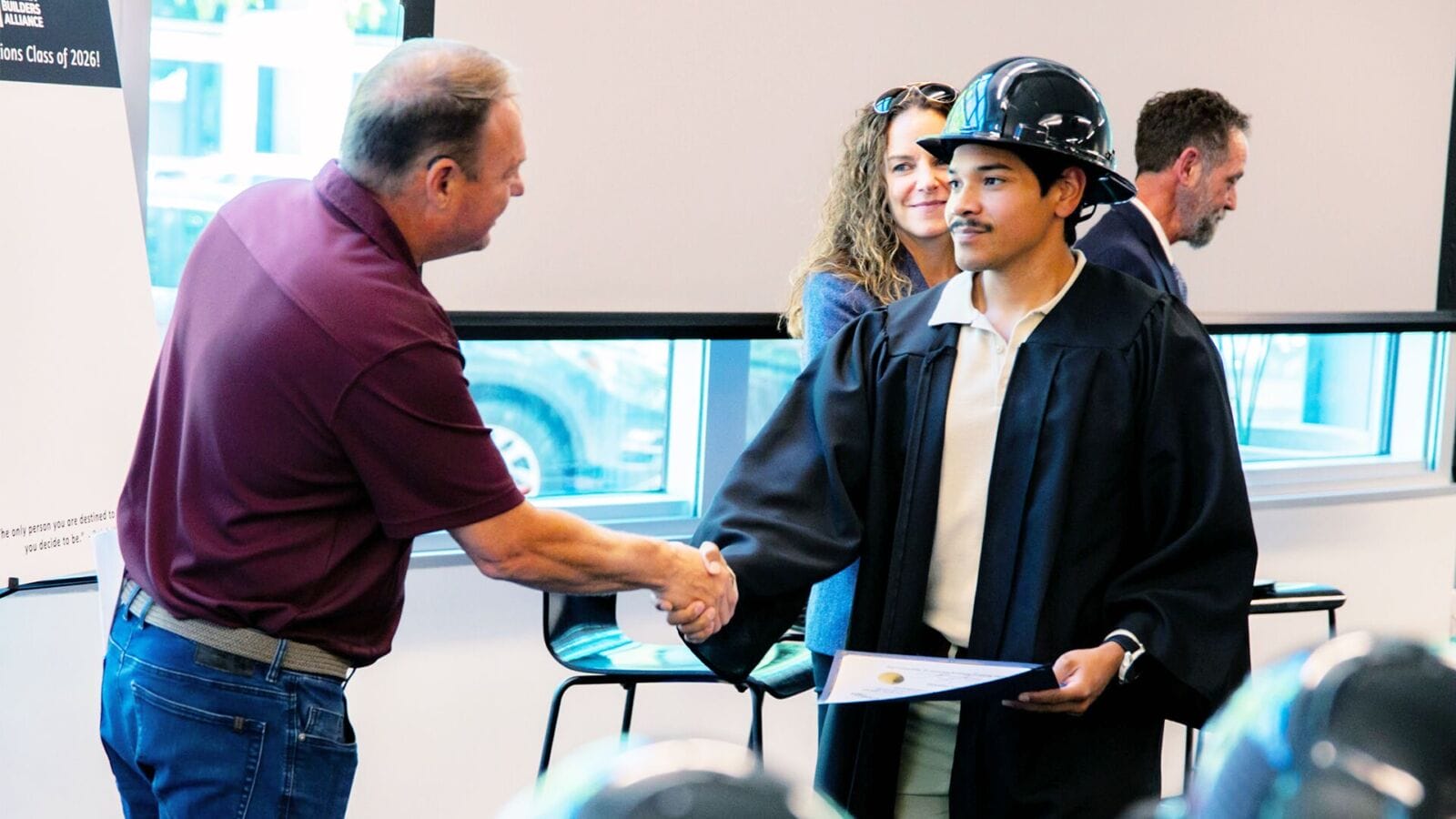
The construction sector’s talent pipeline is straining under the pace of Arizona’s current economic boom. Even before the state’s recent growth spurt began, the industry was grappling with a concerning trend — increasing numbers of the workforce reaching retirement age coupled with fewer young people entering the profession. This combination threatens to lengthen construction schedules and reduces the capacity for firms to take on projects at a time of historic expansion.
According to the Arizona Office of Economic Opportunity, the state needs to build its construction workforce to support an additional 20,000 jobs by 2030. Marion Hughes, business manager for Critical Air Technologies, is a member of the Arizona Builders Alliance’s Workforce Outreach Committee, which focuses on connecting the association with schools, career fairs and community events.
“I’ve heard the same story for 10 years — there’s a skilled labor shortage. We all knew this was coming,” she explains. “The reason I joined the committee was because the ABA said, ‘We’re going to approach this problem differently.’”
The goal is to move past acknowledging the workforce issue and take concrete steps to fix it. Hughes says that partnerships are crucial for this effort, so each member of the committee is assigned a community stakeholder to build relationships with.
“We’ll meet with directors of different programs to find out what they need and how we can help each other address this problem that affects the entire industry,” Hughes says.
DEEPER DIVE: How Silicon Desert is powering Phoenix industrial surge
READ MORE: SRP’s Karla Moran explains how industry support helps grid growth
As committee members make connections with different groups, they share information about hiring and training opportunities with the broader ABA membership. The Arizona Builders Alliance also offers educational training for industry professionals, whether they’re on the jobsite or in the boardroom.
Below, learn more about the impact these courses had on four ABA members’ careers.
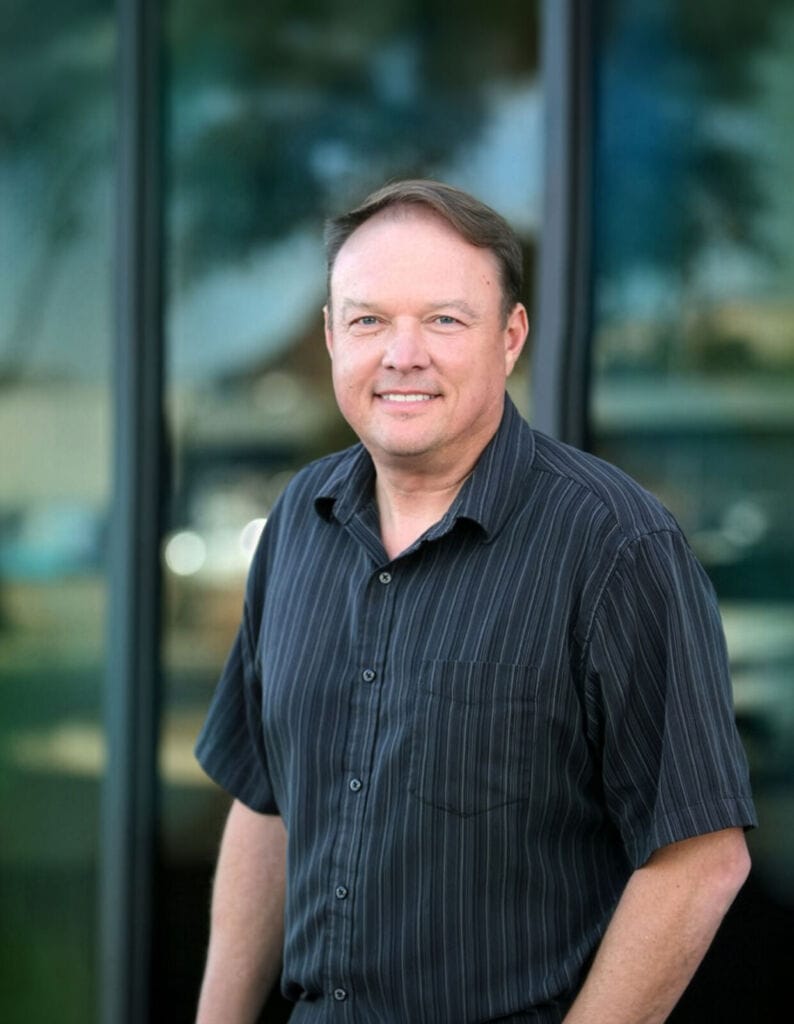
Commercial inspections lead, City of Phoenix
Lead instructor, ABA
AZRE: When did you first get involved in the ABA?
Mike Ornoski: I’m actually a product of the ABA. I graduated from the association’s electrical apprenticeship program in 1997. By the time I finished, I was an electrical foreman before I started my own business. I did that for almost six years and put three of my employees through the same ABA apprenticeship I was in. Fast forward a bit, and I wanted to give back to the ABA, so I decided to become their lead instructor.
AZRE: How has your experience been in the classroom?
MO: Once you become a supervisor out in the field, you’re basically training and mentoring everybody around you. So I’ve been doing it a long time, even now as an inspector for the City of Phoenix. I started teaching some compliance classes there, and then in 2018, I took over an apprenticeship class through the Independent Electrical Contractors. Eventually, this opportunity at the ABA opened up, and I jumped at it.
AZRE: What does the apprenticeship entail?
MO: The apprentices work for a member contractor to complete 8,000 hours of on-the-job training over four years. During that time, they come into to the classroom twice a week for two and a half hours to learn more of the technical skills and the National Electric Code, which is the building code adopted for all your jurisdictions. The main purpose for code is to protect people and buildings from electrical hazards that may exist, so we’re teaching our apprentices that when you’re installing, your role is to make sure that you’re installing a code compliant electric system, because everyone will assume that you did.
AZRE: How has the apprenticeship changed since you were involved?
MO: We all know there’s a major worfkorce shortage and we have the older generation retiring from the trades and the next generation coming in. When I was an apprentice, we had to go to the library to read up on code, then learn how to do something hands-on in the lab. Now, everything is at your fingertips and that’s what they’re used to. So, my No. 1 focus is helping them understand why they do what they do in the field. We want to make sure our apprentices understand that their job is essential and is very impactful. Electricians are in a high position of trust, and I want them to understand the legacy side of it.
AZRE: What do you mean by that?
MO: Being an electrician isn’t about showing up and putting a widget together. Everything you touch has a lifelong impact. Think about the fire alarm systems in the buildings. If there’s an emergency situation and the building loses power, it’s important that there’s backup power so first responders can come in and save people. Every project you touch, you leave a legacy.
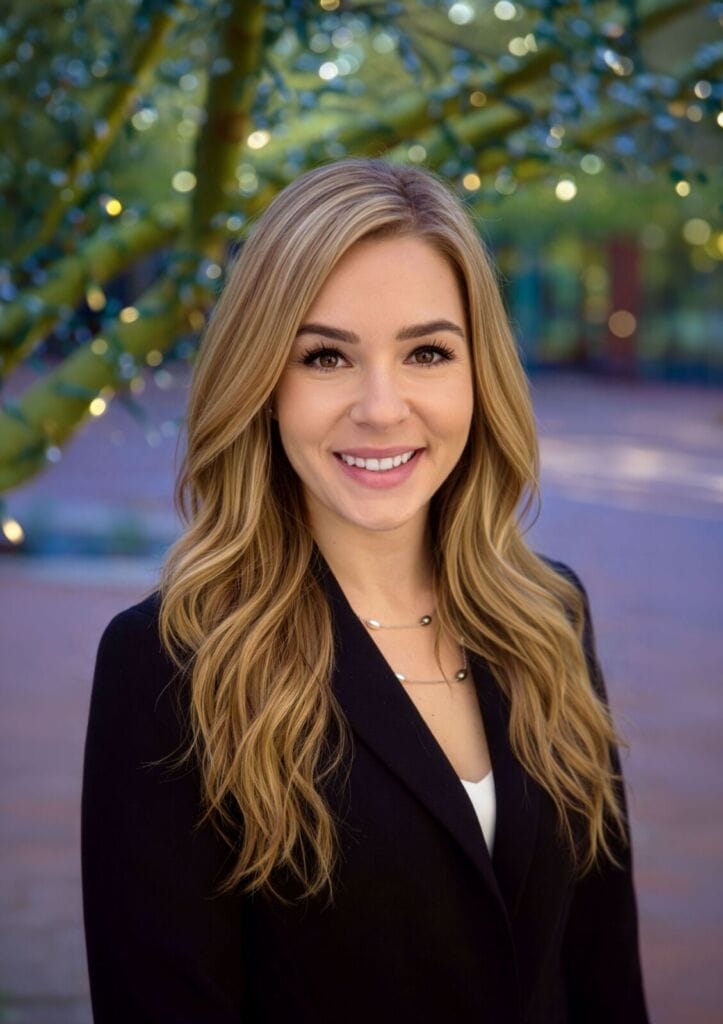
Director of business development,
Tempe Mechanical
AZRE: Can you talk about your career path and how you got involved with the ABA?
Julia Young: I’ve been in the construction industry for 12 years now, but my dad worked in HVAC, so I was exposed to the industry from an early age. When I started working at Tempe Mechanical, they didn’t have a person dedicated to marketing and business development, so I helped build up those functions.
That’s when I enrolled in some of the ABA’s continuous education courses, so I could learn more about the industry itself and build relationships. Putting yourself out there can be intimidating when you’re just starting out, but I discovered the Young Builders Council and thought I should give it a try.
AZRE: What drew you to the Young Builders Council?
JY: It was a welcoming group of people who were all my age, so it felt like the right place to be. I ended up joining the membership committee, eventually serving as its chair and now I’m the chair for the whole YBC. I’m happy to report that over the last 8 years I’ve been involved with the YBC, we’ve gone from about 100 members to 200 and counting. We’ve improved the branding and put a lot of effort into telling people what opportunities are available, like working on public speaking and touring different job sites.
AZRE: What are your biggest takeaways from your involvement with the YBC?
JY: Learning how to organize people, run meetings and delegate tasks had a big impact on me because those are all skills needed to be an effective leader. We ran the committee like its own little business where everyone had a role, which made it a more rewarding experience for all involved.
The other thing was meeting people who are further along in their careers. When you’re young, it means a lot when a leader encourages you to take on an opportunity you may not think you’re ready for. That really helped build up my confidence. If you’re trying to become a leader, the YBC will give you the tools and at least exposure to some of those opportunities, and it’ll also put you around people who are doing exactly what you’re doing.
AZRE: Did you meet any mentors through the YBC?
JY: I’ve had many, but Julia Staten was a huge mentor to me within YBC. She was one of our previous chairs and she encouraged me to take that next step. Her and Eric Espinosa were instrumental in the YBC. Eric helped us move into a more structured committee environment, which gave everyone a sense of direction. It’s funny because Eric and I ended up being in the Leadership Development Forum together as well. You build this synergy with people through the ABA, and when you get everyone in the same room with all these different skill sets, each of you get to play to your strengths. By doing that, you’re making the association a better place.
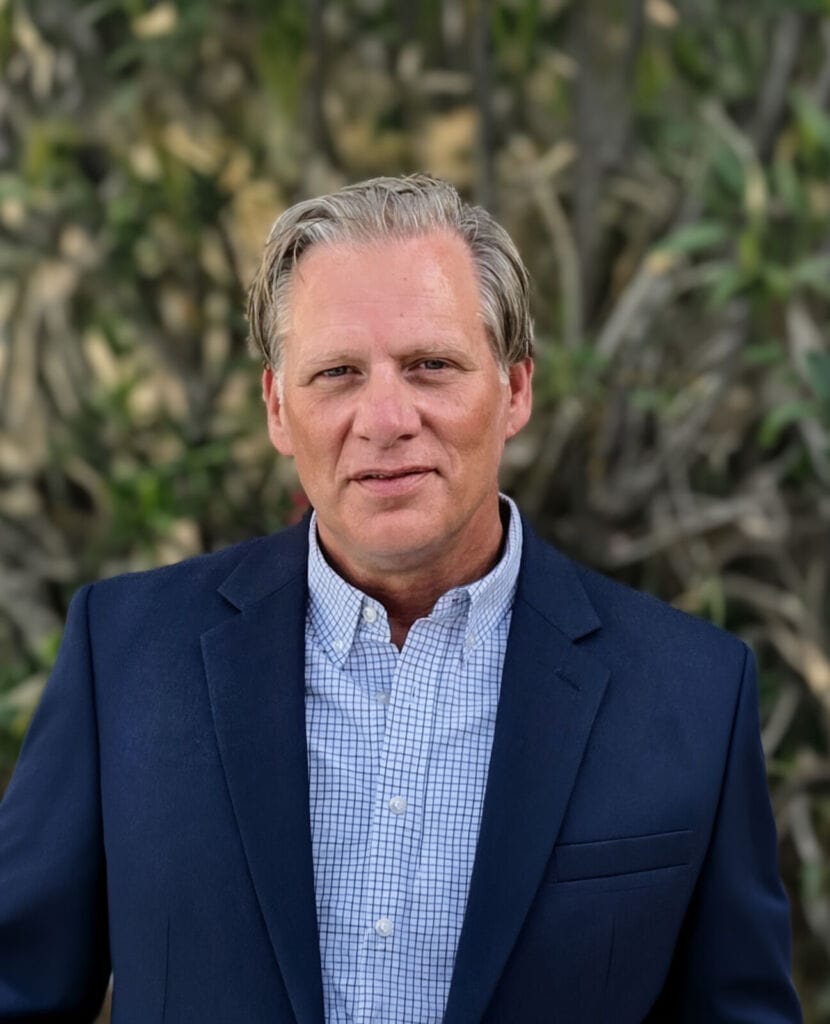
Personnel director,
Delta Diversified
AZRE: Tell us about your career path.
Jon Bohlken: I work for the electrical contractor Delta Diversified, and I started the same way most of our employees do — bending pipe and pulling wire, as we say in the business. Being a merit-based contractor, your ability to move up the ranks is determined by your own initiative, which always hit home for me. Our company is in a position where our supervisory personnel all started at the same level, and through their own ambition, were given additional responsibility.
I moved from doing installation to running smaller crews, before becoming a general foreman. I eventually took over as a project superintendent, and that’s where I started to make these personnel decisions. I was trying to figure out who would work best together on a crew to accomplish our goal.
AZRE: How are you able to make those determinations?
JB: Honestly, it was just a matter of getting to know the strengths and weaknesses of each member of the crew. Once I talked with them, I wanted to put them in a position to succeed, and everything just seemed to click for us on certain projects. Through that, I developed a reputation as someone who could put crews together that have the right chemistry. Really, there’s no shortcut to it — you have to take the time to get to know your people.
After several years of running projects, I took over for the previous personnel manager. The executives recognized that I have a talent for putting crews together, so they decided to bring me into the corporate office to do that for all the company’s jobs.
AZRE: How are you involved with the ABA?
JB: The association has an Education Trust Fund, and I chair that board. Basically, we go over budgetary issues for the electrical apprenticeship and pay the bills. It’s an invaluable program for the industry. As a company, Delta Diversified sponsors all eight semesters of tuition for everyone who gets accepted into the apprenticeship. It’s not easy — a lot of times, they’re working 10-hour shifts and then going to class two nights a week. We try to be as accommodating as possible for these people who are making sacrifices to improve themselves and get to a point where they can take on more responsibility.
The apprenticeship provides people with the knowledge that will separate them from someone that just knows how to perform installation. When you have that code knowledge, you can take your career in a lot of different directions. We have whole crews who come in after the installation is done to ensure everything is up to code, so quality control is just one other path the apprenticeship opens up.
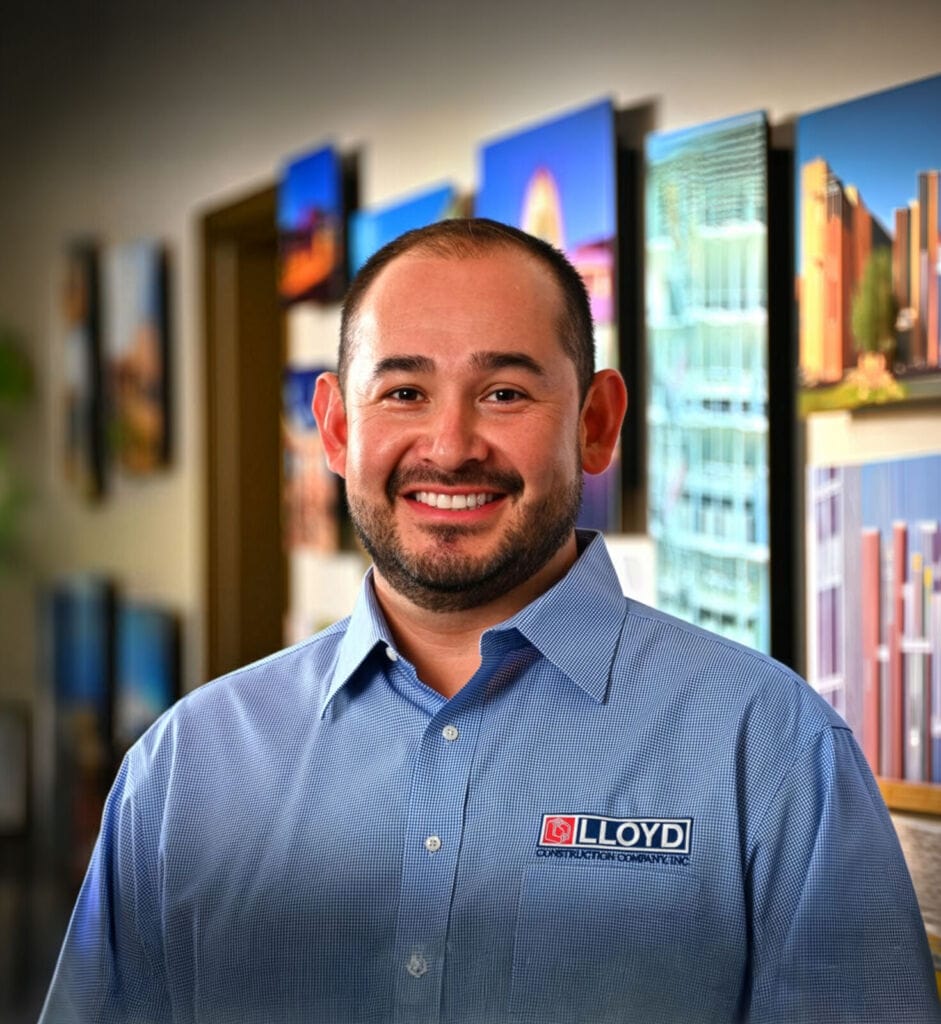
General manager
Lloyd Construction
AZRE: When did you get involved with the ABA?
Paul Pena: I’ve been with Lloyd Construction down here in Tucson going on 16 years, and the company has always been a key stakeholder in Southern Arizona part of the ABA. We hold the association in high regard, especially what they do on the advocacy side — what laws are changing, who the pro-construction candidates are and how to support a favorable piece of legislation being considered. The ABA is the glue that holds the building community together. When I go to an event, the room is full of our competitors, subcontractors and their competitors, which allows us to build camaraderie around our collective interest in the construction industry.
AZRE: Have you attended any of the association’s training classes?
PP: I’m currently enrolled in the Senior Executive Program, which is for people who have been in a leadership role for a while. Most of my cohort are project directors or higher within their companies.
AZRE: You mentioned before that one of the benefits of the ABA is bringing competitors into the same room. Does that hold true in the Senior Executive Program?
PP: Definitely. Overall, the program focuses more on the individuals in the room and less on the companies, so you’re getting to know your classmates on a personal level. Everyone has different struggles because the range of positions people have, but having the chance to learn together is the beginning of building those relationships.
AZRE: What are some takeaways you’ve had from the program?
PP: One of the big things was taking the time to learn how I operate and the influence that has on the team. Having more self-awareness within your leaderships role is a big theme of the course. From a more tactical perspective, one thing that jumps out is the importance of meeting with not just your direct reports, but the people who report to them. That might look like connecting with the project engineer to see how their doing and how you can help them out.
Taking that servant leadership approach shows people you’re there to support them even though they’re a couple positions separated from you. A check-in like that goes a long way in making people more excited about their work.
AZRE: Anything else you’d like to leave readers with?
PP: I’d just add that the quality of speakers in the Senior Executive Program is impressive. I’ve been through a lot of leadership courses, and there’s always a bit of skepticism on the first day — will this be a wise use of my time? But I’ve walked away from every class with plenty of insights that I can put to use immediately.