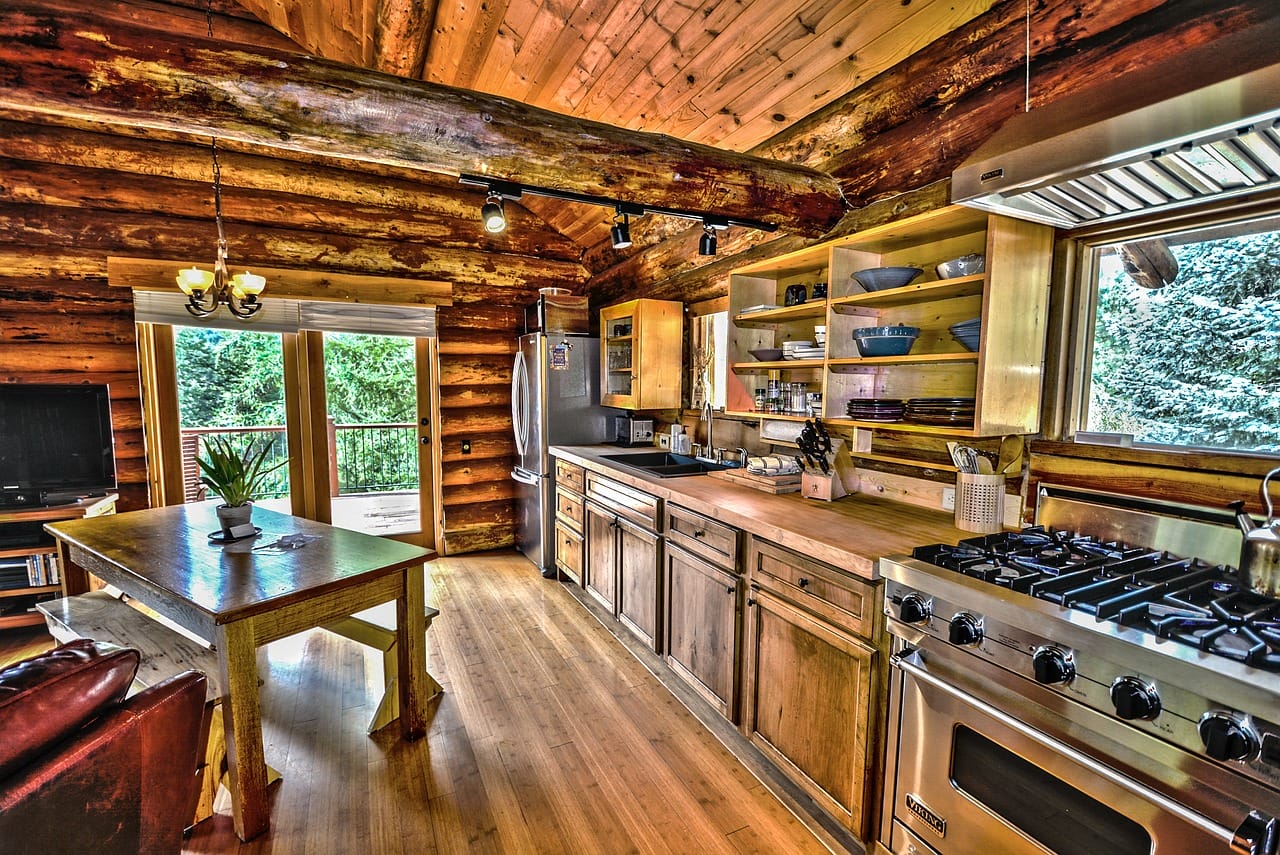
A remote cabin development begins with an attractive promise: comfortable accommodation close to nature. Delivering that promise requires more than choosing a floor plan and arranging delivery. Lighting, refrigeration, water pumping, connectivity, and housekeeping all need a practical power strategy. For developers and retreat operators, the useful starting point is a coordinated brief that connects the accommodation package with the services guests will actually use.
That brief should distinguish normal operation, temporary construction needs, and interruptions. Each situation creates a different purchasing decision. Treating them separately helps a project team avoid buying equipment around an incomplete picture of the site.
Define the Guest Experience Before the Equipment
Begin with the intended stay. A weekend retreat for couples has different expectations from accommodation marketed to families or remote workers. List the amenities included in the nightly rate, then identify which must remain available during a power interruption.
Translate broad promises into operating requirements. Does every cabin have a refrigerator? Is hot water electric? Will guests expect air conditioning throughout the night? Is water delivered by a shared pump? Record these choices before requesting electrical proposals. An omitted amenity can change both the cabin specification and the infrastructure budget after orders are placed.
Coordinate the Cabin Package With Site Services
Building procurement and utility planning should share the same drawings. When reviewing prefab glamping cabins, such as those presented by DeepBlue Smarthouse, use the layouts to identify bathroom locations, kitchen equipment, and likely service entry points. Then ask what the quoted package includes and what must be completed locally.
Create a responsibility schedule covering internal wiring, distribution boards, external connections, foundations, and commissioning. Assign each item to a named contractor or supplier. Include the exact drawing revision in purchase documents so that a later kitchen change does not leave the electrical team working from an obsolete plan.
Reserve accessible routes for service connections and maintenance. A carefully furnished interior is harder to modify once walls and cabinetry are finished.
If the development will open in phases, mark the first operating area and the later expansion on the same plan. Ask how new cabins will connect without interrupting occupied units. Keep space for future distribution equipment and document any capacity reserved for expansion. This gives the initial purchasing team a concrete boundary: which works are needed for opening day, which provisions are included now, and which equipment will be purchased only when the next phase proceeds.
Build a Load Schedule Around Real Use
Give the electrical designer an appliance schedule rather than a rough estimate based on cabin area. Record each appliance, its nameplate information, expected operating hours, and whether several units are likely to operate together. Separate individual cabin loads from shared facilities such as reception, laundry, and water services.
Describe operating scenarios as well. A full evening arrival, a quiet weekday, and a housekeeping shift may produce different demand patterns. Equipment selection should reflect the scenarios the business intends to support.
Ask the designer to identify motor starting requirements and other short demand peaks. Keep the assumptions visible in the final proposal. That makes future additions easier to assess and gives competing bidders a consistent basis for their calculations.
Give Backup Power a Specific Job
Decide whether backup power is intended to support essential services, selected cabins, or the entire development. These are different scopes. A written priority list might put communications and water services ahead of guest cooking appliances, depending on the operating plan.
For the equipment shortlist, KEMAGE generators provide a relevant manufacturer reference, with gasoline, diesel, and inverter generator categories presented on the company’s website. Compare individual models against the project brief rather than assuming that a category name establishes suitability. Request rated output, available voltage and frequency, connection details, and documentation for the destination market.
Have the electrical contractor define the connection and changeover arrangement. Include installation, operator training, and commissioning in the purchasing scope. A generator quotation alone does not describe a complete backup system.
Protect the Atmosphere Guests Are Paying For
Show guest cabins, outdoor seating, service areas, and equipment locations on one site plan. Review sound expectations alongside maintenance access and the manufacturer’s installation requirements. Describing equipment as silent is not a substitute for reviewing its published acoustic data and the conditions under which those figures were measured.
Ask bidders to explain how their proposed location supports the intended operating hours. A retreat promising peaceful evenings needs an operational plan consistent with that promise.
Keep routine servicing away from the guest arrival route where practical. Include access for technicians, equipment replacement, and deliveries. These details affect everyday operations long after the construction team has left.
Compare Complete Project Costs
Use the same scope sheet for every proposal. For accommodation, distinguish the building package from transport, unloading, foundations, assembly, and external services. For power equipment, distinguish purchase price from installation, connections, commissioning, routine servicing, and consumables.
Prepare an operating budget using the supplier’s documented consumption information at relevant loads and the site’s expected operating schedule. Avoid treating a headline runtime as a forecast for a different pattern of use. Record assumptions about occupancy, equipment use, and maintenance visits beside the budget.
Also ask how replacement parts will reach the site. Identify service contacts, required lead times, and the records needed for support. A remote location makes the logistics of a minor repair part of the buying decision.
Test the Operating Plan Before Opening
Before accepting guests, arrange a commissioning exercise with the responsible contractors. Run the agreed operating scenarios, confirm which services remain available during a planned interruption, and record any restrictions that staff must understand. Verify the installed arrangement against the approved documents.
Create a concise handover pack with drawings, equipment manuals, service contacts, maintenance tasks, and escalation instructions. Train more than one staff member so that routine operation does not depend on a single person being present.
Reliable remote accommodation starts with clear decisions made together: what guests receive, what the cabin package contains, and how site services support it. Use that shared brief to coordinate suppliers before committing to production and installation.