Purchasing a vacation property represents a significant financial milestone and a major lifestyle upgrade. For many real estate investors and second-home buyers, the decision often comes down to geography and climate. Two of the most sought-after environments in the United States are mountainous ski towns and warm desert regions. Each offers distinct advantages, unique maintenance requirements, and different avenues for generating rental income.
Choosing the right location requires a careful analysis of your personal preferences and your long-term financial goals. A property blanketed in snow appeals to winter sports enthusiasts, while a sun-drenched desert oasis attracts those seeking year-round warmth and outdoor leisure. Both markets have proven track records for property appreciation and robust tourism demand.
Understanding the specific dynamics of these two distinct real estate markets is essential for making an informed investment. This guide examines the financial, practical, and lifestyle factors associated with buying a vacation home in a high-altitude ski town compared to a desert climate.
The Appeal of Ski Town Real Estate
Mountain destinations draw millions of visitors annually, driven primarily by the allure of alpine sports, stunning scenery, and a cozy winter atmosphere. Investing in a ski town provides access to premium real estate markets that often hold their value exceptionally well due to limited development space and high demand.
Strong Seasonal Rental Income
Ski towns typically experience a highly concentrated peak season. During the winter months, property owners can command premium nightly rates. Locations like Durango, CO, offer world-class winter sports along with historic charm, drawing a steady stream of affluent visitors. Furthermore, many mountain towns have successfully transitioned into dual-season destinations. Summer activities like mountain biking, hiking, and fly fishing help property owners generate supplementary income during the warmer months, rounding out the annual yield.
Property Maintenance in Alpine Environments
Owning a home in a cold climate introduces specific maintenance challenges. Freezing temperatures require strict winterization protocols to prevent burst pipes and structural damage. Snow removal is a recurring expense, as driveways and roofs must be cleared regularly to ensure safe access and prevent ice dams. Property owners must factor these seasonal upkeep costs—along with potentially higher insurance premiums for weather-related risks—into their operating budgets.
The Draw of Desert Climates
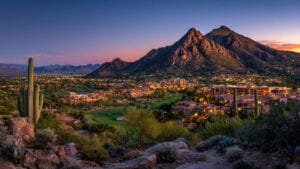
For buyers looking to escape harsh winters, desert climates offer a highly attractive alternative. Markets such as Las Vegas, Nevada, and various cities across Arizona boast abundant sunshine, world-renowned golf courses, and a thriving hospitality sector. These regions have seen substantial population growth and real estate development over the past decade.
Extended Rental Seasons and Snowbird Appeal
Unlike the condensed winter peak of a ski town, desert markets often enjoy a prolonged high season. The influx of “snowbirds”—temporary residents relocating from colder northern states or Canada—creates sustained rental demand from late fall through early spring. Las Vegas, in particular, benefits from year-round tourism driven by conventions, entertainment, and culinary attractions. This consistent visitor traffic can lead to stable, predictable rental income across multiple quarters.
Managing Heat and Sun Exposure
Desert properties require a different set of maintenance priorities. The intense summer heat places significant strain on heating, ventilation, and air conditioning (HVAC) systems. Regular servicing of cooling units is mandatory to ensure tenant comfort and prevent costly emergency repairs. Additionally, prolonged UV exposure can accelerate the deterioration of exterior paint, roofing materials, and outdoor furniture. Properties with swimming pools also necessitate consistent chemical balancing and cleaning, which adds to the monthly carrying costs.
Evaluating Financial and Lifestyle Factors
Before finalizing a purchase, buyers must evaluate the broader financial landscape of their chosen market. Property taxes vary significantly by state and county. Nevada, for example, is known for its favorable tax environment, which can lower the overall cost of ownership. Conversely, highly sought-after mountain enclaves often carry elevated property tax rates to support local infrastructure and services.
Homeowners Association (HOA) fees are another critical consideration. Many vacation homes in both ski resorts and desert communities are located within managed developments. These associations typically handle exterior maintenance, security, and communal amenities. While HOAs simplify remote ownership, their monthly dues can impact the net profitability of a rental property. Buyers should review HOA covenants carefully to ensure short-term rentals are permitted, as some communities impose strict leasing restrictions.
Making Your Real Estate Investment Decision
Selecting between a ski town and a desert climate ultimately depends on your strategic objectives. If your goal is to maximize peak-season rental rates while enjoying winter sports, a mountain property provides an excellent avenue for investment. Conversely, if you prefer consistent, year-round demand and a warmer climate, the desert markets of Arizona or Nevada are highly compelling.
To take the next step, partner with a specialized local real estate agent who understands the nuances of vacation rentals in your target market. They can provide historical rental data, recommend reliable property management companies, and help you navigate local zoning laws to secure a property that meets both your lifestyle desires and your financial targets.