Phoenix’s industrial real estate market entered 2026 with strong momentum, fueled by innovation-driven economic growth, major semiconductor investment and steady demand from logistics and advanced manufacturing companies, according to a report from Kidder Mathews. While construction activity has slowed, leasing activity and absorption levels suggest the Valley’s industrial sector remains one of the most dynamic in the nation.
DEEPER DIVE: Overflow crowd celebrates winners of the 2026 RED Awards
INDUSTRY INSIGHTS: Want more news like this? Get our free newsletter here
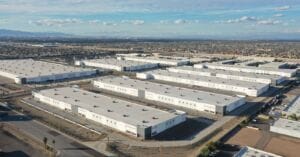
During the first quarter of 2026, total lease transactions reached an impressive 7.5 million square feet, while direct net absorption totaled 4.4 million square feet, signaling healthy tenant demand across the metro area. Markets including Glendale, North Chandler/Gilbert and Goodyear led the way, benefiting from strong expansion activity tied to manufacturing and distribution.
One of the most notable shifts in the market is the slowdown in new industrial construction. Deliveries totaled only 1.2 million square feet, representing an 82% year-over-year decrease. Rather than signaling weakness, the slowdown reflects a market adjusting after several years of rapid development. Developers and investors are now focusing on absorbing existing inventory before launching new projects.
At the same time, vacancy rates are tightening. The total vacancy rate declined to 12.4%, down 120 basis points year over year, while availability dropped to 14.4%, marking a 150-basis-point decrease. Industrial rents also continued to climb, with direct asking rents for spaces larger than 10,000 square feet increasing 5% year over year to $1.18 per square foot triple net.
Much of the Valley’s industrial growth is being driven by Arizona’s rapidly expanding technology ecosystem. The state has become a national hub for semiconductor manufacturing, ranking No. 1 in the country with more than 60 industry expansions since 2020. Arizona also leads the nation in international investment, with more than $195.7 billion announced during that time.
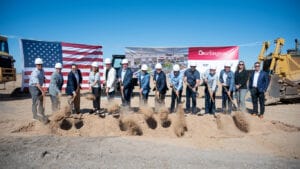
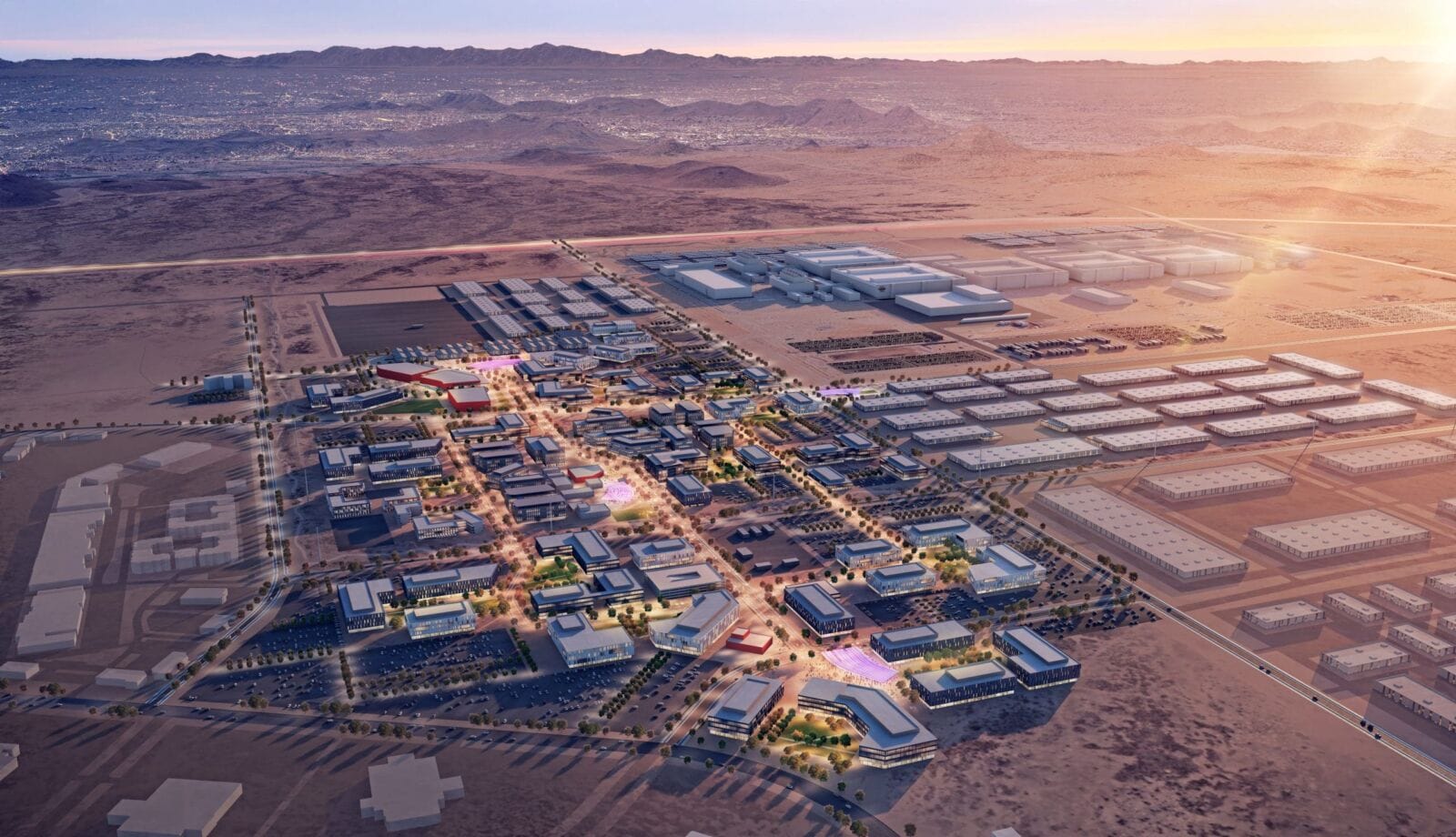
That momentum is accelerating with the groundbreaking of the $7 billion Halo Vista mixed-use development, which will support thousands of jobs tied to the growing semiconductor supply chain around Taiwan Semiconductor Manufacturing Company’s facilities in North Phoenix.
Looking ahead, industrial vacancy rates are expected to continue declining throughout the remainder of 2026. However, West Phoenix remains a hotbed for new warehouse development, which could modestly increase space under construction in the near term.
Overall, the outlook for Phoenix’s industrial real estate market remains bright. With strong leasing activity, rising rents and billions in technology-driven investment, the Valley continues to solidify its reputation as one of America’s most powerful engines for industrial growth.