For decades, Phoenix grew by stretching farther into the desert. New master-planned communities appeared where farmland once stood, and buyers expected larger homes, larger lots and a longer drive to everything. That version of Phoenix isn’t disappearing, but it is no longer the only story.
MORE NEWS: Arizona earns 19 Michelin Guide selections in inaugural Southwest Guide
Today, one of the biggest shifts I see isn’t happening on the edge of the Valley. It’s happening in the neighborhoods people already know. Older commercial centers are being reimagined. Long overlooked properties are finding new life. Buyers who once prioritized square footage are placing greater value on convenience, accessibility and location.
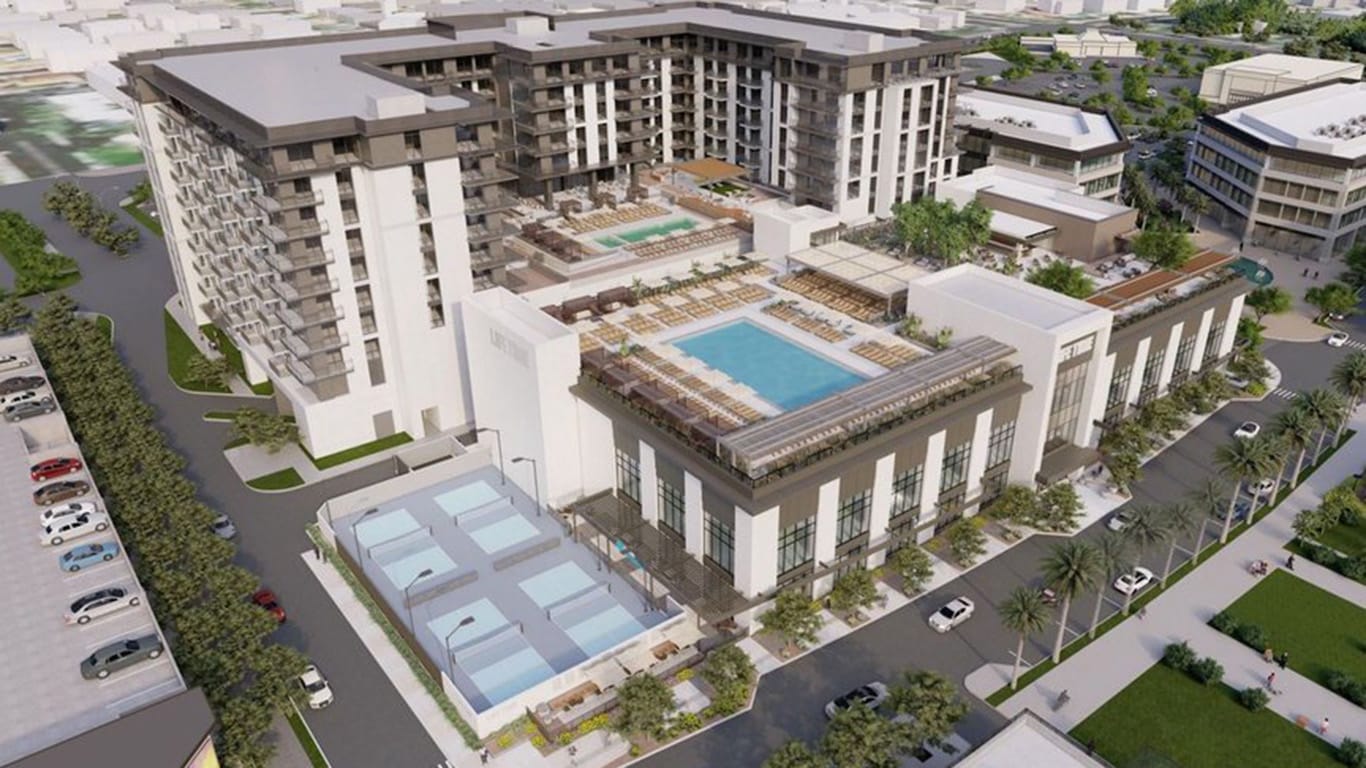
Phoenix is entering a different stage of its evolution. You can see it in major redevelopment projects such as Paradise Valley Mall, Metrocenter, Fiesta Mall and Park Central Mall. These aren’t simply retail centers getting a facelift. They’re becoming mixed-use districts where people can live, work, shop and spend time without relying on a long commute for every part of daily life. It’s a shift accelerating across the Valley’s core neighborhoods.

Walkability has become more valuable. So have restaurants, fitness studios, coffee shops, offices and everyday services that are only a short walk or drive away. Younger buyers appreciate the lifestyle. Empty nesters often want the same thing. Many homeowners no longer want the upkeep of a large property, without sacrificing quality. Builders are responding accordingly.
We’re seeing more thoughtfully designed condominiums, townhomes and mixed-use communities that make better use of existing land with greater density. The goal isn’t simply to add more housing. It’s to create neighborhoods that feel connected and support the way people live today.
State legislation is also accelerating this transition. Arizona’s recent housing laws make it easier for cities to accommodate accessory dwelling units and, in certain areas, additional housing types on lots that historically held only one home. These changes won’t transform neighborhoods overnight, but over time they will increase housing opportunities in places where infrastructure, employment and services already exist.
While higher density can create concern for some, it also brings advantages. More residents help support local businesses. Transit becomes more viable. Infrastructure investments make greater economic sense. Communities become more active throughout the day instead of only during commuting hours.
Technology is reinforcing many of these trends. Ride-sharing, food delivery and expanding autonomous vehicle services are reducing the need for every household to depend on multiple cars. Parking still matters, but it’s no longer the deciding factor in where people choose to live.
We’re also seeing a growing preference for what many call a lock and leave lifestyle. This isn’t limited to retirees or seasonal residents anymore. Busy professionals, executives and frequent travelers increasingly value a home they can secure and leave behind without worrying about extensive maintenance. Even some affluent buyers are choosing to rent for a period of time, taking advantage of generous apartment incentives while they watch the for-sale market and wait for the right long-term opportunity. That flexibility is redefining what ownership looks like.
Not surprisingly, some of the Valley’s most established urban neighborhoods are commanding higher prices per square foot than they did a decade ago. I don’t see that as a temporary trend. I see it as evidence that buyers are placing a premium on location, convenience and lifestyle in ways they haven’t before.
Phoenix will continue to grow outward. There will always be demand for suburban communities and new construction on the edges of the Valley. But I believe the next chapter of our housing market will be defined by how we reinvent the places we already have.
The future of Phoenix isn’t just about adding more homes. It’s about building neighborhoods connected enough that people no longer have to choose between space and convenience.
Author: Keith Mishkin is the president and CEO of Cambridge Properties.