Metal roofing has become a popular choice for homes and commercial buildings throughout Seattle. The local climate brings frequent rain, cool temperatures, and occasional warm summer days, making roof performance an important factor in energy use. A well-built metal roof provides reliable protection while helping maintain a comfortable indoor environment. It also reduces the amount of energy needed for heating and cooling when installed correctly. Modern metal roofing comes in different colors, styles, and finishes that suit many types of properties. With its combination of durability and energy-saving features, metal roofing offers long-term value for property owners who want to lower utility costs.
Reflective Coatings Keep Buildings Cooler
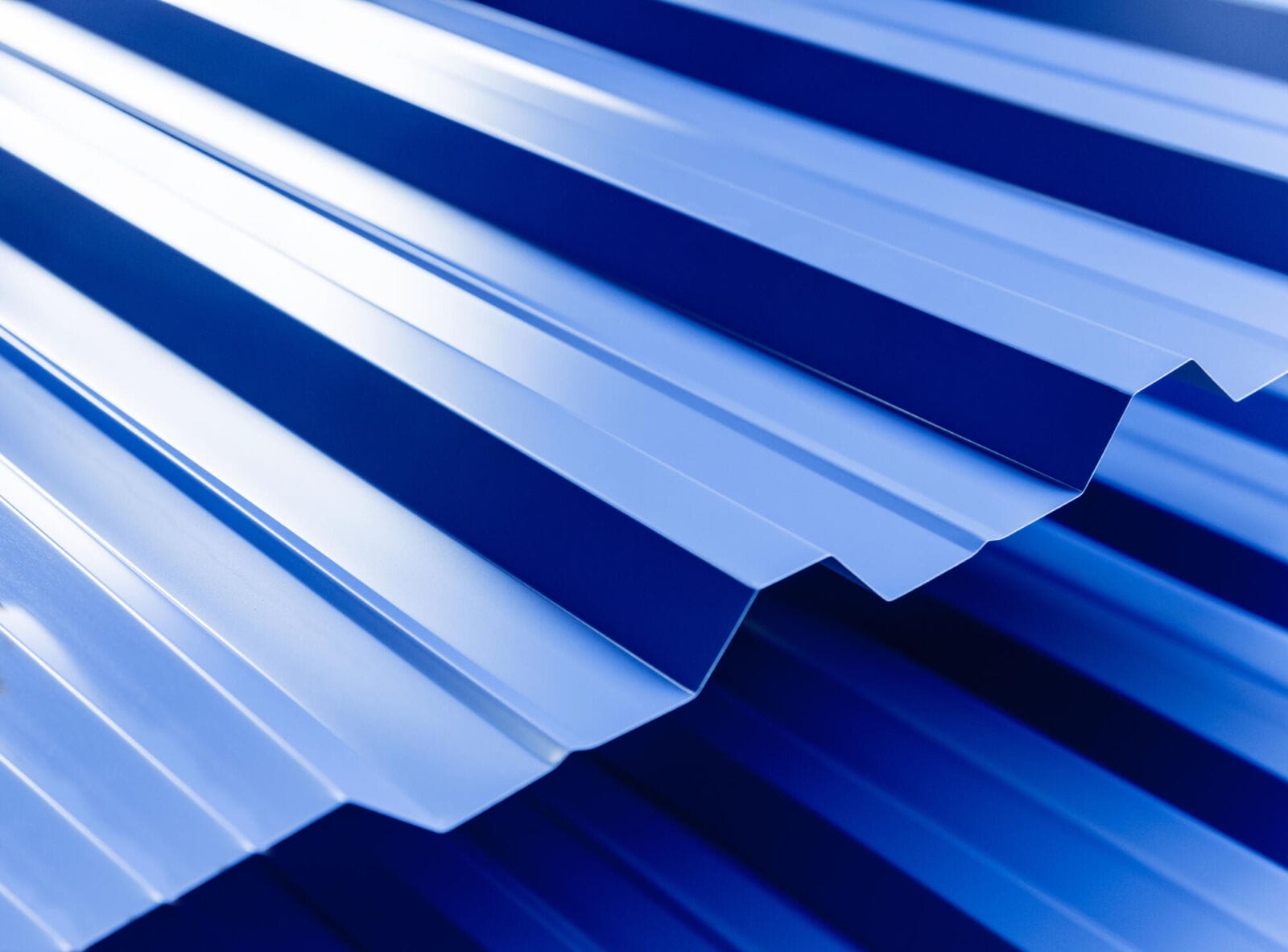
Seattle metal roofing options are available with reflective coatings that reduce the amount of solar heat absorbed by the building. Instead of trapping heat, these surfaces reflect a large portion of sunlight away from the roof. This helps keep indoor spaces cooler during warmer days in Seattle. Air conditioning systems can maintain comfortable temperatures with less effort, which reduces electricity use. Over time, lower cooling demand can result in noticeable savings on monthly energy bills.
Proper Insulation Improves Indoor Comfort
- Metal roofing works effectively with quality attic insulation to maintain steady indoor temperatures.
- Warm air stays inside during the colder months, helping reduce heating costs.
- Cool air remains indoors during summer, allowing cooling systems to work more efficiently.
- Better insulation reduces sudden temperature changes from one room to another.
- A properly insulated roof creates a more comfortable home while supporting year-round energy efficiency.
Roof Ventilation Supports Better Performance
Proper ventilation is another important part of an energy-efficient roofing system. Good airflow allows hot air to leave the attic instead of becoming trapped inside the home. It also helps control moisture that could reduce the effectiveness of insulation. Dry insulation performs better and lasts longer, which supports consistent indoor comfort. Together, ventilation and metal roofing create a roofing system that performs efficiently throughout the year.
Long Service Life Adds More Value
- Metal roofs usually last much longer than many traditional roofing materials.
- Fewer replacements reduce construction waste and lower long-term ownership costs.
- Many metal roofing products contain recycled materials and can be recycled after years of service.
- Strong resistance to moisture, wind, and changing weather reduces repair needs.
- A durable roof provides dependable performance while supporting long-term energy savings.
Lower Utility Bills Throughout the Year
Energy efficiency benefits continue during every season. Reflective finishes help reduce heat gain during warmer weather, while insulation keeps indoor warmth from escaping during colder months. Heating and cooling equipment operate more efficiently because indoor temperatures remain more stable. This reduces unnecessary energy use and may extend the life of HVAC systems. Property owners benefit from greater comfort while spending less on monthly utility bills.
Seattle metal roofing is an excellent choice for Seattle property owners who want better energy efficiency and dependable performance. Reflective coatings, quality insulation, proper ventilation, and long-lasting durability all work together to reduce energy consumption throughout the year. These features help maintain comfortable indoor temperatures while lowering heating and cooling costs. Metal roofs also require less frequent replacement, making them a practical investment with long-term value. In addition, their ability to handle Seattle’s changing weather provides peace of mind through every season. Homeowners and business owners who invest in professional installation and quality materials can enjoy improved comfort, lower utility bills, reduced maintenance needs, and reliable roof performance for many years.