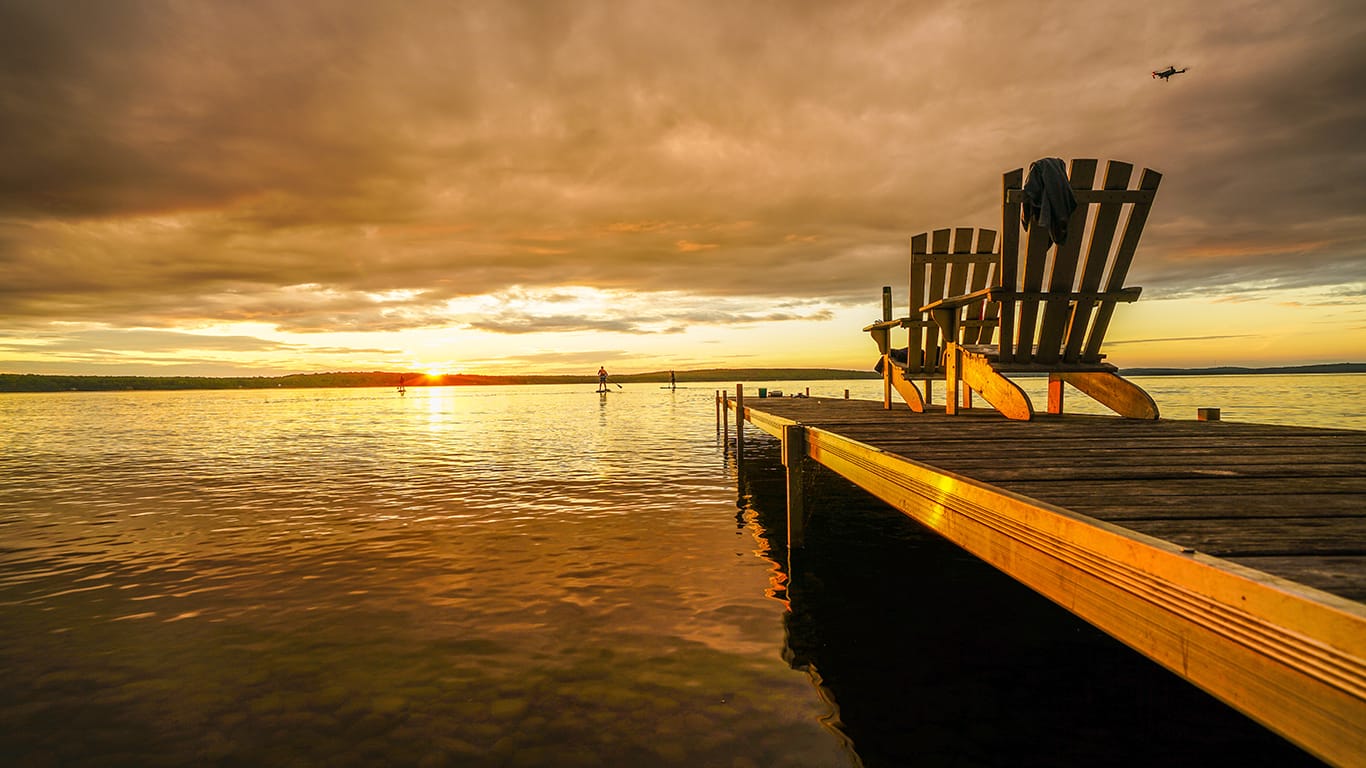
Buying a cottage in the Haliburton Highlands is a dream for many people, and it is easy to understand why. The region offers pristine lakes, quiet forests, star-filled skies, and a slower pace of life that feels worlds away from the city. But the emotional pull of a beautiful waterfront property can also cloud judgment. In the excitement of imagining lazy summer afternoons on the dock, buyers frequently overlook practical details that turn out to matter enormously once the papers are signed.
A cottage is not just a vacation home; it is a property with its own unique set of considerations that differ significantly from a typical suburban house. Water access, septic systems, seasonal roads, and shoreline regulations are just a few of the factors that catch inexperienced buyers off guard. If you are browsing haliburton cottages for sale, approaching each viewing with a critical eye will save you from costly surprises and help you find a property you will love for decades. Here are ten things buyers often miss and why each one deserves your close attention.
1. The True Quality of the Waterfront
Waterfront is usually the number one reason people buy a cottage, yet not all shorelines are created equal. Two properties on the same lake can offer wildly different water experiences. Look carefully at the lake bottom near the shore. Is it sandy and swimmable, or is it muddy, weedy, or rocky? A shallow, weedy shoreline may be great for wildlife but frustrating for swimming, while a steep drop-off might be unsafe for young children.
Also consider the exposure. A south or west-facing shoreline typically gets more sun and better sunsets, while a shaded north-facing lot can feel cool and dark. Pay attention to how the water looks and moves, and if possible, visit at different times of day. The waterfront that looks magical in a listing photo may reveal important limitations up close.
2. Water Depth and Levels Throughout the Season
Lake levels can fluctuate dramatically between spring and late summer, and a dock that sits comfortably over deep water in June may be stranded above mud by August. Ask about seasonal water level changes and whether the lake is a natural or a managed reservoir, since dam-controlled lakes can experience significant drawdowns.
This detail affects everything from swimming and boating to the long-term stability of your shoreline. A buyer who views a cottage only in spring might have no idea that their prized swimming spot becomes unusable later in the year. Whenever possible, gather information about the lake’s behavior across the full season before committing.
3. Septic System Condition and Location
Cottages rarely connect to municipal sewer systems, which means most rely on a septic system. This is one of the most expensive and disruptive components to replace, and a failing system can cost tens of thousands of dollars to fix. During your viewing, ask when the septic was installed, when it was last inspected, and where the system and its drainage field are located.
An aging or improperly maintained septic system is a serious red flag. Similarly, systems that are too close to the water may not meet current regulations, which can create complications if you ever want to renovate or expand. Always insist on a professional septic inspection before finalizing any purchase.
4. The Water Source and Its Reliability
Just as important as where wastewater goes is where your fresh water comes from. Many cottages draw water directly from the lake, while others rely on drilled or dug wells. Each option has implications for water quality, safety, and year-round usability. Lake water systems, for instance, may need to be drained and shut down over winter, and they typically require filtration and treatment for safe drinking.
Ask about the water system in detail, including any treatment equipment, past water quality tests, and whether the supply is adequate for your intended use. A property that cannot reliably provide clean, safe water is a far bigger problem than most first-time buyers anticipate.
5. Road Access and Winter Maintenance
The way you reach a cottage matters a great deal, especially if you plan to use it year-round. Some properties sit on private or seasonal roads that are not maintained by the municipality, meaning snow removal and upkeep fall to the owners, often through a shared road association with annual fees. Others may only be accessible by water, which is charming in summer but impractical the rest of the year.
Before you fall in love with a remote property, understand exactly how you will get there in every season. Ask about road maintenance responsibilities, associated costs, and whether the route is passable in winter. What feels like a peaceful escape in July can become an isolating challenge in January.
6. Insulation and Four-Season Usability
Many cottages were originally built as summer retreats and are not designed for cold-weather use. If you envision cozy winter weekends by the fire, verify that the building is properly insulated and equipped with a reliable heating system and plumbing that will not freeze. A three-season cottage can sometimes be upgraded, but the cost and complexity of doing so can be substantial.
Check the windows, walls, and foundation for signs of adequate insulation, and ask about heating sources and their efficiency. Understanding whether a cottage is genuinely four-season or simply marketed that way will prevent disappointment and unexpected renovation expenses down the line.
7. Shoreline Regulations and Restrictions
Waterfront properties are subject to environmental rules that govern what you can and cannot do near the water. There may be restrictions on building or renovating close to the shoreline, removing trees, altering the natural landscape, or adding structures like boathouses and decks. These regulations exist to protect the lake, but they can significantly limit your plans.
If you have specific renovations or additions in mind, research the applicable rules before you buy. A property that seems perfect for your dream expansion might be tightly constrained by conservation and zoning requirements. Knowing the limits in advance ensures your vision is actually achievable.
8. Signs of Water Damage, Pests, and Structural Issues
Cottages, particularly older ones, are vulnerable to moisture, mold, and pests due to their natural surroundings and periods of vacancy. During your viewing, look carefully for water stains, musty odors, soft spots in floors, and evidence of rodents or insects. Check the roof, foundation, and any crawl spaces for signs of trouble.
Because many cottages sit empty for long stretches, small problems can go unnoticed and worsen over time. A thorough home inspection by someone familiar with rural and waterfront properties is essential. What appears rustic and charming on the surface may be hiding expensive structural concerns underneath.
9. The Full Cost of Ownership
The purchase price is only the beginning. Owning a cottage comes with ongoing expenses that buyers frequently underestimate, including property taxes, insurance, utilities, maintenance, road association fees, and the cost of seasonal opening and closing. Waterfront insurance in particular can be higher than expected, and remote properties may face additional service costs.
Before committing, create a realistic budget that accounts for all of these recurring expenses. A cottage that seems affordable at the listing price can become a financial strain once the true cost of ownership becomes clear. Understanding the complete picture helps you buy with confidence rather than regret.
10. The Character of the Lake and Community
Finally, remember that you are not just buying a building; you are buying into a lake and a community. Some lakes are busy and full of motorboats and personal watercraft, while others are quiet and restricted to non-motorized use. The vibe of the surrounding community, the proximity of neighbors, and the availability of nearby amenities all shape your experience.
Take time to explore the area, talk to locals if you can, and consider how the setting aligns with the lifestyle you want. A tranquil, secluded lake suits some buyers perfectly, while others prefer a livelier atmosphere with plenty of activity. Choosing a location that matches your vision is just as important as choosing the right cottage.
DEEPER DIVE: Here are Arizona’s Most Admired Companies of 2026
Final Thoughts
Purchasing a cottage in the Haliburton Highlands can be one of the most rewarding decisions you ever make, offering a lifetime of memories and a genuine connection to nature. But the key to a happy purchase lies in looking beyond the surface appeal and examining the practical realities that too many buyers overlook. By carefully evaluating the waterfront, water and septic systems, road access, insulation, regulations, structural condition, ownership costs, and the character of the lake, you position yourself to make a smart, informed choice. Take your time, ask plenty of questions, and lean on qualified professionals for inspections and guidance. With the right approach, you will find a cottage that brings joy for generations to come.