Portugal’s residential architecture has changed dramatically over the past two decades. Traditional tiled façades, stone farmhouses and historic townhouses now share the landscape with contemporary villas, minimalist coastal homes and ambitious restoration projects.
For international buyers, this creates an unusually diverse property market. A modern villa overlooking the Atlantic in Cascais offers a completely different experience from a contemporary home surrounded by countryside in the Alentejo or an architect-designed property on the Algarve coast.
The challenge is deciding where to look. Portugal’s most desirable locations for contemporary homes combine architecture with lifestyle, accessibility and long-term appeal, but each region attracts buyers for different reasons.
Cascais and Estoril: Contemporary Living by the Atlantic
Cascais has become one of Portugal’s most established residential markets for international buyers. Located around 30 kilometres west of central Lisbon, it combines beaches and Atlantic scenery with proximity to the capital.
The wider Cascais area includes everything from traditional townhouses to substantial contemporary villas. Areas such as Quinta da Marinha, Birre and parts of Estoril are particularly associated with larger homes, gardens and modern residential developments.
Architecture here often responds directly to the coastal environment. Large windows, open-plan interiors, terraces and indoor-outdoor living spaces make the most of Portugal’s climate and natural light.
International schools, golf courses, restaurants and access to Lisbon also make Cascais particularly practical for families relocating permanently. These characteristics have positioned the area firmly within the upper end of Portugal’s luxury real estate market, alongside prime areas of Lisbon and the Algarve.
Lisbon: Modern Architecture in a Historic City
Lisbon presents a different opportunity. Space is a premium, especially in the historic centre, so modern architecture tends to be a result of redevelopment rather than large standalone villas.
Renovated historic buildings provide modern apartments, while newer districts provide purpose-built developments with parking, terraces and amenities which are difficult to incorporate into older properties.
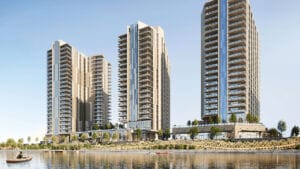
Parque das Nações is one of the clearest examples. Developed around the Expo 98 site, the district has a distinctly modern identity, with contemporary apartment buildings overlooking the Tagus River.
Areas such as Belém, Restelo and parts of Alvalade can also offer larger residences and architect-led renovations while maintaining convenient access to central Lisbon.
For international buyers who want restaurants, culture, schools and an urban lifestyle, Lisbon remains difficult to replicate elsewhere in Portugal. The compromise is usually space: the same budget may purchase a considerably larger contemporary property outside the city.
Comporta and Melides: Architecture Within the Landscape
Few Portuguese destinations have changed their international profile as quickly as Comporta and nearby Melides.
Located south of Lisbon, this coastal region is known for dunes, rice fields, pine forests and Atlantic beaches. Its architectural identity has developed around buildings designed to blend into that landscape rather than dominate it.
Contemporary homes often incorporate natural materials, simple forms, large openings and extensive outdoor areas. The aesthetic may appear understated, but properties at the top of the market can be exceptionally sophisticated.
Comporta has attracted international homeowners seeking privacy and a relaxed alternative to established resort destinations. Melides has followed a similar trajectory while retaining a more rural character.
Planning restrictions and protected landscapes mean legal and technical due diligence is particularly important when considering land, renovation projects or recently constructed properties.
The Algarve: From Resort Villas to Modern Design
The Algarve has long been associated with international property ownership, but its housing market extends well beyond traditional holiday villas.
Contemporary homes are increasingly visible across the region, particularly around premium markets such as Quinta do Lago, Vale do Lobo, Vilamoura and Lagos.
Many are designed around the climate. Floor-to-ceiling glazing, shaded terraces, swimming pools and open living areas create a strong connection between interior and exterior spaces.
Location within the Algarve can significantly change the experience. The Central Algarve is home to established resorts, golf and Faro International Airport, while the Western Algarve feels less developed and has a more dramatic coastline.
Permanent residents may place greater importance on schools and year round services, while second-home buyers may be more concerned with privacy, sea views and proximity to beaches.
Sintra: Contemporary Homes Surrounded by Nature
Sintra is best known internationally for its palaces and historic estates, yet the municipality also has an interesting market for contemporary residential architecture.
The attraction is space and landscape. Areas extending toward Colares and the Atlantic coast provide opportunities for homes surrounded by woodland and dramatic scenery while remaining within reach of Lisbon and Cascais.
Contemporary architecture works particularly well here because the landscape can become part of the design. Large windows, natural stone, timber and carefully positioned outdoor spaces allow modern homes to integrate with greener surroundings.
The microclimate is different from Lisbon or the Algarve, however. Sintra is generally cooler and more humid, something buyers should consider when assessing construction quality, insulation and maintenance.
Alentejo: Space for Architecture to Breathe
For buyers whose priority is privacy and land rather than proximity to a major city, the Alentejo offers something different.
The region’s scale gives architects room to create homes that interact with broad rural landscapes. Contemporary projects frequently reinterpret traditional Alentejo architecture through simple forms, white walls, courtyards and locally inspired materials.
Areas around Évora and coastal Alentejo can be particularly appealing to buyers looking for substantial properties or rural retreats.
The trade-off is convenience. Depending on the location, access to airports, international schools and specialist services can involve longer journeys. For a second home this may be relatively unimportant; for permanent relocation, it deserves careful consideration.
Finding the Right Contemporary Property
Portugal’s best contemporary homes are not concentrated in one market, and exceptional properties do not always fit neatly into a standard online search.
An international buyer may begin wanting a modern villa in Cascais and discover that Sintra provides the privacy they prefer. Another may initially focus on the Algarve before deciding that Comporta better suits their lifestyle.
Working with a buyer’s estate agent in Portugal can help international purchasers compare locations, identify properties across different agencies and evaluate options from the buyer’s perspective.
For contemporary homes, buyers should also look beyond aesthetics. Construction quality, planning permissions, energy efficiency, orientation and whether alterations correspond with official property records can be just as important as architectural design.
Property Ownership and Residency in Portugal
International buyers considering a home in Portugal should distinguish between purchasing property and obtaining Portuguese residency. Buying a home can form part of a wider relocation plan, but property investment itself no longer qualifies for Portugal’s Golden Visa.
The Portugal Golden Visa remains available through other qualifying investment routes, including regulated investment funds, cultural contributions and certain business or research investments. It can be particularly relevant for international investors who want a route to Portuguese residency while maintaining relatively limited physical presence in Portugal.
For those planning to live in Portugal permanently, other residency options may be more appropriate depending on their income, employment and personal circumstances.
DEEPER DIVE: Here are Arizona’s Most Admired Companies of 2026
Architecture, Location and Lifestyle
Portugal’s appeal to international property buyers comes partly from the variety available within a relatively compact country.
Cascais combines contemporary coastal architecture with access to Lisbon. The capital offers modern urban living within a historic setting. Comporta and Melides are all about architecture in nature, whereas the Algarve mixes chic villas with a well-established resort lifestyle. Sintra and the Alentejo offer space, privacy and landscapes that are unique.
Ultimately, the best location is not always the prettiest property. Where architecture, environment and day-to-day lifestyle converge to create a home that still makes sense long after the first viewing.