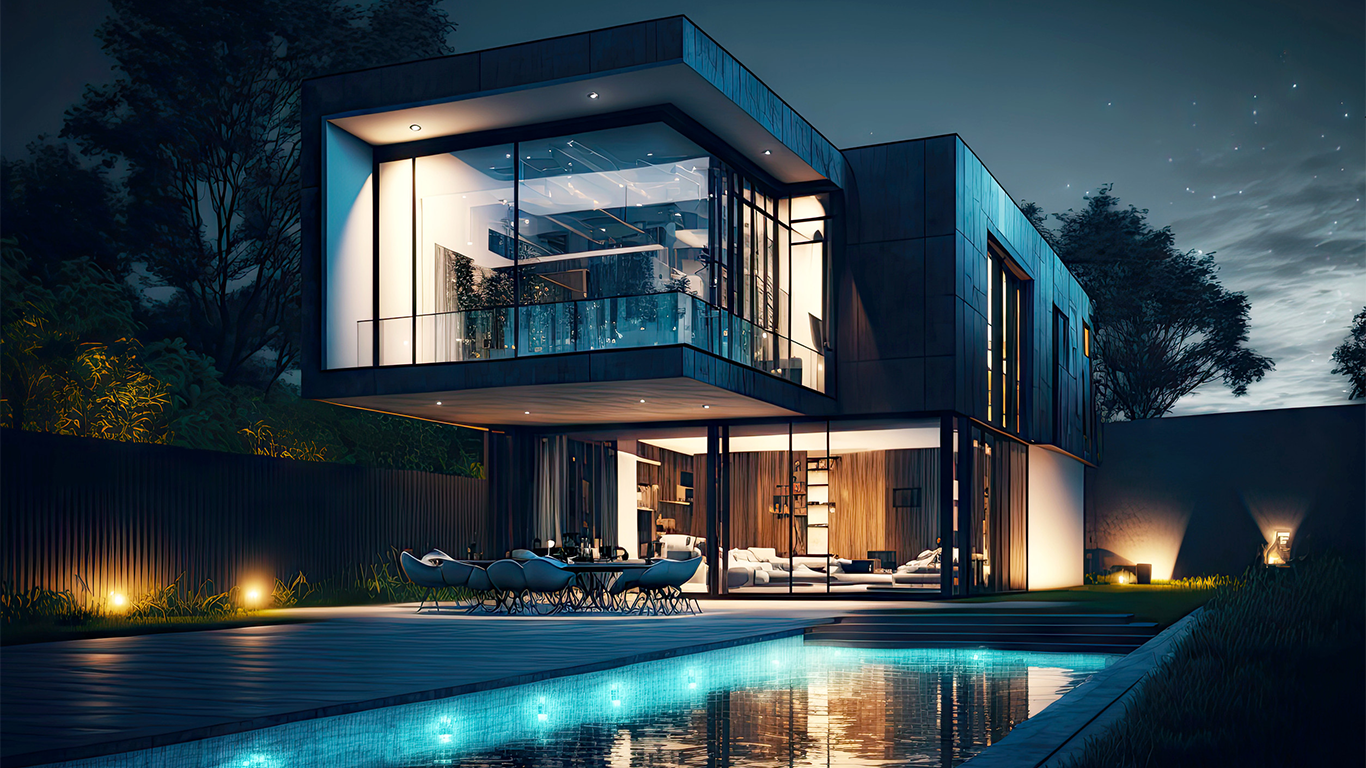
In one of the most architecturally diverse cities in the United States, homeowners in Los Angeles are increasingly moving away from standard developer-built houses and choosing custom homes instead. From contemporary hillside residences to modern minimalist properties, custom residential construction is becoming a defining feature of the region’s housing market.
Rather than adapting their lifestyle to an existing house, many buyers now want homes designed around their specific needs. Layout flexibility, modern materials, energy efficiency, and strong indoor–outdoor connections are among the features that homeowners prioritize when planning new construction projects.
As a result, more buyers are choosing to work with experienced custom home builders in Los Angeles who understand local architecture, zoning regulations, and the unique challenges of building in Southern California.
READ MORE: TSMC Arizona: A look inside the $165 billion site
GET THE LATEST NEWS: Subscribe for free to get AZ Big Media’s newsletter
The growing demand for personalized homes
Los Angeles has always been a city known for individuality and design diversity. Unlike regions dominated by uniform suburban developments, the housing landscape in Los Angeles includes everything from historic Spanish-style homes to modern architectural residences.
Today, many homeowners are continuing this tradition by building homes that reflect their personal lifestyle rather than purchasing properties designed for the general market. Custom homes allow buyers to shape every detail — from the floor plan and room proportions to exterior materials and landscape design.
This level of personalization has become particularly important as more people spend time working from home. Dedicated office spaces, flexible rooms, and adaptable layouts are now common requirements for new residential projects.
Design-build approach gaining popularity
Another factor driving the growth of custom residential construction in Los Angeles is the increasing popularity of the design-build model. In this approach, one integrated team manages both the architectural design and the construction process.
Instead of coordinating separate architects, engineers, and contractors, homeowners work with a single team responsible for the entire project. This often leads to clearer communication, more accurate budgeting during the design phase, and fewer unexpected changes during construction.
In a complex building environment like Los Angeles — where projects often involve detailed permitting, zoning regulations, and site-specific engineering — this integrated approach can significantly improve coordination and overall project efficiency.
Building on challenging urban sites
Los Angeles presents a unique set of challenges for residential construction. Many homes are built on hillside lots, narrow urban parcels, or properties with strict zoning and planning requirements.
Designing and building in these conditions requires careful site analysis and strong coordination between architecture, engineering, and construction teams. Factors such as slope stability, drainage, structural design, and local building regulations often play a major role in shaping the final design.
Because of this complexity, homeowners planning custom homes often prefer working with professionals who have direct experience navigating the Los Angeles permitting process and site conditions.

Modern priorities in residential design
The concept of a “dream home” has evolved significantly in recent years. While large houses were once the primary goal for many homeowners, today’s buyers are placing greater emphasis on efficiency, sustainability, and livability.
Modern custom homes in Los Angeles frequently include:
- open floor plans that connect living, dining, and kitchen areas;
- strong indoor–outdoor living connections;
- energy-efficient materials and systems;
- natural lighting and passive design strategies;
- flexible spaces that can adapt to changing needs.
These features reflect broader shifts in how people use their homes and how architecture responds to climate, lifestyle, and environmental concerns.
Sustainability and long-term value
Sustainability has become an essential consideration in residential design across California. Energy-efficient building envelopes, solar integration, and water-conscious landscaping are now common features in many new custom homes.
Technologies such as high-performance insulation, advanced glazing systems, and smart energy monitoring help reduce long-term operating costs while improving indoor comfort. When sustainability is integrated early in the design process, homeowners can achieve significantly better efficiency compared with retrofitting existing homes.
The future of custom residential construction
As Los Angeles continues to grow and evolve, custom residential architecture is expected to play an increasingly important role in shaping the city’s neighborhoods. Homeowners are placing greater emphasis on thoughtful design, functionality, and long-term adaptability rather than focusing only on square footage.
Custom homes offer the flexibility to respond to these priorities, allowing residents to create spaces that reflect their lifestyle and the unique character of the surrounding environment.
Given the city’s complex geography, diverse architecture, and strong design culture, Los Angeles will likely remain one of the most dynamic markets for innovative custom residential development in the years ahead.