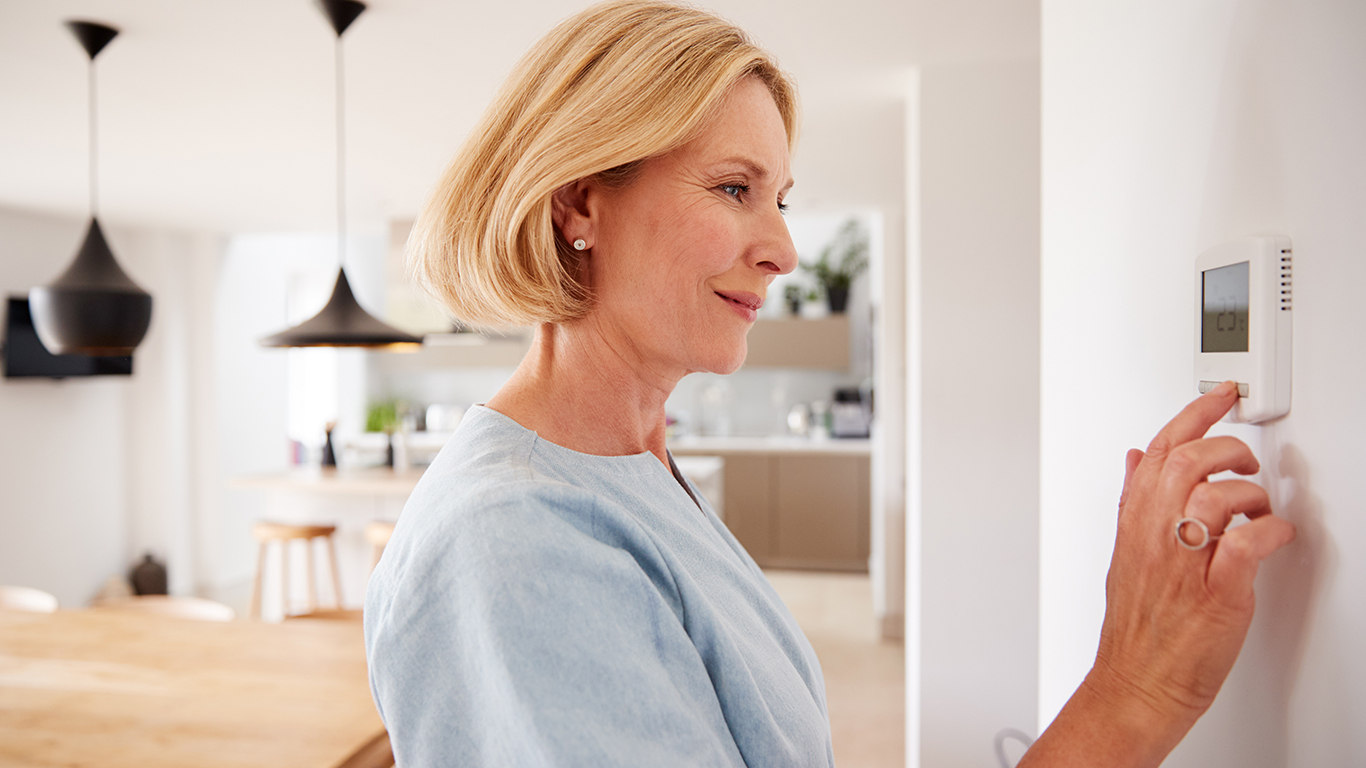
Homebuyers today are looking for more than just square footage and curb appeal. They want efficiency, comfort, and long-term savings. This shift in buyer expectations is one of the main reasons smart thermostats and modern HVAC systems are increasing property values across many markets. What was once considered a luxury upgrade is now becoming a standard feature that can influence a buyer’s final decision.
Smart thermostats allow homeowners to control temperature remotely, learn daily habits, and optimize energy usage. Modern HVAC systems, on the other hand, improve air quality, reduce energy waste, and provide consistent comfort. Together, these technologies create a home that feels more advanced and more livable. According to energy studies, homes equipped with energy-efficient HVAC systems can reduce utility costs by up to 20 percent annually. That kind of savings attracts buyers quickly.
In competitive housing markets, small upgrades can make a big difference. A home with a smart system often stands out in listings. Buyers see it as move-in ready, modern, and cost-efficient. This perception directly impacts how much they are willing to pay. In many cases, sellers recover the cost of installation and still gain additional value.
Energy Efficiency as a Selling Point
Energy efficiency has become one of the strongest drivers of property value. Buyers are increasingly aware of long-term costs, not just the purchase price. A home with outdated heating and cooling systems can signal future expenses, while a modern setup suggests savings and reliability.
LaToya Daniels, Owner of Palm State Home Buyers LLC, explains this shift clearly. “When we renovate homes, we always consider energy efficiency upgrades. I have seen buyers respond strongly to smart thermostats and updated HVAC systems. These features signal that the home is well cared for and future-ready. In many cases, we have seen offers come in higher simply because the buyer knows they will save money over time.”
Her experience renovating multiple homes each year gives her a direct view into buyer behavior. Buyers are not just purchasing a home. They are investing in a lifestyle that includes comfort and predictability.
Smart thermostats also provide data insights. Homeowners can track energy usage and adjust settings easily. This transparency builds confidence and helps buyers understand how the system benefits them immediately.
Comfort, Control, and Daily Living
Beyond savings, comfort plays a major role in valuation. A home that maintains consistent temperature throughout the day feels more inviting. Smart HVAC systems adjust automatically based on occupancy and weather conditions. This creates a smoother living experience.
Jeff Jennings of Strong Heating and Cooling LLC highlights the importance of performance. “I have worked with many homeowners who upgraded their systems and immediately noticed the difference. A well-installed HVAC system does more than heat or cool. It improves air quality and reduces strain on equipment. When buyers walk into a home and feel consistent comfort, it creates a strong impression that adds value.”
His hands-on experience shows that performance is not just technical. It is emotional. Buyers remember how a home feels when they walk through it.
Modern systems also improve indoor air quality. Advanced filters remove dust, allergens, and pollutants. This is especially important for families with children or individuals with health concerns. A healthier indoor environment adds another layer of value.
Investor Perspective and Market Demand
Real estate investors are paying close attention to these trends. Upgrades that improve efficiency and comfort often deliver strong returns. Investors look for improvements that increase both rental appeal and resale value.
Caleb Luketic, Founder of Favor Home Solutions, shares his experience. “In my investing journey, I have learned that smart upgrades create real impact. When we install energy-efficient HVAC systems, tenants notice immediately. Lower utility costs make properties more attractive. I have seen faster sales and stronger offers when homes include modern heating and cooling solutions.”
His experience purchasing and managing hundreds of properties highlights a clear pattern. Practical upgrades often outperform cosmetic ones when it comes to long-term value.
Even in rental markets, smart systems provide advantages. Tenants prefer homes with predictable utility costs and modern features. This demand allows property owners to justify higher rental rates.
Marcel Perkins, Managing Director Latin Trails, offers a broader perspective shaped by hospitality experience. “In travel and hospitality, comfort defines the guest experience. I have seen how climate control and air quality influence satisfaction levels. When people feel comfortable, they value the space more. The same principle applies to homes. Comfort and efficiency elevate the overall experience and perceived value.”
His insight connects property value with user experience. Whether in travel or housing, comfort drives perception.
Technology Integration and Future Appeal
Smart thermostats and HVAC systems also signal future readiness. Buyers want homes that integrate easily with other smart devices. A connected system that works with mobile apps and voice assistants feels modern and convenient.
This integration adds long-term appeal. As technology continues to evolve, homes with existing smart infrastructure adapt more easily. Buyers see this as a long-term advantage.
Jeff Jennings emphasizes reliability in this context. “When we install modern systems, we focus on both performance and longevity. Buyers want to know the system will last and perform efficiently. Reliable installation and quality equipment create trust. That trust often translates into higher offers.”
Smart systems also support sustainability goals. Many buyers are environmentally conscious. Energy-efficient homes reduce carbon footprints and align with modern values. This adds emotional and financial appeal.
LaToya Daniels notes that perception plays a key role. “When buyers walk into a home with smart features, they feel like they are stepping into something new and advanced. That feeling matters. It often leads to quicker decisions and stronger offers.”
Conclusion: A Smart Investment for Long-Term Value
Smart thermostats and modern HVAC systems are no longer optional upgrades. They are becoming essential features that influence how buyers evaluate properties. From energy savings and comfort to future readiness and sustainability, these systems deliver multiple benefits.
LaToya Daniels shows how buyers respond to efficiency upgrades. Jeff Jennings demonstrates how performance and reliability shape perception. Caleb Luketic highlights the investment value of practical improvements. Marcel Perkins connects comfort with overall experience.
The key takeaway is clear. Property value is no longer based only on location and size. It is shaped by how well a home supports modern living. Smart HVAC systems and intelligent temperature control create homes that are efficient, comfortable, and forward-thinking.
For homeowners and investors alike, these upgrades represent more than convenience. They are a strategic investment that enhances both immediate appeal and long-term value.