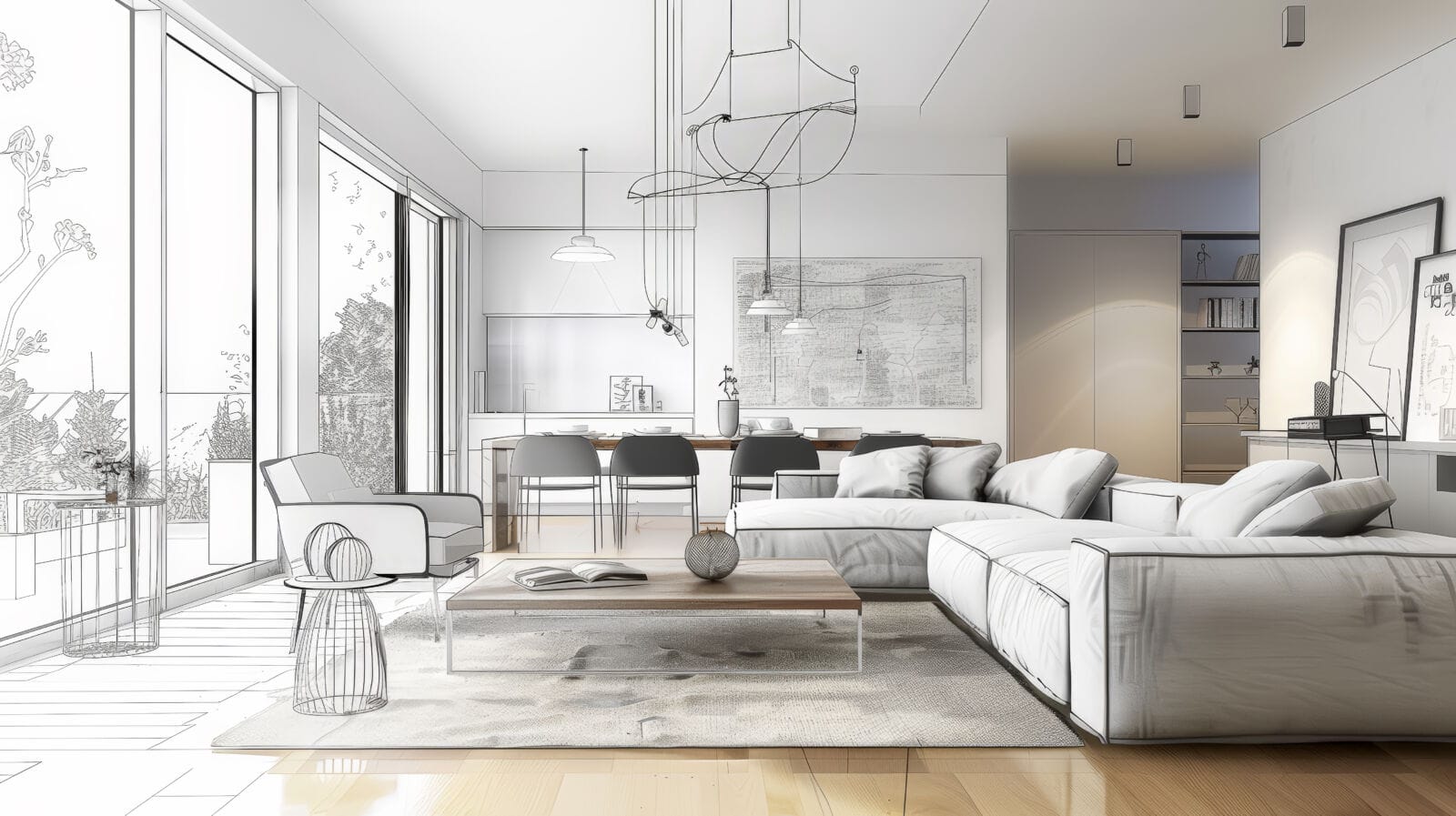
The growth of AI home design and AI interior design free platforms reflects a larger shift in digital creativity. Homeowners, renters, designers, and technology enthusiasts are increasingly using AI tools to visualize spaces, test layouts, and explore design ideas instantly.
The way people design homes is rapidly changing. What once required professional software, architectural knowledge, and long planning sessions can now be achieved through artificial intelligence. Modern AI-powered systems are simplifying interior planning, room visualization, and home remodeling for users of all experience levels.
Platforms like Dehome AI are helping redefine how modern living spaces are planned by making design technology more accessible, interactive, and efficient.
The Growing Influence of AI in Home Design
Artificial intelligence is becoming a major force in creative industries, and home design is one of the areas seeing rapid transformation. Traditional design workflows often involve manual drafting, repeated revisions, and expensive consultations.
AI changes this process by automating visualization and accelerating idea generation.
Instead of relying only on imagination, users can now create realistic digital previews of rooms and interiors within minutes. AI systems analyze layouts, furniture placement, lighting balance, and design styles to generate visually appealing concepts.
This creates a faster and more flexible design process.
Dehome AI supports this digital evolution by helping users experiment with layouts, interior themes, and architectural concepts without requiring advanced technical skills.
Why AI Interior Design Free Platforms Are Becoming Popular
One of the biggest reasons AI-powered design tools are gaining attention is accessibility. Many users want to improve their living spaces but do not have the budget or experience for professional design services.
AI interior design free platforms offer a practical alternative.Users can explore room ideas, redesign spaces, and test decorative concepts without purchasing expensive software. This allows people to experiment creatively before making real-world changes.
For example, users can instantly preview:
- Furniture arrangements
- Wall color combinations
- Flooring materials
- Decorative lighting
- Kitchen layouts
- Bedroom aesthetics
- Living room concepts
Instead of spending hours manually editing designs, AI can generate multiple visual directions quickly.
This flexibility makes AI tools appealing to beginners, homeowners, students, and digital creators alike.
Smarter Interior Visualization Through AI
Visualization is one of the most powerful features of modern AI design platforms. Many people struggle to imagine how a room may look after renovation or redesign.
AI solves this problem by transforming ideas into realistic visual outputs.
Dehome AI allows users to upload room photos or layouts and generate enhanced interior concepts digitally. This creates a clearer understanding of spatial flow, furniture positioning, and overall room atmosphere.
Users can compare different aesthetics such as:
- Minimalist interiors
- Luxury-inspired rooms
- Scandinavian themes
- Industrial spaces
- Contemporary designs
- Warm natural environments
This makes decision-making easier because users can evaluate visual options before purchasing furniture or remodeling a room.
AI-driven visualization also helps reduce design uncertainty and improves planning confidence.
AI Home Design for Remodeling Projects
Home remodeling often involves significant investment, which makes planning extremely important. Mistakes in layout or decoration choices can become expensive and time-consuming.
AI-powered home design platforms help users avoid these issues by offering digital experimentation before implementation.
For example, someone redesigning a kitchen can test:
- Cabinet arrangements
- Appliance placement
- Countertop materials
- Lighting concepts
- Storage solutions
Similarly, living room renovations can be explored through AI-generated previews showing sofa placement, entertainment walls, and open-space arrangements.
Dehome AI supports this workflow by allowing users to adjust and visualize changes rapidly.
Instead of relying on rough sketches, homeowners can see more realistic room transformations before construction begins.
Space Optimization for Modern Homes
Urban living has increased demand for smarter and more efficient use of space. Small apartments and compact homes require layouts that balance comfort with functionality.
AI tools are particularly effective for compact living environments because they can generate optimized layouts automatically.
AI home design platforms help users explore:
- Space-saving furniture placement
- Open visual flow concepts
- Multi-functional room setups
- Storage-efficient arrangements
- Compact workspace designs
Dehome AI allows users to compare different room configurations and identify layouts that improve movement and usability.
This becomes especially valuable in studio apartments, small bedrooms, and limited kitchen spaces where every square foot matters.
The Role of AI in Personalized Interior Styling
Every user has a different design preference. Some prefer simple minimalist environments, while others enjoy bold luxury aesthetics or cozy traditional interiors.
AI design platforms make personalization easier by generating multiple style variations quickly.
Instead of redesigning a room manually each time, users can switch between themes instantly.
Dehome AI helps users explore personalized aesthetics through intelligent visualization systems that adapt layouts, colors, and decorative elements automatically.
This encourages creativity because users can experiment without commitment.
For example, one room can be visualized in:
- Modern monochrome style
- Soft neutral tones
- Dark contemporary themes
- Natural wood-inspired interiors
- Bright luxury aesthetics
This ability to compare styles digitally helps users make more informed design decisions.
AI Technology and Floor Plan Visualization
Another major advancement in modern home design is AI-assisted floor plan visualization.
Traditional 2D floor plans can feel difficult for many users to interpret. Flat drawings often fail to communicate room depth, movement flow, or realistic scale.
AI improves this process by converting floor plans into interactive 3D visualizations.
This helps users better understand:
- Room proportions
- Furniture spacing
- Traffic flow
- Window positioning
- Functional layout balance
Dehome AI simplifies floor plan interpretation through realistic digital previews that make architectural concepts easier to understand.
This technology benefits homeowners, students, interior designers, and real estate professionals alike.
AI Design Tools for Real Estate and Content Creation
AI-generated home visualization is also becoming important in digital marketing and real estate presentation.
Property listings with visualized interiors often create stronger engagement because buyers can better imagine living in the space.
Dehome AI helps generate attractive room concepts for:
- Real estate staging
- Social media content
- Property marketing
- Interior design portfolios
- Digital renovation showcases
Content creators and influencers also use AI visualization tools to produce aesthetic interior concepts quickly for online audiences.
This combination of design and digital media continues expanding the role of AI in creative industries.
Accessibility Without Complex Design Software
Traditional architectural software often requires training and technical experience. Many users feel overwhelmed by advanced modeling tools and complicated interfaces.
AI platforms focus on simplicity instead.
Dehome AI offers a more user-friendly approach by simplifying the design workflow through automation and intelligent suggestions.
Users can create room concepts faster through:
- Easy uploads
- Instant rendering
- Automated styling
- Fast layout adjustments
- AI-assisted recommendations
This makes advanced visualization technology accessible to a much wider audience.
People who previously avoided design software can now participate in digital home planning more comfortably.
Conclusion
AI home design and AI interior design free platforms are transforming how people plan and visualize living spaces. Through intelligent rendering, automated styling, and realistic visualization, AI allows users to experiment with layouts and aesthetics faster than traditional methods.
Dehome AI demonstrates how modern technology is making interior planning more accessible, flexible, and creative. Whether someone is remodeling a room, optimizing a compact apartment, or exploring different design themes, AI-powered tools simplify the process and improve visual understanding.