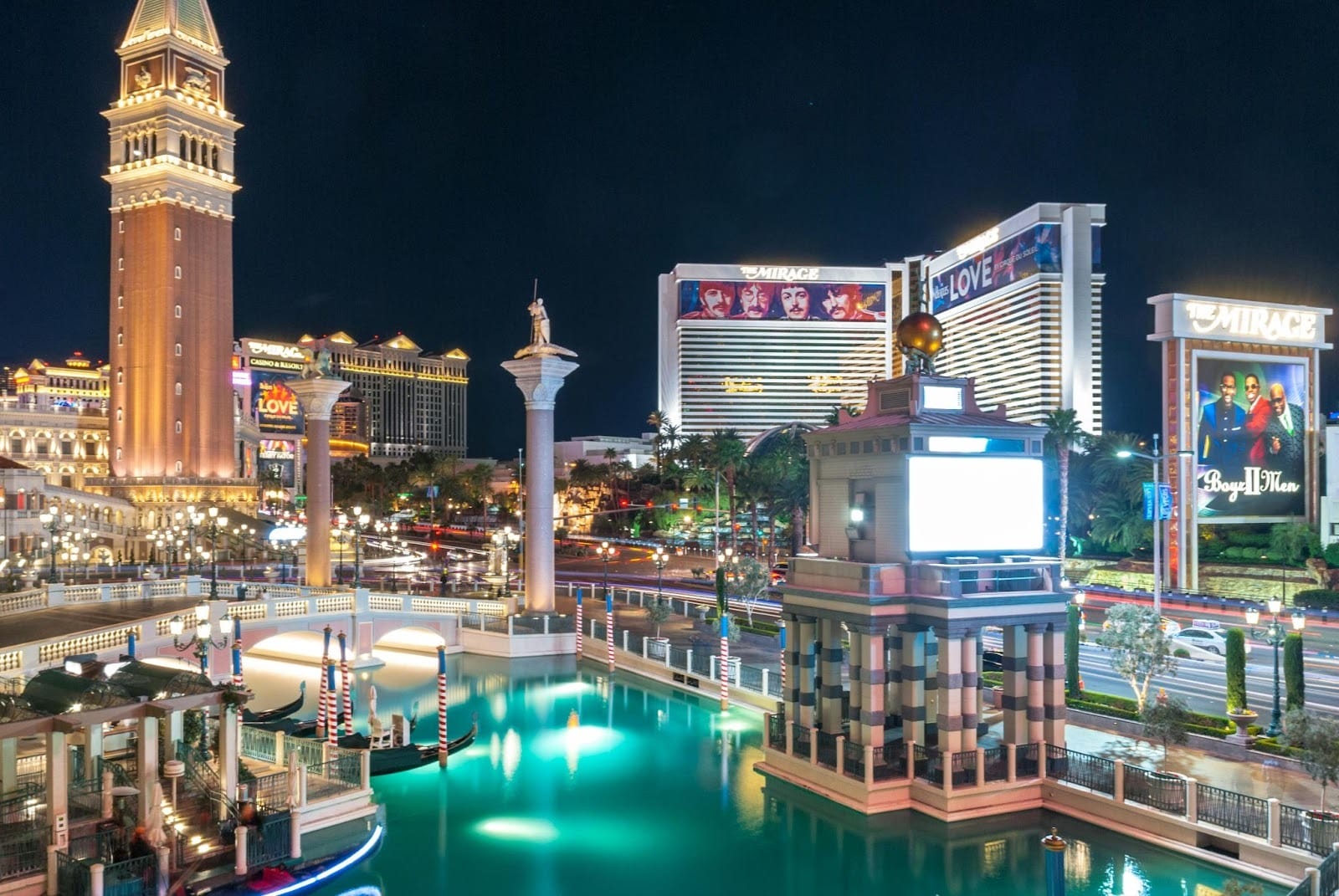
Southern Arizona’s gaming scene is shifting gears as plans move forward for a modern casino at Grant Road and Interstate 10. Led by a tribal enterprise, the project underscores how fast casino and hospitality ventures are scaling in the region and is projected to bring roughly 900 new jobs once doors open.
City leaders see more than a gaming floor on the horizon. They’re betting the site becomes a spark for nearby businesses, turning a long-overlooked stretch into a lively destination with restaurants, hotels, and entertainment that draws both locals and travelers passing through.
Digital innovation meets physical expansion
Technology is rewriting how casinos operate, from the way players enroll to how money moves. Transparency, strong security, and interactive features increasingly shape the experience on-property and online.One of the clearer examples of these shifts can be seen on US poker games, where smooth onboarding, fast payments, and clean interfaces are non-negotiables. Real-time analytics, behavioral insights, and reliable verification now link online poker ecosystems with casino loyalty apps and mobile wallets.
If Tucson’s project borrows the best of those networks, it could launch with intelligent monitoring, frictionless wallet tools, and sharper engagement loops built in from day one, keeping guests connected before, during, and after a visit.
LOCAL NEWS: Phoenix housing market outpaces national trends again in 2025
INDUSTRY INSIGHTS: Want more news like this? Get our free newsletter here
A transformative local investment
The Grant Road and I-10 site ranks among Tucson’s most ambitious single-location investments in recent memory. Early materials point to a full complex: gaming floors, a hotel component, and flexible event space sized for conferences and live entertainment. Timelines under discussion hover around 30 months, with phase one focused on utilities and traffic redesign to handle expected flow.
The ripple starts well before opening day. Contractors, food suppliers, and service firms stand to gain steady work through long-term procurement. Just as important, the development strengthens state–tribal collaboration, tying revenue-sharing to programs that back education, healthcare, and cultural initiatives.
Employment and workforce implications
Jobs sit at the center of the I-10 conversation. Of the estimated 900 roles, about half will power daily operations, hospitality teams, dealers, facilities, while the remainder spans management, surveillance, security, finance, and marketing. Workforce agencies expect tailored training to meet compliance and service standards.
Developers are already coordinating with community colleges and placement groups so local candidates can step into careers, not just temporary gigs. The model mirrors other Southwest markets where casinos evolved into employers of choice, lifting household incomes and creating room for small businesses to grow alongside them.
A model for sustainable urban corridors
Urban planners will watch closely to see whether a major entertainment anchor can reset a key travel corridor. Grant Road has long needed reinvestment, aging infrastructure, parcels waiting for purpose. A destination property could help attract fresh retail, new housing, and better transit options.
Environmental reviews outline a greener playbook: onsite renewables, smart water systems, and lighting strategies that cut usage without dimming the experience. Think high-efficiency LEDs, electric shuttles, and reclaimed water for landscape needs, a practical balance between spectacle and stewardship.
Get it right, and Tucson can use the project’s spotlight to advance other sustainable infrastructure ideas across Pima County.
Regional tourism and economic ripple effects
Set directly on a major interstate, the property is positioned to capture weekenders, day-trippers, and cross-state travelers. Its proximity to downtown, the university area, and desert attractions makes it a natural hub for packages that bundle gaming, dining, and events. Comparable projects in neighboring states have boosted tax receipts, refreshed roads and utilities, and raised the host city’s profile.
The multiplier cuts wide, new restaurants, more ride-share demand, bigger ad buys, stronger venue calendars. For visitors, the site can be a gateway or a last stop before the next drive, helping place Tucson more firmly on the Southwest entertainment map.
Community dialogue and long-term vision
Public reaction has mixed notes but leans hopeful. Supporters point to steady jobs, local spending, and the cultural visibility that comes with a tribally led project. Skeptics raise traffic, noise, and pressure on city services. To surface answers early, the team has opened town halls and feedback sessions tied to zoning and design updates.
Officials have also promised open data on licensing steps, design milestones, and construction progress. While some operational details are still being shaped, the broader aim is clear: pair growth with accountability so new revenues continually fund social programs and shared infrastructure.