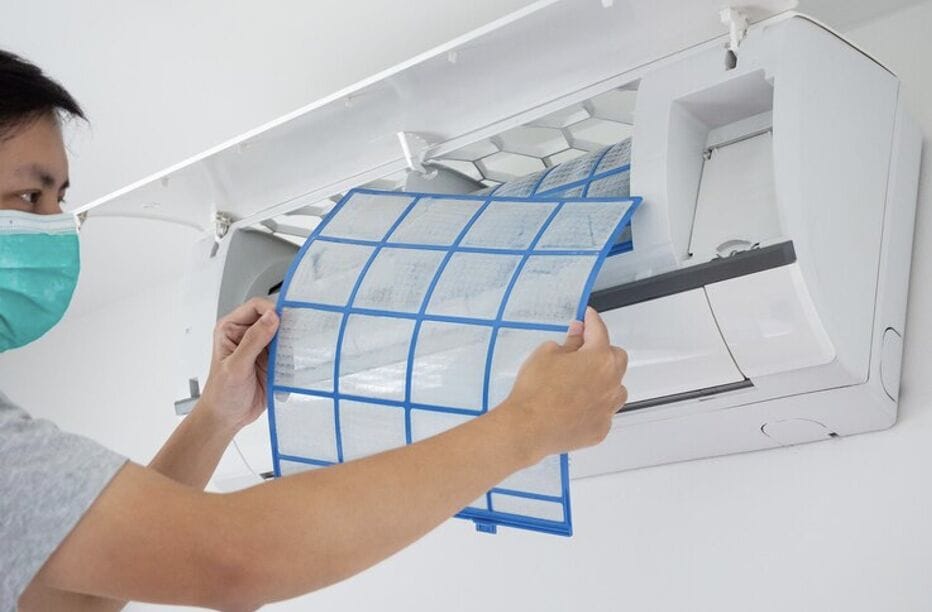
You’ve probably been there, standing in the store aisle, staring at shelves full of air filters that look the same but somehow don’t fit once you get home. The label says “12×24×1,” but the filter rattles in the slot or gets jammed halfway in. Then comes the next layer of confusion: MERV ratings, brands, and prices that jump wildly between packs. Picking something as simple as an air filter can start to feel like shopping for tech gear.
That “12×24×1” on the label? It’s not just a measurement; it hides some important details that may impact performance, airflow, and even your energy costs.
You will understand exactly what that label means by the end of this guide, as well as how to pick the best rating, where to buy in bulk, and how to maintain system breathing room without going over budget.
MORE NEWS: Phoenix bucket list: 25 things you must do
INDUSTRY INSIGHTS: Want more news like this? Get our free newsletter here
What “12×24×1” Actually Means (Nominal vs. Actual Size)
Let’s clear up one of the biggest confusions first: the size printed on the box is nominal, not exact.
A “12×24×1” filter usually measures closer to 11⅜″ × 23⅜″ × ¾″. The reason? Manufacturers leave a small margin so the filter slides easily into the slot without bending or tearing.
If you grab a tape measure, you’ll notice your furnace or AC slot itself isn’t exactly 12×24 either; it’s made to fit the nominal spec.
So when a filter looks a bit smaller than advertised, that’s normal. The key is that it sits snugly enough to prevent air from leaking around the edges.
Tip:
1. If your filter feels too loose, try using foam weather stripping around the edges to seal small gaps.
2. If it’s too tight, never force it; forcing can warp the frame or restrict airflow. Instead, double-check your manual or the label on your existing filter.
Thickness Trade-offs (1″ vs. 2–4″) and Airflow Considerations
Sometimes homeowners think thicker filters automatically mean “better,” but it’s not always that simple.
Yes, moving from a 1-inch to a 2-inch or 4-inch filter can improve dust-holding capacity and reduce how often you change it, but only if your system’s housing is built for it.
If you try to squeeze a thicker one into a 1-inch slot, you’ll restrict airflow and stress the blower motor.
Also, when using higher-MERV filters (more on that in a second) inside a shallow 1-inch frame, the tighter weave can make the fan work harder. HVAC techs call that a pressure drop, and it’s something you definitely want to avoid.
MERV, MPR, and FPR: Which Rating Should You Choose?
Every brand has its own rating system, but they all measure the same thing that how well the filter catches particles.
Here’s the quick translation chart:
● MERV (industry standard): Minimum Efficiency Reporting Value
● MPR (3M’s system): Microparticle Performance Rating
● FPR (Home Depot’s): Filter Performance Rating
You don’t need to memorize them. What matters is picking the right range for your home and system:
| Rating | Best For | Notes |
| MERV 8 | Dust, lint, basic household air | Great balance of cost and airflow. |
| MERV 11 | Homes with pets, mild allergies, or fine dust | Slightly tighter weave; still safe for most systems. |
| MERV 13 | Smoke, wildfire zones, or sensitive occupants | Excellent filtration but may reduce airflow in older blowers. |
Special Cases: Wildfire Smoke or Health-Sensitive Homes
If you live where wildfires or heavy smog are common, MERV 13 can make a noticeable difference. It captures finer particles, including smoke and bacteria that lower ratings let pass through.
Just be sure your HVAC system can handle it. If your blower seems strained or your airflow drops after switching to MERV 13, consider stepping back to MERV 11. The gain in system health might outweigh the slightly cleaner air.
Top 12×24×1 Options (By Use Case & Budget)
Let’s look at what you’ll actually see when shopping. A few examples from popular retailers show how prices and features line up:
● Basic Protection (MERV 8): around $12–15 each, often sold in 4- or 6-packs. Best for standard homes and rental properties.
● Allergy Prevention (MERV 11): roughly $13–18 each. Good middle ground for families with pets or mild allergies.
● Healthy Living / Smoke (MERV 13): $20–25 per filter, often in 2- or 4-packs, designed for cleaner indoor air or wildfire season.
● Washable Electrostatic Filters: higher upfront ($50–60 each), reusable for several years if cleaned regularly.
All of these come in slightly smaller actual sizes, usually around 11 1⁄2″ × 23 1⁄2″ × ¾″, so don’t be surprised when the ruler doesn’t hit 12 × 24 × 1 exactly.
Popular Retailers & Models You’ll Encounter
● Lowe’s stocks 3M’s Filtrete line (300, 1085, 1900 series) and offers multi-packs.
● Home Depot uses its own FPR scale that roughly maps to MERV 8 = FPR 5, MERV 11 = FPR 8, MERV 13 = FPR 10, and runs “bulk pricing” promos.
● Direct-to-consumer brands like Filterbuy or Discount Filters list the actual size clearly on each product page and ship directly from their U.S. plants.
● Amazon is best for comparing multi-packs and delivery speed, though quality control can vary between sellers.
Bulk Buying: How to Save (Cost-Per-Filter Math)
Buying in packs of 3, 6, or 12 is usually where you’ll save the most.
For instance, if a single MERV 11 filter costs $14, a 6-pack might drop it to about $10 per filter. Home Depot and Lowe’s often label these as “Pro” or “Contractor” packs, while DTC sites just show the math right on the page.
A good rule of thumb:
● Retail stores: $10–12 per filter in bulk
● Direct brands: $8–10 per filter
● Marketplaces: depends on shipping but often $9–13 each
Just don’t over-stock if your garage gets humid. Moisture can warp cardboard frames or make pleats stick together.
Delivery vs. Local Pickup
Online delivery is convenient, especially with free shipping offers. The only risk? Filters can get crushed in transit if not packed well. Local pickup (at Home Depot or Lowe’s) avoids that, but you’ll trade convenience for the trip.
Here subscription programs like Discount Filters’ reorder reminders help you replace on schedule without thinking about it. They also make sure to doublewrap your orders so that you get your filters in intact condition.
Replacement Frequency & Maintenance Tips
Most 1-inch pleated filters should be replaced every 90 days, though that changes with how you live:
● Pets or construction nearby: every 30 to 45 days
● Low occupancy or vacation homes: up to 6 months
● Smoky areas or allergy season: as often as monthly
If you can’t remember when you last changed it, hold it up to the light; if you can’t see through it, it’s time.
When installing, the airflow arrow on the frame should point toward the blower motor, not the duct opening. Check that there’s no bypass air sneaking around the sides.
Common Mistakes to Avoid
● Using an MERV 13 filter on an older or undersized blower can overwork the fan.
● Forgetting to replace filters for months clogs and reduces efficiency fast.
● When buying the wrong size, measure the slot, not the old dusty filter.
● Bending the frame to make it fit once warped, it won’t seal properly again.
Where to Buy a 12×24×1
Here’s where most homeowners find the best mix of price and convenience:
● Lowe’s: wide selection from basic MERV 1 to 13, including smart app-linked Filtrete 1900 filters.
● Home Depot: solid stock of FPR-rated filters, often cheaper in multi-packs or contractor boxes.
● Amazon: easy to compare brands, but double-check actual size in the listing.
● Direct brands like Discount Filters: clear labeling, accurate sizing, and quick shipping right from the manufacturers warehouse with budget pricing.
If you want predictable quality and an exact fit, pages selling 12×24×1 air filters are a safe starting point; they show dimensions, ratings, and recommended replacement times in one place.
Fast Picks (Skimmable Decision Table)
| Use Case | Recommended Rating | Best For | Watch-Outs | Typical Cost per Filter |
| Basic Value | MERV 8 | Dust, everyday use | Lower capture rate for fine particles | $8–12 |
| Pets & Allergies | MERV 11 | Pet hair, fine dust | Slight pressure drop | $10–14 |
| Smoke / Sensitive Air Quality | MERV 13 | Wildfires, asthma | Check blower specs first | $15–25 |
Before jumping to MERV 13, confirm your system’s max static pressure (usually printed on the blower housing). Too much restriction can shorten motor life.
FAQ
Q1. Is 12×24×1 the same as 24×12×1?
A. Yes, same area, just rotated. Orientation doesn’t matter.
Q2. My slot is tight. Why is the filter smaller than 12×24×1?
A. That’s the “nominal vs. actual” difference. The real size is about 11½ × 23½ × ¾ inches.
Q3. Will MERV 13 damage my system?
A. Not if your blower is strong enough. If you notice weak airflow or noise after upgrading, step down to MERV 11.
Q4. How often should I change it?
A. About every 3 months for pleated filters. Sooner with pets or smoke.
Q5. Washable vs. disposable for 12×24×1?
A. Washable ones cost more upfront but can last several years if cleaned properly. Disposable pleated filters are lower-maintenance and more common.