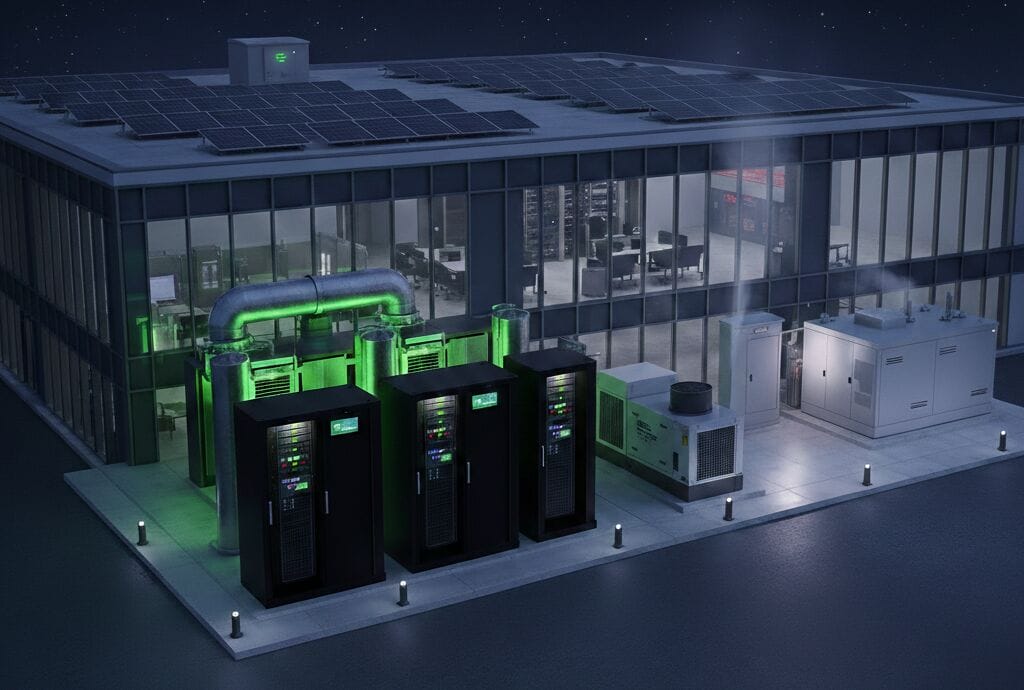
Keeping a workplace running during outages used to be a “nice to have,” but with more storms, heat events, and grid strain, resilience is basically a requirement now. The good news is that upgrading your electrical infrastructure isn’t always about buying the biggest generator on the market. Many improvements are smaller, smarter, and more affordable than most teams expect.
Here are eight practical upgrades that make offices, warehouses, and facilities far more resilient to grid hiccups while keeping operations smooth and predictable.
1. Automatic Transfer Switches (ATS)
Automatic transfer switches are the unsung heroes of backup power. They sense outages, switch to an alternate source, and switch back once the grid stabilizes. No scrambling, no manual resets, and no delay that could interrupt IT systems or production lines.
According to insights shared in a study on UPS and transfer switch applications by LinkedIn, workplaces using ATS setups see significantly reduced downtime because transitions happen seamlessly behind the scenes.
A few key benefits:
- Faster failover during outages
- Less risk of equipment damage
- Keeps critical operations running with no user input
2. Standby Generators for Core Operations
Standby generators remain one of the most trusted ways to keep a workplace powered through extended outages. They automatically activate through ATS integration and can support everything from lighting to HVAC to mission critical equipment.
For decision makers comparing generator models, it helps to research the best commercial generators businesses can choose, especially when sizing a unit to match actual load requirements. Cost depends heavily on fuel type, size, and installation complexity. A small commercial unit might start in the low five figures, while large multi phase generators running major buildings can reach six figures. Even so, the cost of downtime often outweighs the expense quickly.
3. UPS Systems for IT Racks and Networking Gear
A UPS (uninterruptible power supply) is essential for modern workplaces because even a one second flicker can take down servers, VoIP systems, and WiFi. Unlike generators, UPS units deliver instant power with zero delay. That protects sensitive electronics while bridging the gap until backup power takes over.
A recent framework on data center UPS behavior from arXiv highlights how improved control systems even reduce grid instability. For workplaces, that translates to fewer outages triggered inside the building and more consistent uptime for digital systems.
UPS systems are most useful for:
- Server rooms
- Security systems
- Any department relying on always on connectivity
4. Surge Protection at Building and Circuit Levels
Surges can happen during storms, grid switching events, or even internally when large equipment starts up. A building wide surge protector adds a first line of defense, while individual circuit level devices guard high value equipment.
The investment is low compared to the damage surges can cause, especially to refrigeration units, pumps, servers, lighting control systems, and industrial machines. For most facilities, adding surge protection is one of the quickest resilience wins.
5. Load Shedding Controls to Prioritize What Matters
Load shedding tech gives workplaces intelligent control over which systems shut down first during power dips. Rather than dropping everything at once, the system sheds non essential loads to keep crucial systems alive.
You can set rules like:
- Turn off EV chargers first
- Keep emergency lighting and HVAC running
- Keep refrigeration and IT racks powered
- Shut down non critical office circuits next
This protects equipment, maintains safety, and avoids overloading backup power systems.
6. Solar Plus Storage for Hybrid Resilience
Solar power is incredible, but panels alone can’t keep a building powered during a grid outage unless storage and proper controls are added. But when solar is paired with batteries, workplaces get both long term energy savings and a powerful resilience tool.
Solar plus storage helps by:
- Offsetting peak demand costs
- Providing backup power for key operations
- Allowing limited islanding when the grid fails
For facilities with high daytime loads, this upgrade can dramatically reduce the strain on generators and stretch fuel supplies.
7. Maintenance and Testing Programs for All Backup Systems
Even the best equipment fails when ignored. Generators need routine exercise cycles, batteries need testing, and ATS units need inspection. Many outages inside facilities happen because preventive maintenance was skipped or delayed.
A solid maintenance program includes:
- Monthly generator test runs
- Annual load bank testing
- Battery replacement timelines
- Inspections of breakers, wiring, and transfer switches
Routine checks reduce failure risk more than almost any single upgrade.
8. Fuel Monitoring and Smart Consumption Controls
Fuel problems are a big reason backup generators fail. Either the fuel runs out during long outages or the fuel quality degrades because it sat too long. That makes monitoring systems especially valuable.
Fuel monitoring helps workplaces:
- Track real time fuel levels
- Monitor tank health
- Receive alerts before a critical threshold
- Plan smarter refueling during multi day outages
Some systems can even coordinate with load shedding controls to stretch limited fuel supplies.
Building a Stronger, Smarter Backup Strategy
Grid resilience isn’t just about having a generator. It’s about designing a layered system where each component supports the others. ATS handles switching, UPS keeps IT steady, solar lowers fuel use, and maintenance ties it all together.
If your workplace is planning electrical or facilities upgrades this year, consider evaluating which of these eight improvements offer the biggest impact for your building type and operational needs. Even small changes can make a huge difference during the next grid event.
And if you enjoy staying ahead on workplace infrastructure, keep exploring guides and insights like these, and include your findings in your company’s internal knowledge base or blog.