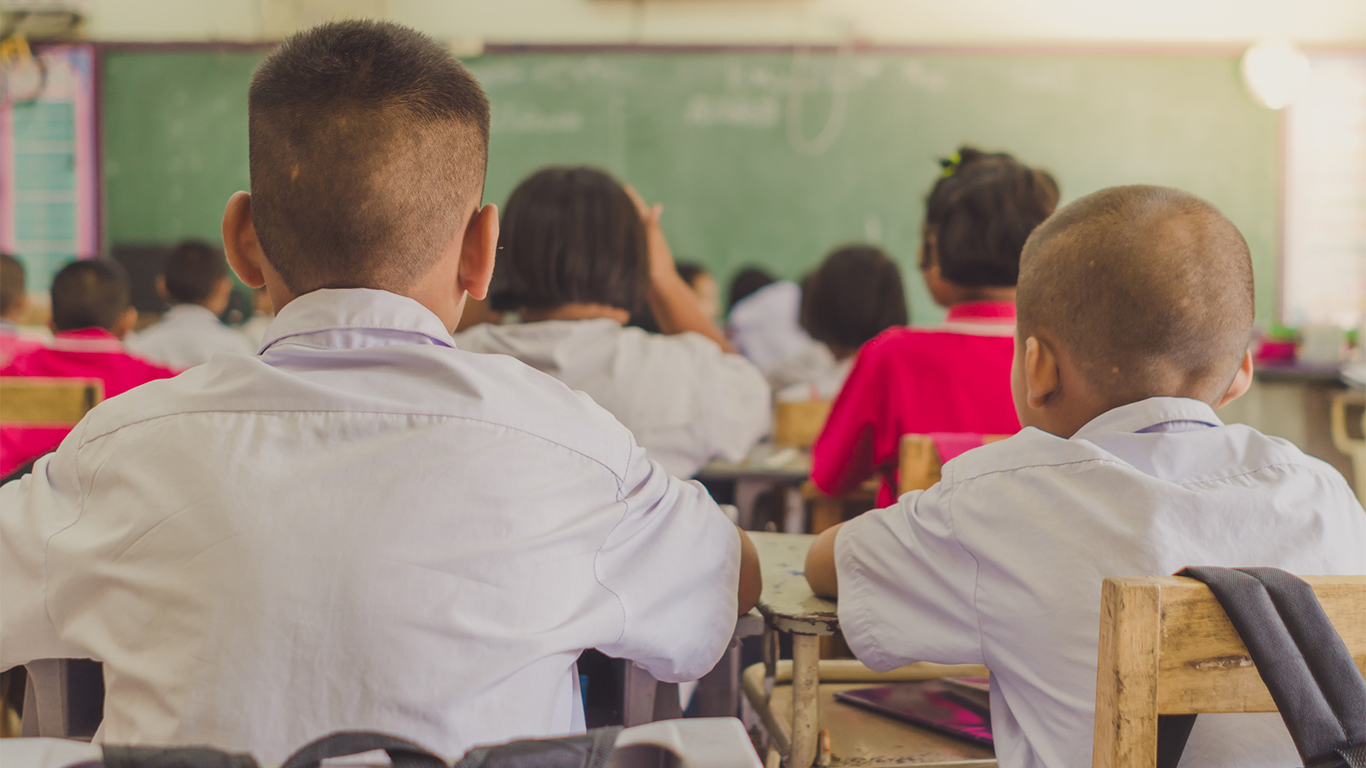
Student engagement is becoming one of the most important goals for teachers around the world. With new technology, shorter attention spans, and changing expectations from learners, the classroom of 2026 looks very different from just a few years ago. Teachers today must blend creativity, structure, and emotional intelligence to keep students active and excited about learning. When students feel connected to the lesson, the teacher, and their own progress, their performance improves quickly. Many educators now rely on a mix of digital tools, personalized learning, and real-world applications to capture attention in ways that feel meaningful and enjoyable.
The three most recommended strategies for improving engagement in 2026 come from teachers who work closely with diverse learners every day. From language schools to digital tutoring platforms, these experts show how powerful engagement becomes when teachers understand what motivates students. Whether the student is a beginner learning a new language or a teen preparing for college exams, these modern strategies help them stay focused, confident, and motivated. Below are the three best approaches educators are using this year to help students participate more, learn faster, and enjoy the process.
1. Make Lessons Personal and Student-Led
Teachers in 2026 are moving away from one-way lectures and shifting toward lessons shaped by the students themselves. Personalized learning builds stronger motivation because students understand how the topic connects to their own goals, culture, or interests. When students see themselves reflected in the class, they participate more freely and confidently. Teachers who include storytelling, open discussions, and real-life conversations often notice faster engagement and long-term retention.
This approach is especially powerful in language learning. Students become more excited when the lesson feels alive, meaningful, and connected to the world around them.
Carmen Jordan Fernandez, Academic Director at The Spanish Council of Singapore, often uses creativity and cultural elements to bring Spanish learning to life.
“I’ve seen students participate more when the lessons include stories from their own experiences. When I let them choose a topic they care about, they open up and use the language more naturally. I enjoy creating activities that mix cinema, culture, and conversation because it keeps the room energized. Personal connection is always the strongest path to engagement.”
Many teachers now begin their lessons with small prompts like “What do you want to learn today?” or “How does this topic relate to your life?” These simple questions shift control to the student and build a stronger sense of ownership.

2. Use Interactive Technology that Encourages Participation
Technology is no longer just a support tool; it is a key driver of engagement. In 2026, classrooms and tutoring platforms use interactive tools to keep students active instead of passive. Digital quizzes, gamified lessons, instant feedback, breakout rooms, and adaptive learning platforms help students stay alert and curious. Instead of just listening, students click, respond, create, and collaborate. This active role reduces boredom and increases focus.
Teachers who have adopted immersive platforms—like virtual cultural experiences, AI-powered practice activities, and language apps—report higher participation and stronger learning outcomes. Interactive tools also help teachers track progress more precisely and adjust lessons based on performance data.
For large programs that serve thousands of learners, technology becomes even more essential.
Yoan Amselem, Managing Director at The German Cultural Association of Hong Kong, has seen how digital innovation transforms engagement in multilingual classrooms.
“I’ve watched students engage more deeply when technology becomes part of their learning routine. When they interact with tools that feel natural and intuitive, they stay focused longer. I enjoy designing digital activities that combine culture, language, and exploration because it makes learning feel dynamic. When the technology supports curiosity, participation grows naturally.”
Many schools now blend online and offline elements: digital flashcards before class, group challenges during class, and reflective prompts after class. This multi-touch engagement keeps the learning experience continuous and exciting.
3. Build a Supportive Environment Where Students Feel Seen and Motivated
The third major strategy in 2026 focuses on emotional engagement. Students learn best when they feel understood, respected, and supported. Teachers are now paying more attention to the emotional side of learning—celebrating small wins, giving personalized encouragement, and building strong relationships. This approach helps reduce student anxiety and improves classroom participation.
Many teachers use goal-setting sessions, confidence-building activities, and small-group discussions to make sure each student feels valued. When students believe the teacher truly cares about their progress, they put in more effort and stay committed.
Digital learning platforms also support this approach by matching students with tutors who specialize in their goals and learning style.
Rakesh Kalra, Founder and CEO of UrbanPro Tutor Jobs, has seen emotional engagement play a huge role in student success.
“I’ve seen learners thrive when they feel their goals are understood and supported. When tutors give clear guidance and steady encouragement, students stay motivated even during tough topics. I enjoy watching learners build confidence through personalized learning because it changes their entire mindset. Supportive teaching creates long-lasting engagement and better results.”
A supportive environment is not only about praise. It also includes structure, clarity, and consistent expectations. Students feel more at ease when they know the learning path and understand what success looks like.
Putting It All Together: What Engagement Looks Like in 2026 Classrooms
When teachers combine personalization, technology, and emotional support, engagement becomes strong and measurable. Students raise their hands more often, participate in group work, complete assignments on time, and show excitement during class. Teachers also notice improvements in reading comprehension, communication, and overall confidence.
Here is what a typical highly engaging lesson in 2026 might look like:
- The teacher begins with a warm question: “What goal are you focusing on today?”
- Students watch a short interactive video or complete a gamified quiz.
- The class splits into small groups for a creative task based on real-life scenarios.
- The teacher gives supportive feedback and celebrates individual progress.
- Students leave the class feeling energized and motivated to practice more.
Engagement has become a system instead of a single moment. Teachers use data from digital tools, emotional cues from students, and creative lesson design to keep learning active from start to finish.
Conclusion: Engagement Comes from Connection, Creativity, and Care
The most effective teachers in 2026 aren’t just experts in their subjects. They are designers of experiences. They build lessons that invite curiosity, encourage participation, and create meaningful relationships with students. Whether they use stories, technology, group work, or emotional support, their goal is the same: help students feel excited and confident as they learn.
Personalized learning keeps lessons relevant. Technology keeps them interactive. Emotional support keeps them sustainable.
When all three come together, engagement becomes natural.