
Online learning has rapidly gained popularity in recent years. With advancements in technology and an increasing demand for accessible education, more students opt for this flexible mode of learning.
This trend is not just limited to adults or working professionals. Students of all ages are discovering the advantages that online education offers. The flexibility, affordability, and accessibility of online learning can often provide a more tailored educational experience.
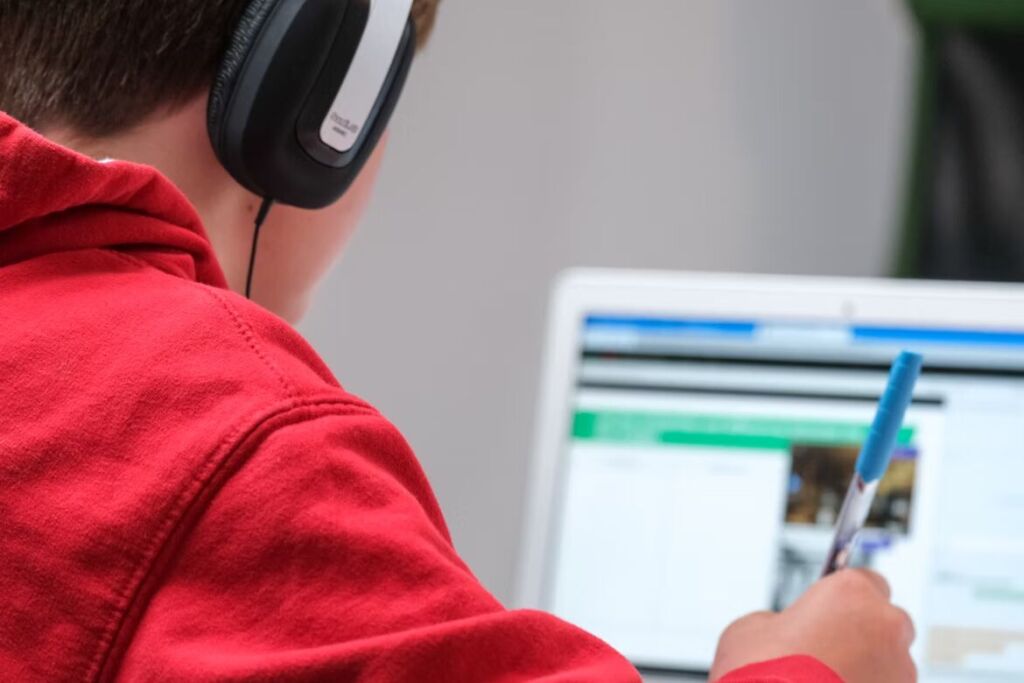
Flexibility in Learning
One of the most significant advantages of online learning is flexibility. Traditional classrooms operate on fixed schedules, requiring students to be in one place at specific times.
In contrast, online education allows learners to set their own schedules. Whether someone is a full-time student, a working professional, or balancing family responsibilities, online courses fit seamlessly into their lives.
Students can choose when to study, enabling them to learn at their own pace. Some may prefer to tackle challenging subjects in the early morning when their minds are fresh. Others might benefit from late-night study sessions after work.
This flexibility develops a more personalized and effective learning experience, as individuals can engage with materials at times that suit them best.
Online learning accommodates different learning styles. Visual learners can benefit from presentations and videos, and auditory learners may prefer recorded lectures.
This diversity allows each student to find their preferred method of studying, leading to better retention of information and success.
Access to Quality Education
Online learning breaks geographical barriers, granting access to quality educational resources from institutions around the globe.
Regardless of location, students can enroll in programs that meet their educational goals. This access is particularly beneficial for those living in rural or underserved areas, where local educational options may be limited.
Students can choose from a wide array of courses and programs, ranging from specific skill development to full degrees. An accredited online high school program can provide students with critical skills and knowledge without the constraints of physical classroom requirements. This flexibility encourages a diverse pool of learners, which enriches classroom discussions and collaboration opportunities.
Many reputable institutions offer online programs, guaranteeing that students receive quality education backed by established universities.
Engaging with professors and peers from various backgrounds facilitates cultural exchange and improves critical thinking skills. The ability to learn from esteemed educators online can significantly influence a student’s success.
LOCAL NEWS: Phoenix housing market outpaces national trends again in 2025
INDUSTRY INSIGHTS: Want more news like this? Get our free newsletter here
Affordable Learning Options
Cost is a critical factor for many when pursuing education. Online courses often present a more economical alternative compared to traditional schooling.
Students save on transportation, housing, and other associated costs that physical attendance requires. Shifting to online education makes it feasible for students to reduce their financial burden.
Many online programs offer competitive tuition rates, making higher education more accessible to many. In addition, numerous institutions are beginning to provide financial aid and scholarships aimed at online learners.
This makes education more affordable and encourages wider participation from individuals who might have previously felt excluded due to budget constraints.
Accessibility extends beyond tuition costs. Online learning often requires fewer materials than traditional classroom settings, where textbooks and physical supplies can add up.
Digital resources reduce the cost of education, allowing students to invest in their learning without the stress of high expenses.
Developing Skills
Online learning necessitates self-motivation, responsibility, and time management. These skills are invaluable in both academic and professional settings.
Students must actively engage with the course materials without constant supervision, developing a sense of independence. This autonomy encourages learners to develop habits that prepare them for the workforce, demonstrating that they can balance tasks effectively.
Online education often incorporates collaborative tools and requires students to communicate with peers virtually. This experience promotes critical skills like teamwork and digital literacy, which are increasingly demanded in the job market.
Employers value candidates who can navigate technology comfortably and work well in collaborative settings, which can set online learners apart from their peers.
As individuals progress through their courses, they build a robust set of competencies. Completing an online program helps to boost confidence and reinforces the importance of lifelong learning, molding students into adaptable and resourceful individuals.

Image source:https://pixabay.com/photos/girl-laptop-school-supplies-student-5662435/
Creating Personal Connections
Though online learning may seem isolating, it offers unique opportunities for social interaction. Many programs encourage group projects, discussions, and forums that allow students to connect with peers worldwide.
Building relationships in this virtual environment can lead to lifelong friendships and professional networks.
These platforms provide learners with a chance to share perspectives and expertise, developing a collaborative atmosphere that enriches the educational experience.
Engaging with diverse viewpoints can challenge students to think critically and be more open-minded, contributing to their personal development.
Instructors often provide mentorship and support through virtual channels, helping students navigate their academic journey.
The availability of faculty for questions and guidance guarantees that learners do not feel abandoned and develops a sense of belonging, even within an online setting.
Online learning brings numerous benefits, including flexibility, access to quality education, affordability, and the development of important skills.
Students can benefit from a customized learning experience that meets their needs by adopting a distinctive educational strategy.
As more individuals discover the advantages of online education, it is undoubtedly a worthy thought for anyone looking to achieve their academic and professional goals.