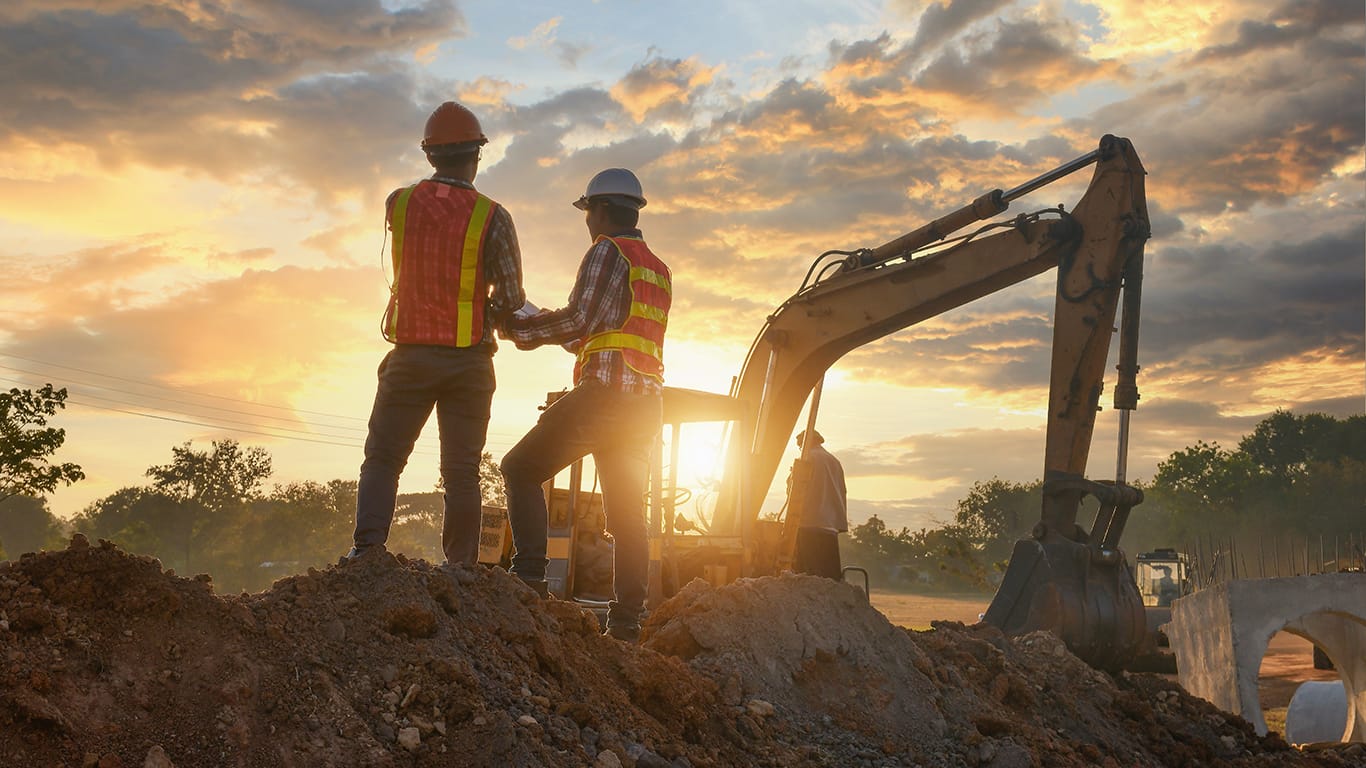
In terms of safety training, one of the most important jobs completed in both construction and industrial sites is safety training. These workers are exposed to many different types of hazards on a day-to-day basis while operating heavy machinery, including working from heights, using specialized equipment, etc. While safety programs are considered to be an integral part of any safety program, many traditional training methods can be too repetitive, complicated, or just not functional on a large scale of employees.
DEEPER DIVE: How Silicon Desert is powering Phoenix industrial surge
READ MORE: Phoenix industrial market ranks No. 7 in nation
AI avatar technology is giving organizations new ways to help improve the learning experience for employees while ensuring they comply with safety requirements. When all the training being given in the company comes from the employee reading through manuals, attending class/faculty training presentations, and attending school, employees benefit less than they should. Using creative training videos developed via digital technology such as Pippit will help to communicate and engage employees in learning necessities and improve their ability to recognize and adhere to the information they receive.
Making complicated processes digestible, step by step lessons
Construction and industrial workplaces may have processes that demand attention to detail. The workers must be aware of the correct use of working equipment, how to respond to emergencies, how to identify hazards and workplace regulations.
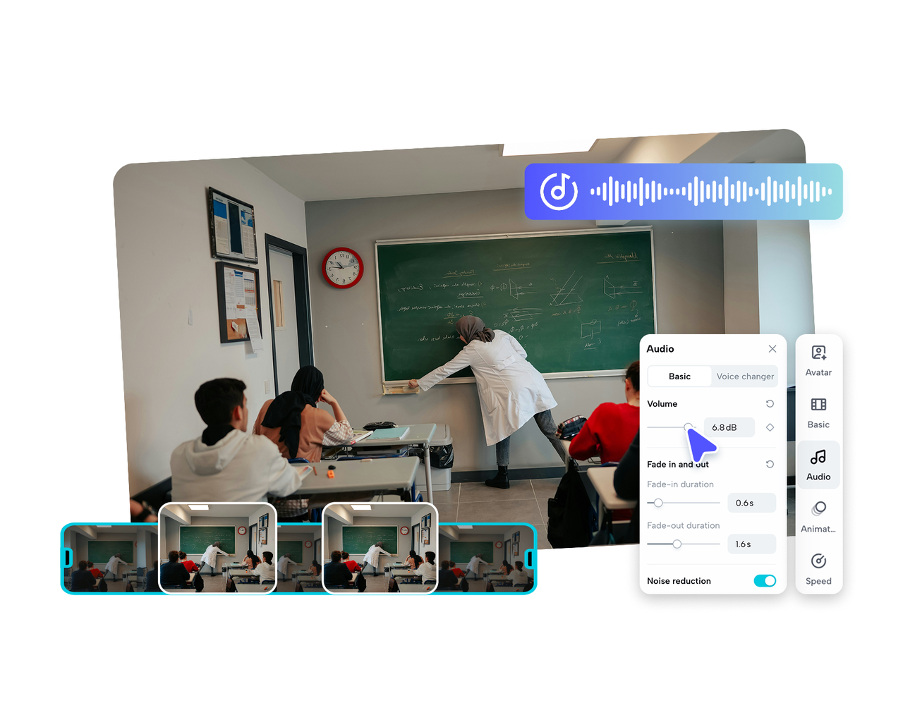
These topics are presented in manageable lessons by using avatar-led training videos. A presenter can provide step-by-step instructions on procedures, while visual examples are displayed on the screen. This helps to make the information easier to comprehend and minimizes the potential for confusion in critical directions.
Enhancing consistency at multiple job sites
When an organization has several facilities or project sites, it is often difficult to provide uniform training. Variations in information presented by different trainers can lead to different ways of communicating procedures.
Use of avatar videos will standardise safety education by presenting the same message to all employees. Workers are given the same instructions, based on company policy, regardless of their location for training, which may be at a construction site, manufacturing plant, warehouse, or industrial plant.
Facilitating communication in the workplace with multiple languages
There are a number of construction and industrial employers who collaborate with a variety of teams that includes language different individuals. Effective communication of safety procedures is key, especially when dealing with multiple languages.
Content for avatar training can be translated into multiple languages to assist in providing clear instructions to a wider population of workers. Information is offered in the employees’ native language and educational experience is the same.
Changing lives in safety education with Pippit
In Pippit, you can get an effective and efficient workflow for creating engaging workplace safety videos.
Step 1: Choose any avatar from the list
To access the Pippit Video Generator, log into Pippit and select the “Video Generator” link located in the left menu. The “Avatar Video” option is found under Popular Tools on the Pippit website. This feature enables users to sync avatar voiceovers, making it simple to generate compelling video content.
There is a selection of templates available for users to choose from. However, it is important to consider the needs of your audience and your training objectives when selecting an avatar template.
Step 2: Lip sync with your script
Once you’ve entered the avatar tools, choose your desired avatar from the “Recommended avatars” section. You can filter the avatars based on their gender, age and industry etc to get the right avatar for your video. Once you choose an avatar, click on “Edit script”, which will allow you to add dialogue to the avatar. You can create dialogue in multiple languages and the avatar will synchronize the words to the corresponding lip movements. Additionally, to enhance your video, scroll down to Change caption style to select from different caption designs which will enhance your video and create further interest for your audience.
Step 3: Export and share your video
After using lip-synced text in your video, click “Edit more” which allows you to continue to edit the video further. You can continue to tweak the video script, time voice to the video timing, and adjust facial expressions using the video editor to ensure the accuracy is as close to perfect as possible. Adding text overlays and background music will help you elevate your video’s production value even more. When you are ready to export your final video, click on “Export” to choose the video format you want to save the final product as. If you want to share your final video with others right away, click on the “Publisher” button to publish your new final video to TikTok, Instagram, or Facebook, or set your own date for the published video to be shared. The “Analytics” tab allows you to track how well your final video is doing by providing you with information about how many total views you have and what people did after viewing your final video.
Easing training bottlenecks by making content scalable
Typical safety programs are often time-consuming, schedule dependent, and involve bringing employees to a particular place for the program. These requirements may pose logistical problems, especially for big organizations.
Videos with the avatar allow flexible learning which the employee can use when necessary. New employees are able to pass through the modules for onboarding, and more seasoned staff members can refresh themselves as a refresher course.
Others will also add Pippit’s video agent to their content production processes to help with updates and ensure that all departments have the same educational content.
Promoting a better safety awareness culture
Safety programs do more than just communicate rules. They help develop a culture of employees understanding the importance of safe practices and contributing to risk prevention.
This culture is fostered by engaging training content that helps to make information more understandable and relevant to work activities. A well-informed worker is more likely to be self-assured in safety identification and in adhering to procedures.
The future of safety training is more dynamic and accessible
The construction and industrial employers are still searching for how to educate their employees to high standards of safety. Avatar-based trainings videos are a viable option that provides consistency, accessibility and engagement.
Organizations can benefit from learning outcomes optimization, effective communication in multiple languages, and the ability to deliver training on a wide scale, all while enhancing their workplace safety programs. Working with Pippit, businesses can create these experiences without the complexity.