Social media “before and after” photos look great, but they don’t show a surgeon’s clinical skill or safety record. Formal qualifications remain the most reliable foundation for your safety and long-term satisfaction.
This article serves as a roadmap for evaluating credentials and professionalism objectively. By looking past the marketing, you can identify a practitioner who has the technical expertise and ethical standards necessary for a successful transformation.
Key Signs You Are Consulting a Properly Trained Plastic Surgeon
Proper training involves more than earning a medical degree. It is a rigorous, years-long process that includes verifiable education, strict ethical codes, and high clinical standards.
Board Certification From a Recognized Medical Board
Board certification is the gold standard in the industry. This status indicates that a surgeon has completed a specific plastic surgery residency and passed comprehensive exams.
Certified surgeons are regulated by a medical board and must regularly update their knowledge of safety measures and cutting-edge techniques. This is your best protection against poor-quality work.
Advanced or Fellowship-Level Surgical Training
Residency provides the foundation, but many top-tier surgeons seek fellowship-level training to master specific areas. This might include craniofacial surgery or complex aesthetic procedures.
When you choose a board-certified plastic surgeon with advanced training, you hire someone who understands a wide variety of anatomical challenges. These surgeons know how to manage complex cases with precision and care.
Willingness to Discuss Risks, Limitations, and Alternatives
Be cautious of any surgeon who only focuses on the positives. A professional doctor will be honest with you rather than just trying to sell you a procedure.
They should take the time to explain the potential downsides and the realistic limitations of a procedure. If a surgeon suggests that a surgery is “risk-free” or “perfect for everyone,” they likely prioritize a sale over your well-being.
Personalized Evaluation
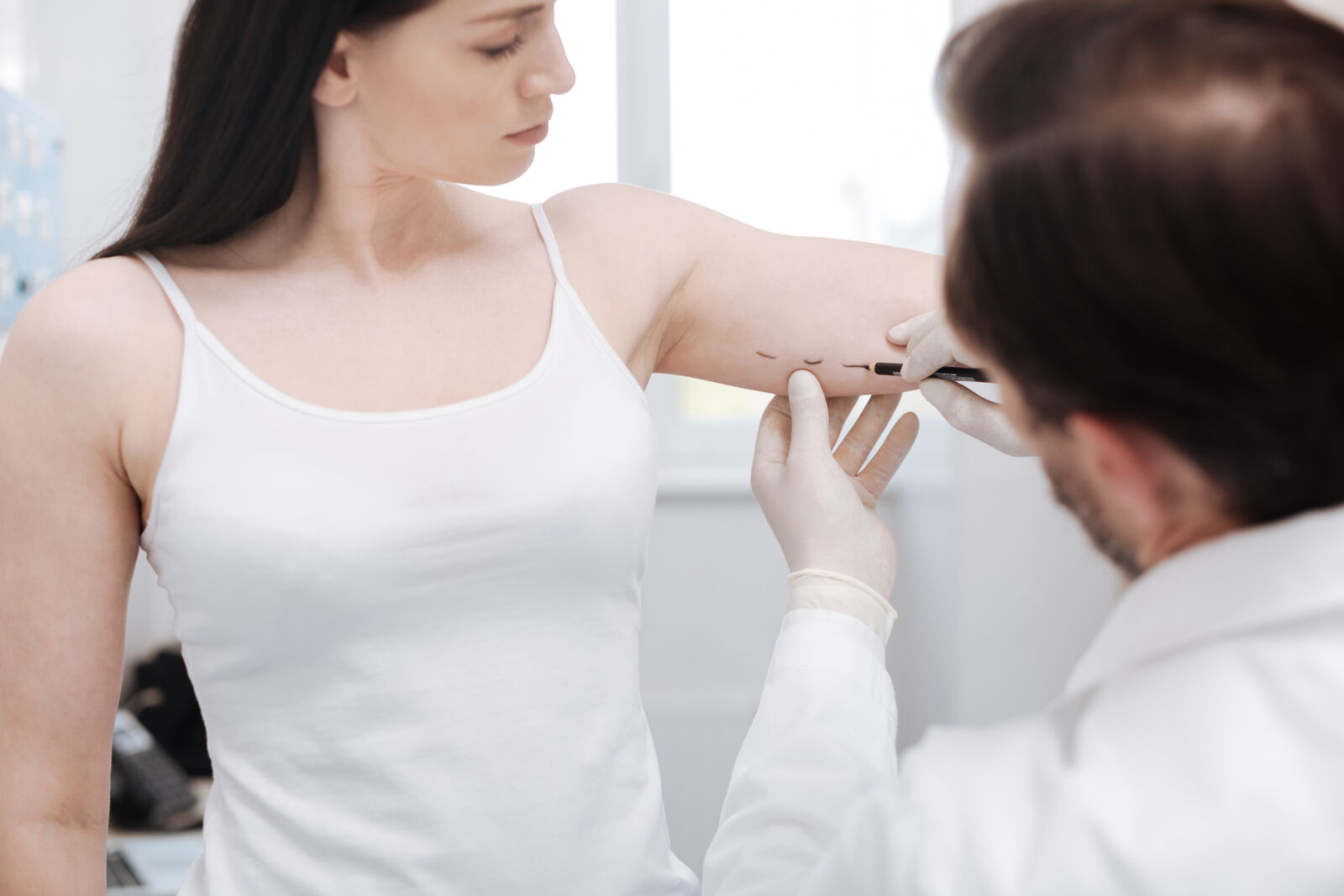
Expert surgeons do not offer “cookie-cutter” solutions. They perform a physical examination that takes into account your unique anatomy, skin quality, and medical history.
A properly trained surgeon will often tell you “no” if they believe a specific procedure isn’t in your best interest. They tailor a treatment plan to your specific goals rather than pushing a generic package deal.
Accredited Surgical Facilities and Qualified Medical Staff
Safety extends beyond the surgeon to the environment where the procedure happens. A reputable surgeon only operates in accredited facilities. These centers meet the same safety standards as major hospitals.
Additionally, their support team includes highly trained nurses and medical staff who can handle any emergency and provide world-class care throughout your recovery.
Why Training and Credentials Matter More Than Popularity
In an era of “Instagram-famous” doctors, it is easy to mistake a large following for high-quality care. However, a viral video does not guarantee surgical skill. Marketing hype can be bought, but credentials must be earned through decades of work.
Credentials and experience directly impact your safety. A surgeon with proper training understands the “why” behind every incision, not just the “how.” They are trained to handle the rare but serious complications that can arise during or after surgery.
Common Red Flags Patients Should Not Ignore
Some situations during a consultation might require a closer look before you move forward.
- Unclear Credentials: If a surgeon cannot easily name their specific medical board, take a moment to verify their status online.
- Sales Pressure: Be careful of “limited-time discounts”. Quality medical care should never feel like a rushed sales pitch.
- Unrealistic Outcomes: If a surgeon promises you will look exactly like a celebrity photo, ask how your specific anatomy will affect the results.
- Communication Style: If a doctor seems dismissive of your safety questions, consider whether you feel comfortable with their level of transparency.
- Hospital Access: It is worth asking if the surgeon has privileges at a local hospital. This access acts as an extra layer of professional vetting.
Final Thoughts
Aesthetic surgery is a medical procedure, not a retail purchase. You should focus on the facts: a surgeon’s board status, their years of training, and their hospital privileges.
Don’t rush the process. Your body and your health deserve the highest level of care available. Take the time to verify every claim and ask the hard questions. Most professional surgeons welcome this level of detail because they have the credentials to back up their work.