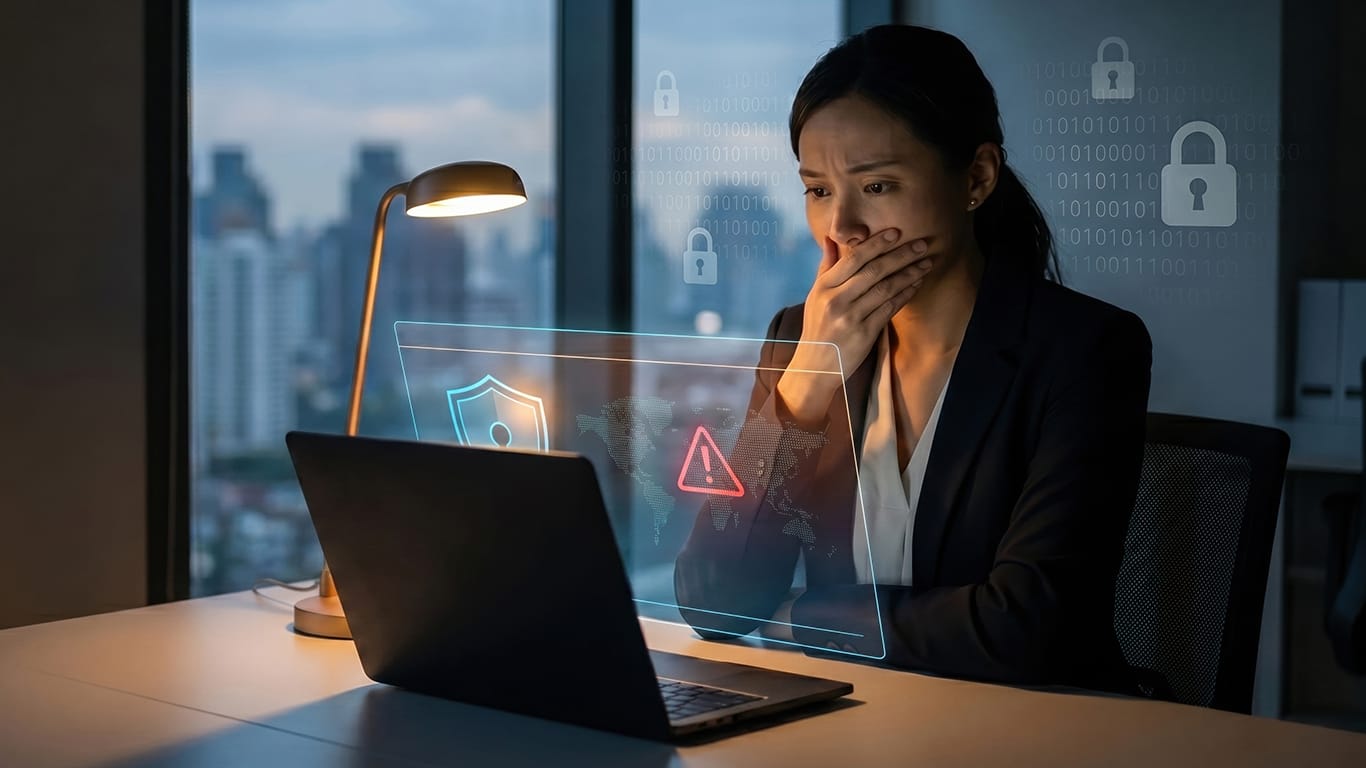
Cybersecurity used to feel like something that sat neatly in the IT department, handled by people who understood firewalls, passwords, strange alerts and all the technical language that made everyone else politely nod and move on. These days, though, the risk feels much closer to everyday business life. A suspicious email, a fake invoice, a compromised login or a convincing message from someone pretending to be a supplier can create real damage before anyone has time to realise what is happening.
The challenge is becoming more complicated because Australian organisations are facing AI-driven attacks that can look more polished, more personal and more believable than the clumsy scams people were taught to spot years ago. It is no longer enough to tell staff to watch out for bad spelling and strange email addresses, because modern attacks can imitate familiar writing styles, use convincing branding and arrive at exactly the kind of moment when someone is busy enough to act quickly.
The Human Side of Cyber Risk
A lot of cyber incidents begin with ordinary human behaviour. Someone clicks a link because the email looks urgent. Someone approves a payment because the request appears to come from a senior colleague. Someone reuses a password because they are juggling too many logins already. These are not signs that people are careless or incapable; they are signs that attackers understand pressure, routine and trust.
That is why security awareness has to be practical rather than patronising. Staff need to know what risky situations look like in the context of their actual work, not just in a generic training module they click through once a year. A finance team needs to recognize payment red flags. A customer service team needs to understand data-handling risks. Executives need to realise they can be impersonated or targeted just as easily as anyone else.
WOMEN IN BUSINESS: The Most Influential Women in Arizona for 2026
WOMEN IN REAL ESTATE: The Most Influential Women in Commercial Real Estate for 2026
Smarter Threats Need Smarter Habits
Technology still matters enormously, of course. Strong authentication, secure backups, endpoint protection, monitoring and clear access controls all help reduce the chance of a serious incident. But the habits around the technology matter too. If people bypass systems because they are inconvenient, ignore updates because they always appear at the wrong time, or share sensitive information through informal channels, the organisation is still exposed.
Good cybersecurity is not about creating panic every time an email arrives. It is about building a culture where people pause before acting on unusual requests, verify changes through a second channel, report suspicious activity early and understand that small delays are much better than expensive mistakes.
Preparation Beats Scrambling
One of the biggest differences between a stressful incident and a manageable one is preparation. Businesses need to know who responds, what gets isolated, how communication will be handled and what happens if systems go offline. Trying to invent that plan in the middle of an attack is a bit like looking for the fire exits after the smoke alarm has already gone off.
Staying Alert Without Freezing Up
Cyber threats will keep changing, and AI is likely to make some attacks faster and harder to recognise. But that does not mean businesses need to operate in fear. With the right mix of technology, training, process and calm decision-making, organisations can become much harder targets while still getting on with their work. The goal is not to make every employee a cybersecurity expert; it is to give people enough confidence to notice when something does not feel right and act before a small moment becomes a serious breach.