This is how a professional towing process works
A broken-down vehicle, an accident, or a blocked parking space can necessitate a towing service. But what happens between the initial contact and the safe removal of the vehicle? This guide explains the professional process – from providing information about the location and selecting the appropriate tow truck to transporting the vehicle to the agreed destination. If, on the other hand, you wish to tow a car privately using a rope or tow bar, you will find the rules in the guide “Towing a Car Yourself”
Towing service – more than just “loading cars”
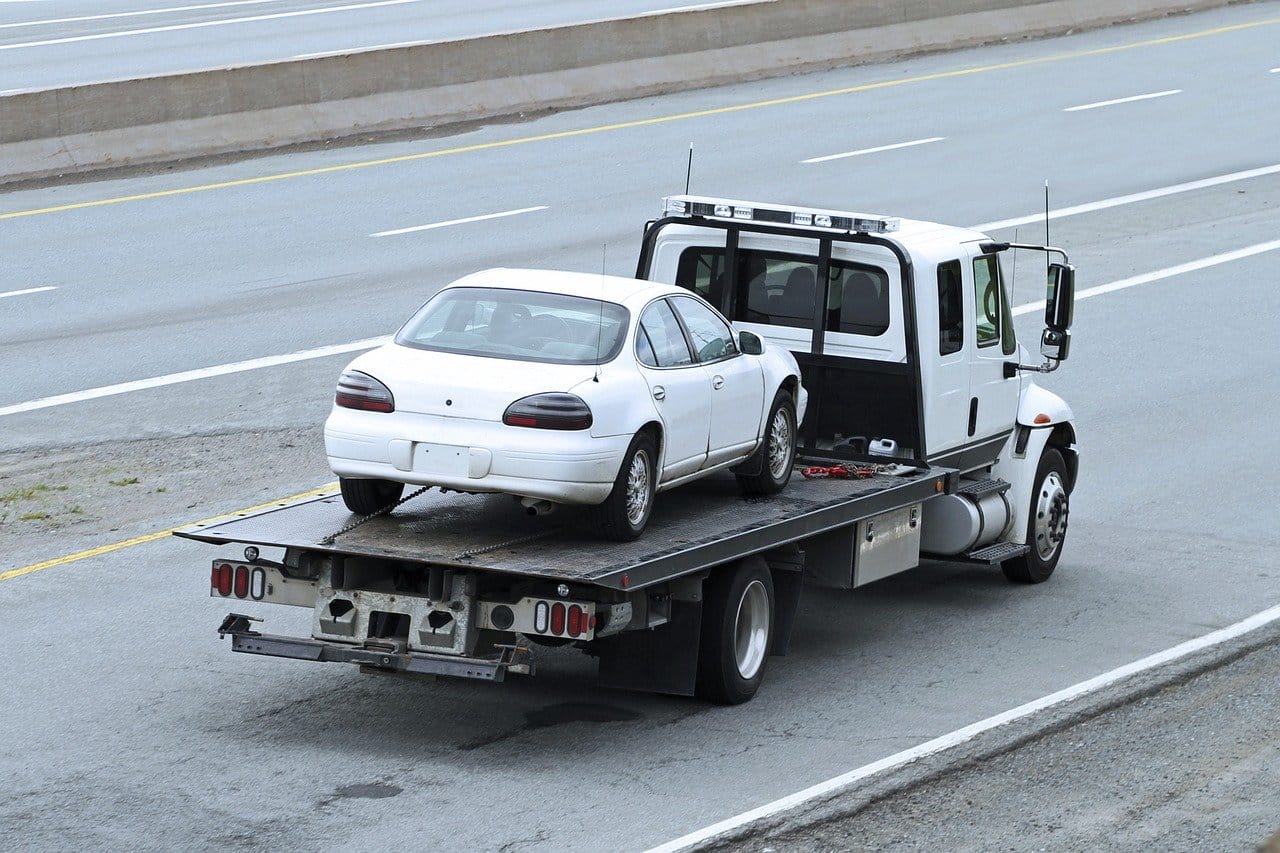
The image many people have in their minds is clear: a large vehicle with flashing lights arrives, a broken-down car is loaded onto it, and off they go. It’s not quite that simple. A modern towing service is a logistical all-rounder, equipped with technology, expertise, and a large dose of composure – because things often get hectic and emotional when a vehicle refuses to go any further.
The first step is the dispatch report. Crucial information includes the location, vehicle type and weight, vehicle condition, type of breakdown or damage, and the desired destination. The more precise this information, the better the vehicle and equipment can be selected for the call. FutureTowing is available 24/7 for towing and breakdown assistance.
At the scene: First assess, then act
At the scene, the vehicle’s condition is first assessed to determine how it can be safely removed. Factors considered include the vehicle type and weight, any damage, accessibility, and special circumstances such as underground parking, accident location, or locked wheels. FutureTowing does not perform repairs on the vehicle. If the vehicle is not drivable, its removal is arranged according to the specific circumstances.
The most suitable mode of transport depends on the vehicle and its specific situation. For cars, vans, automatic vehicles, as well as electric and hybrid vehicles, the respective technical specifications must be taken into account. The goal is to transport the vehicle as gently and safely as possible, without causing additional damage.
What technology is used for towing?
Depending on the situation, different towing and recovery techniques are used. Crucially, vehicle weight, drive system, position, and accessibility must be taken into account. For challenging situations such as underground parking garages or vehicle recovery operations, the technology used must be appropriate for the specific circumstances.
Before charging, important components such as the handbrake, gears, and electronic locks are checked and prepared accordingly. The goal: to move the vehicle as gently as possible – without causing any additional damage.
Where is the vehicle being transported to?
Once the vehicle is safely stowed, we can continue. Exactly where depends on the situation:
Is the owner present? Then the car is usually driven directly to the preferred repair shop.
Vehicles parked illegally end up in an impound lot.
In some cases, the police make the decision about the parking location.
Depending on the order, the vehicle condition, handover, and destination are documented. The required documents depend on the specific assignment.
What makes a good towing service?
Not just anyone can simply drive off and tow vehicles. Good service providers have trained staff, modern equipment, local knowledge, and—most importantly—sensitivity. Those affected are often stressed or angry. A friendly word, a transparent process, and a calm demeanor can make all the difference.
Furthermore, a good towing service is flexible. Whether it’s a breakdown, accident, illegally parked vehicle, or technical emergency – the areas of operation are diverse. The clientele is equally diverse: private individuals, repair shops, car dealerships, insurance companies, government agencies, or companies with vehicle fleets.
Conclusion: professional towing service instead of improvisation
Towing services make a quiet contribution every day to keeping our roads safe and traffic flowing smoothly. They help people in need, ensure clarity in traffic violation cases, and are there when things come to a standstill.
Whether it’s a breakdown, an accident, or parking chaos: behind every call-out lies organization, expertise, and a friendly person with a wealth of experience. A small token of appreciation during the next call-out is definitely in order – and who knows, you might even get a little smile out of it, knowing what goes on behind the scenes.
Frequently Asked Questions (FAQ) about the towing service
How long will it take for the tow truck to arrive?
This depends on the location, traffic conditions, time of day, and current workload. Therefore, a general arrival time cannot be reliably given. The current situation for the specific deployment can be assessed when contact is made.
Can my car be towed from an underground parking garage?
Yes, FutureTowing also handles towing and recovery operations from underground parking garages. Whether and how a vehicle can be accessed depends on factors such as the entrance height, available space, vehicle position, and weight.
How much does towing cost?
The costs depend on the effort involved, the time of day, and the distance. We provide transparent information in advance – there are no hidden surprises.
Will my car be taken directly to the repair shop if it breaks down?
Yes, if the vehicle is not roadworthy, it can be transported to the desired workshop or another agreed destination. The specific destination will be agreed upon when the service is commissioned.
Can I, as a company or property management company, also regularly rely on your services?
Yes, FutureTowing also works for property management companies, businesses, workshops and car dealerships, freight forwarders and logistics companies, insurance companies, and government agencies. Specific collaborations and recurring assignments can be individually tailored.
Your reliable contact person – available 24/7!
Whether it’s a breakdown, accident, vehicle transport, or blocked access: FutureTowing is available around the clock for towing and breakdown assistance. The more precisely you describe the location, vehicle, and situation, the more effectively the response can be prepared.