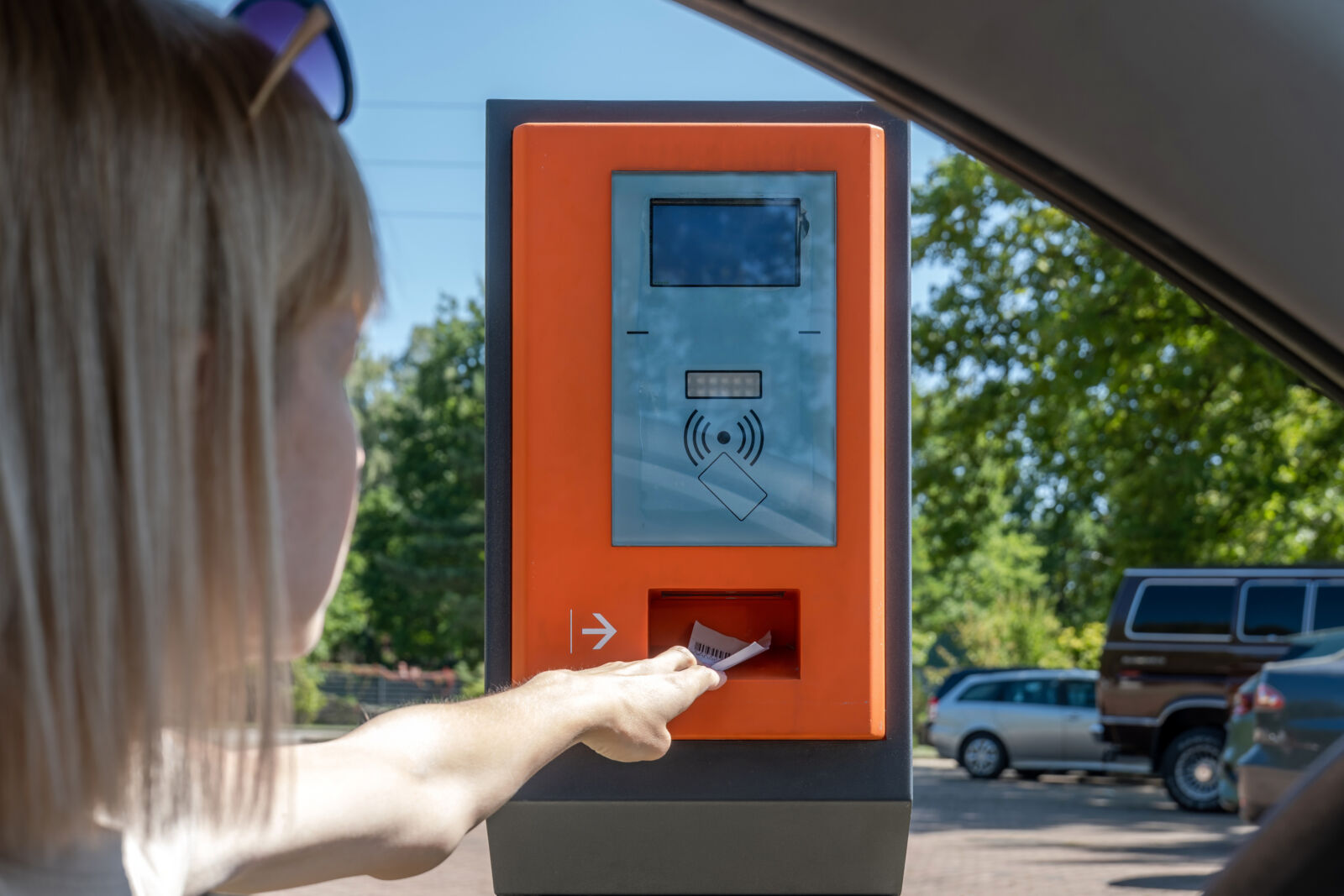
Managing a parking facility used to require constant attention. You needed attendants to hand out tickets, collect payments, and handle cash. A manager had to monitor daily reports and make sure no mistakes were made. Even small errors could lead to lost revenue. It was time-consuming and expensive to run. Today, things are different. Cities are growing, and people expect faster, easier service. Parking operations need to be more efficient than ever.
If you want to lower your operating costs without hurting the customer experience, the best place to start is at your entry and exit points. Switching to an automated system like a parking kiosk is not just about using new technology. It is a smart way to reduce labor costs, prevent revenue loss, and run your facility more smoothly.
The High Cost of Human Error and Labor
Labor is consistently the largest line item on any balance sheet. In the parking industry, relying solely on manual booth attendants means paying for 24/7 coverage, benefits, and training. Beyond the hourly wage, there is the inevitable reality of human error. Whether it is a misplaced decimal point or a lost ticket, these small mistakes aggregate into significant annual losses.
Automated systems remove these variables. A kiosk does not need a lunch break, and it certainly does not get tired during a graveyard shift. By automating the payment process, facility owners can reallocate their human staff to higher-value tasks, such as facility maintenance or security patrols, rather than simple transaction processing.
Plugging Revenue Leakage with Automation
One of the most frustrating aspects of traditional parking management is “leakage.” This occurs when revenue is lost due to theft, unrecorded transactions, or “sweethearting” (where attendants give free parking to friends).
Modern systems provided by industry leaders like Parking BOXX utilize encrypted software and real-time reporting to ensure every cent is accounted for. When a driver interacts with a digital terminal, the transaction is logged instantly in a cloud-based dashboard. This transparency makes it nearly impossible for funds to go missing between the curb and the bank account.
Improved Accuracy and Auditing
- Digital Logs: Every entry and exit is timestamped and recorded.
- Exact Totals: Software calculates rates, including early bird specials or holiday surges, with 100% accuracy.
- Audit Trails: Managers can pull reports remotely to verify daily takings against physical cash (if the kiosk accepts it) or digital deposits.
Slashing Maintenance and Hardware Overhead
Older parking systems often relied on heavy mechanical components that were prone to jamming or breaking. Modern kiosks are designed with a “less is more” philosophy regarding moving parts. High-quality thermal printers and industrial-grade touchscreens are built to withstand thousands of interactions with minimal wear and tear.
Furthermore, remote diagnostics have changed the game for maintenance. In the past, if a gate stayed down, you had to dispatch a technician immediately. Today, many issues can be diagnosed and even fixed via software updates or remote restarts. This reduces the number of “truck rolls” or service calls, saving hundreds of dollars in dispatch fees every month.
FOOD NEWS: 25 places for great patio dining in Arizona
THINGS TO DO: Want more news like this? Get our free newsletter here
Enhancing the Customer Experience While Saving Money
It might seem counterintuitive, but spending less on staff can actually lead to happier customers. Today’s drivers value speed and autonomy. They want to tap a credit card or scan a QR code and get on with their day.
Why Customers Prefer Self-Service
- Speed: Automated transactions are typically 30% to 50% faster than manual ones.
- Payment Variety: Kiosks easily handle Apple Pay, Google Pay, and EMV chip cards, which is often difficult for a manual attendant to manage without expensive mobile hardware.
- Clarity: Digital screens display the exact cost and duration, removing any “haggling” or confusion at the exit.
By providing a seamless, self-managed experience, you reduce the “friction” of parking. This leads to higher retention rates and more frequent visits, which boosts the bottom line while keeping your operational footprint small.
Data-Driven Decisions for Smarter Scaling
When you install a parking kiosk system, you are not just adding a payment machine. You are setting up a smart system that collects useful data. It tracks when your parking lot is full and when it is empty. Instead of guessing when to offer discounts or change your rates, you can rely on real numbers. For example, if the data shows that your lot is only 20 percent full on Tuesday mornings, you can quickly create a Tuesday special using your software. This flexibility helps you fill more spaces and increase revenue. And you can do it without needing a large team to review paper tickets or study manual reports.
Sustainability and Reduced Resource Waste
Going digital is also a win for the environment and your supply budget. Paper tickets are a recurring expense that adds up over time. Many modern kiosks offer “ticketless” options, where a driver’s license plate acts as their credential (LPR technology).
Reducing the reliance on physical consumables means:
- Lower spending on thermal paper rolls.
- Less litter in and around your parking facility.
- Fewer mechanical jams caused by discarded or crumpled tickets.
The Long-Term ROI of Modern Systems
While the initial investment in high-end equipment may seem daunting, the Return on Investment (ROI) is usually realized within the first 12 to 18 months. When you factor in the saved wages, the eliminated theft, and the increased throughput, the hardware effectively pays for itself.
In a competitive market, the most profitable lots are those that run lean. Automation allows you to scale your business. If you own three lots, managing them with manual attendants requires a massive management structure. If you own three lots powered by automated kiosks, you can manage all of them from a single smartphone app.
Conclusion
Automation in the parking industry is no longer just a nice upgrade. It is becoming essential for staying profitable. Adding a parking kiosk helps protect your business from rising labor costs and the common mistakes that come with manual data entry. You get clear insight into your revenue while giving drivers the fast and reliable service they expect. Whether you manage a small private lot or a large multi level garage, the goal is the same. You want to make the most of every parking space while cutting unnecessary expenses. Moving to a smarter, automated system is one of the most effective ways to achieve that balance.
If you are ready to find out how much you could save by automating your facility, now is the time to take action. Connect with a trusted provider like Parking Boxx to review your current setup and choose the right solution to modernize your parking operations.