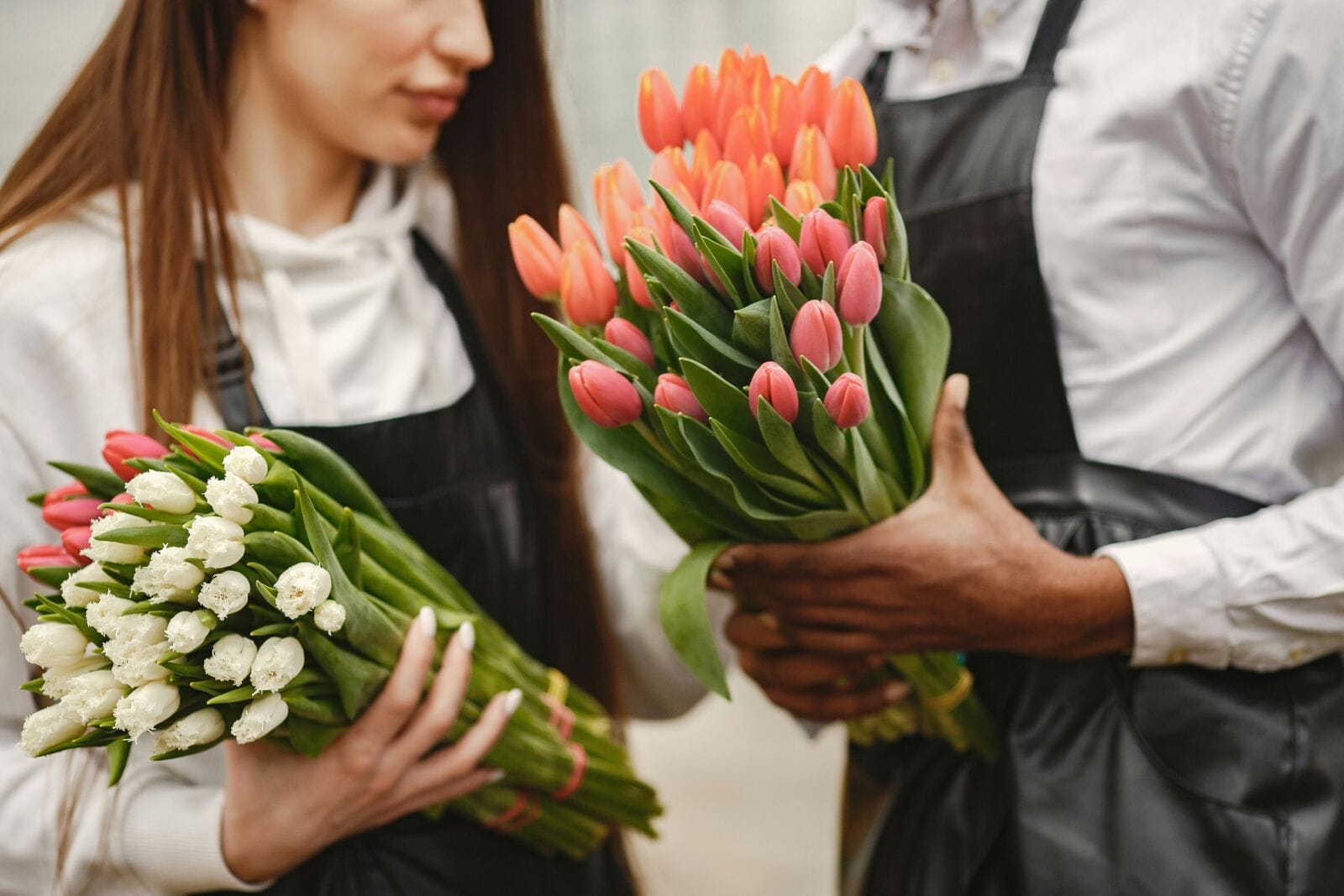
When discussing thriving small businesses, most people picture tech startups or e-commerce ventures. Yet local florist businesses and expert florist services have quietly cultivated an economic success story that defies industry trends nationwide. These botanical entrepreneurs aren’t just arranging flowers; they’re running sophisticated operations that generate millions in revenue while navigating supply chain challenges that would make logistics professionals break into cold sweats.
The transformation of the floral industry mirrors broader economic shifts making small business entrepreneurship viable again. Contemporary wedding florist trends demonstrate how floral businesses have evolved from simple flower shops into design studios creating immersive experiences that command premium pricing and attract discerning clients. Meanwhile, Martha Stewart’s wedding expertise insights reveal how the event floral market has matured into a multi-billion dollar industry where skilled practitioners earn recognition as artists rather than mere vendors, elevating the entire profession’s economic potential.
Supply Chain Mastery Meets Creative Vision
Running a florist operation requires the strategic thinking of a supply chain executive combined with the creativity of a designer. Consider the logistics: fresh flowers travel thousands of miles from growing regions in South America, California, or Holland, arriving at distribution hubs before dawn. Temperature-controlled trucks then race against time and climate to deliver blooms to shops where skilled designers transform perishable inventory into arrangements customers need within hours, not days.
Smart florists have turned logistical challenges into competitive moats. The expertise required to maintain flower freshness creates barriers to entry that protect established businesses from casual competitors. A talented designer might possess creative skills, but without understanding hydration techniques, cooler management, and timing precision, those abilities mean nothing when inventory wilts before reaching customers.
DEEPER DIVE: Top 10 Arizona ZIP codes people are moving to in 2025
LOCAL NEWS: 100 best places to work and live in Arizona for 2025
The Consolidation Strategy That Actually Worked
The floral industry experienced fascinating consolidation during the 2008 recession when many businesses folded under economic pressure. Forward-thinking operators recognized opportunity where others saw only crisis, acquiring multiple locations and consolidating operations into efficient central facilities that dramatically reduced overhead while improving service capabilities.
This consolidation strategy mirrors successful approaches in other industries where scale advantages enable investments that smaller operations can’t justify. State-of-the-art cooler systems, advanced inventory management software, and dedicated delivery fleets become economically viable only at certain volume thresholds. Florists who achieved scale during difficult times emerged stronger when economic conditions improved, capturing market share competitors couldn’t reclaim.
The family-owned business model prevalent in the floral industry provides competitive advantages that corporate chains struggle to replicate. Multi-generational knowledge about local preferences, personal relationships with event planners and corporate clients, and operational flexibility that corporate bureaucracy stifles all contribute to sustained success that pure capital can’t easily overcome.
Brand Diversification as Growth Engine
The most successful florist operations have developed multiple brands serving distinct market segments. Traditional retail shops handle everyday orders, upscale wedding divisions capture high-margin event business, wholesale markets serve DIY customers and industry competitors, and specialty divisions address niche opportunities from sympathy arrangements to corporate gifting programs.
This diversification strategy creates revenue streams with different seasonality patterns and risk profiles, stabilizing overall business performance through economic cycles. When wedding bookings slow during economic uncertainty, sympathy and corporate orders may increase. When consumer spending on everyday arrangements decreases, wholesale divisions selling to other businesses maintain volume through different customer bases.
The branding approach also enables premium pricing for specialized services while maintaining value positioning for mass market offerings. A couple spending $15,000 on wedding flowers receives completely different service, consultation, and design expertise than someone ordering a $60 birthday arrangement online. Separating these experiences through distinct brands allows businesses to serve both segments optimally without brand confusion or service degradation.
Technology Adoption Driving Competitive Advantage
Modern florists have embraced technology in ways that transform operations and customer experience simultaneously. Advanced software systems now manage everything from inventory tracking and supplier ordering to delivery routing and customer relationship management. These investments generate returns through reduced waste, optimized staffing, and improved customer satisfaction that drives repeat business and referrals.
Same-day delivery throughout metropolitan areas requires logistics sophistication rivaling e-commerce giants. GPS tracking, dynamic routing, and real-time order management enable promises that seemed impossible a decade ago. Customers now expect the convenience technology enables, making these capabilities competitive necessities rather than optional enhancements.
Social media integration has transformed how florists acquire and retain customers. Instagram showcases designs that attract brides and event planners, Facebook enables community engagement that builds local brand awareness, and Pinterest drives traffic from people planning weddings and special events. The most successful operations treat social media marketing as seriously as traditional advertising, recognizing that visual platforms perfectly suit floral businesses.
The Event Industry Ecosystem
The thriving event industry creates symbiotic relationships where florists, venues, caterers, photographers, and planners all benefit from each other’s success. Florists who build strong relationships within this ecosystem receive referrals driving substantial revenue from trusted recommendations that marketing budgets can’t easily replicate.
The destination wedding market particularly benefits florists serving couples from across the country celebrating in stunning venues. These clients often have larger budgets and more flexible design preferences than locals, creating opportunities for creativity and premium pricing that elevate business profitability and designer satisfaction simultaneously.
Corporate event business provides steady revenue streams distinct from consumer markets. Companies hosting conventions, sales meetings, and corporate celebrations represent reliable customers whose floral needs recur quarterly or annually with predictable budgets and purchasing processes that reduce sales friction compared to individual consumer transactions.
Wholesale Innovation Serving Multiple Masters
The wholesale-to-public concept pioneered by innovative florists creates fascinating business dynamics. Traditional wholesale flower markets served only licensed florists, while retail shops marked up flowers substantially for consumers. The hybrid model opening wholesale facilities to public customers serves wedding DIY enthusiasts, small businesses needing regular floral supplies, and consumers wanting better value than traditional retail provides.
This approach transforms potential competitors into customers. The bride who might have hired a wedding florist instead shops wholesale for DIY arrangements, generating revenue the business wouldn’t otherwise capture. The small event company that couldn’t afford full-service floral design becomes a wholesale customer buying supplies for their own creations.
The Talent Development Challenge
The growing floral industry faces talent challenges that sophisticated operators address through training programs, apprenticeships, and career development paths rare in traditional retail environments. The skills required for advanced floral design take years developing, creating human capital investments that generate competitive advantages competitors can’t quickly replicate.
Master florist certifications and ongoing education demonstrate professionalism elevating the entire industry. Businesses investing in designer development create teams capable of executing complex installations and sophisticated designs that justify premium pricing while delivering client satisfaction that generates referrals and repeat business.
Revenue Models Beyond Bouquets
Successful florists have expanded beyond traditional flower sales into adjacent revenue streams that leverage existing capabilities and customer relationships. Corporate subscription services provide regular floral refreshes for office lobbies and reception areas, creating predictable monthly revenue. Event rental divisions offering vases, pedestals, and decorative elements generate income from assets used repeatedly across multiple events.
Educational workshops teaching floral design to consumers create both revenue and marketing opportunities. Students who learn basic arranging techniques often become retail customers purchasing flowers for practice, while also spreading word-of-mouth recommendations about the instruction quality and business expertise.
Economic Impact Beyond Revenue
Florists contribute to local economies through mechanisms extending beyond direct sales. They employ designers, drivers, customer service representatives, and operations staff providing middle-class careers with skill development and advancement opportunities. They purchase from wholesale suppliers, transportation companies, and service providers throughout regional economies.
The industry’s success also enhances communities as event destinations. Beautiful floral installations elevate weddings and corporate events photographed and shared across social media, showcasing venues and attracting future events that benefit hotels, restaurants, and tourism infrastructure.
Sustainability as Competitive Differentiator
Forward-thinking florists are embracing sustainability practices that resonate with environmentally conscious consumers while reducing operational costs. Local flower sourcing reduces transportation expenses and carbon footprints while supporting regional agriculture. Composting programs transform floral waste into valuable soil amendments that farms and gardens eagerly accept.
Reusable container programs encourage customers to return vases for cleaning and reuse, reducing packaging costs while building repeat customer interactions. These sustainability initiatives create marketing narratives that attract younger consumers whose purchasing decisions reflect environmental values alongside aesthetic preferences.
The Resilience of Human Connection
Perhaps the most remarkable aspect of the florist industry’s success involves its resistance to complete digitization. While technology enhances operations and expands reach, the core transaction remains deeply human. People buy flowers for emotional reasons, celebrating love, expressing sympathy, demonstrating appreciation, or simply brightening someone’s day. These emotional purchases resist the commodification that has transformed many retail categories.
The consultation process for wedding and event flowers particularly depends on personal relationships and trust that algorithms can’t replicate. Couples want to feel understood, to see designers translate vague ideas into concrete visions, and to trust that their most important day will feature floral beauty exceeding their expectations. This human element creates sustainable competitive advantages in an increasingly automated economy.
The florist industry proves that traditional businesses can thrive through strategic thinking, operational excellence, and market positioning that creates sustainable competitive advantages. These botanical entrepreneurs have built substantial enterprises that contribute meaningfully to employment, economic output, and community vitality while demonstrating that success doesn’t require technology disruption or venture capital funding. Sometimes it just requires deep expertise, excellent execution, and the wisdom to recognize opportunity where others see only obstacles.