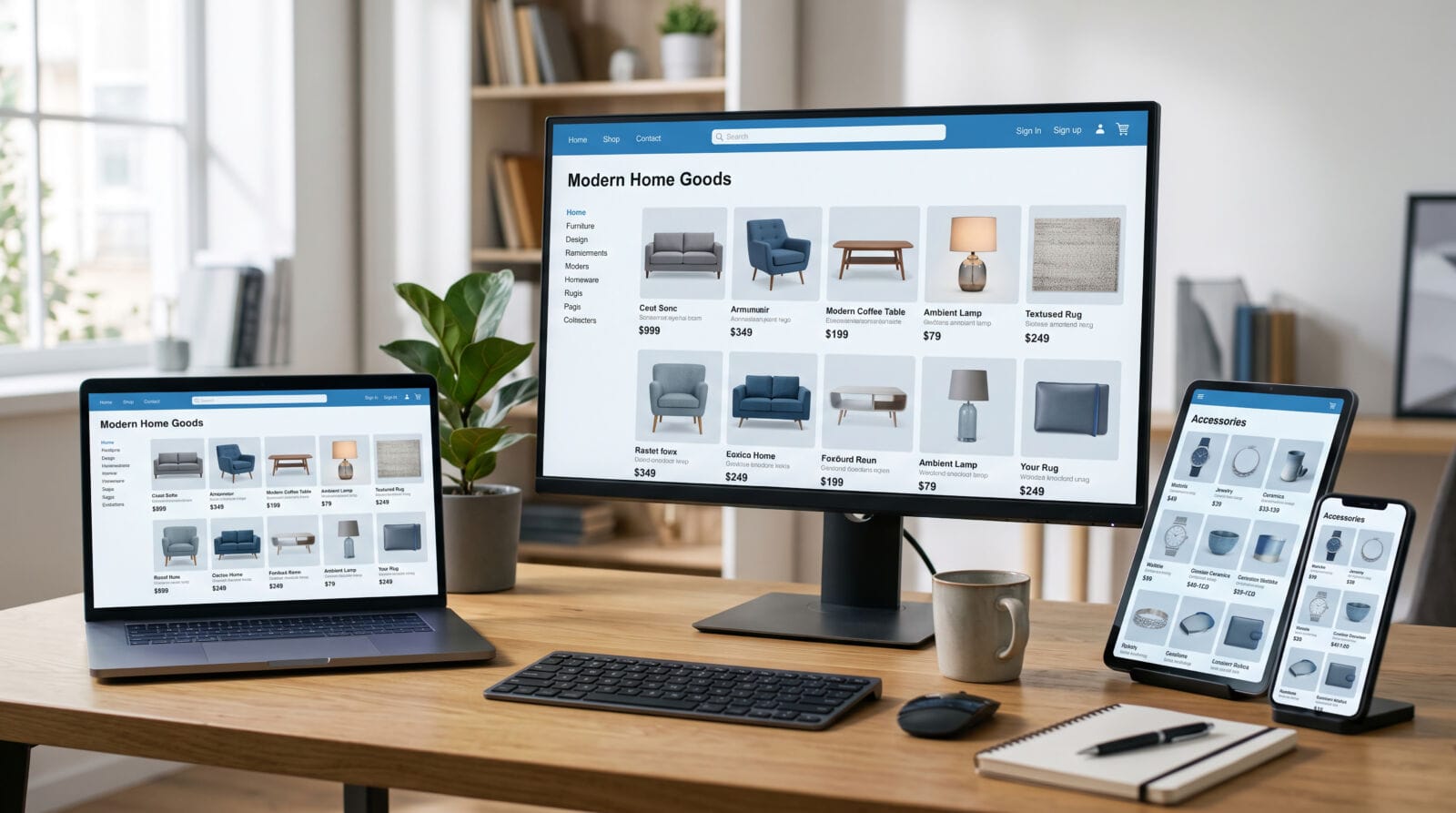
You spend weeks building an online store. You add products, customers start arriving and everything finally feels stable. Then one morning, you log in and notice an account review, extra verification or limited access.
The frustrating part is that many sellers immediately blame the IP address. But modern platforms rarely judge activity based on a single signal. Account history, login patterns, device information, location changes and unusual behavior can all influence how platforms evaluate trust.
That’s why managing multiple online stores requires more than creating separate accounts. You need a consistent workflow that keeps your operations organized while reducing unnecessary confusion.
Understanding how platforms view connections helps you build better habits and manage your stores with more confidence.
Multiple Store Management Is Harder Than Adding More Accounts
Growing an online business often means managing more than one store. Different brands, product categories or markets can require separate accounts and different workflows. The challenge is not creating accounts. The challenge is keeping everything organized.
You may deal with:
- Multiple dashboards
- Different product catalogs
- Team members needing access
- Repeated daily tasks
- Separate business workflows
More accounts create more opportunities, but they also require better systems. Without structure, small mistakes can become difficult to track.
MORE NEWS: Fairmont Scottsdale Princess sold to San Manuel Investment Authority
Why Platforms Look Beyond Simple IP Addresses
Many people assume account trust depends only on the IP address. In reality, platforms often evaluate a wider picture.
They may look at:
- Login patterns
- Device signals
- Account behavior
- Location changes
- Activity timing
Understanding how platforms evaluate activity explains why sellers consider a residential IP for multiple accounts as part of a more consistent operating environment.
The goal is not to rely on one technical factor. The goal is to create a predictable workflow where your accounts, access methods and business activities stay organized.
Consistency Matters More Than Constant Changes
Frequent changes can make account management harder. Switching devices, locations or connection environments without a clear process can confuse your team. It also makes troubleshooting more difficult because you may not know what changed when something goes wrong.
| Account Management Challenge | Common Problem | Better Practice |
| Multiple logins | Confusing access history | Organized workflow |
| Different devices | Inconsistent setup | Stable environment |
| Team access | Shared credentials | Controlled permissions |
| Store management | Random processes | Documented routines |
| Daily operations | Repeated manual work | Structured systems |
A stable process doesn’t guarantee every platform decision, but it makes your operations easier to manage.
Why Residential IP Environments Are Considered
When businesses manage location-specific online operations, the connection environment becomes an important part of the workflow.
A residential IP is associated with an internet service provider rather than a traditional hosting environment. Some users choose this setup when they need a more natural connection profile for remote activities.
For users managing online operations, residential IP RDP provides a remote environment built around residential IP characteristics. However, technology alone isn’t the full solution. Good account practices, security habits and platform compliance still matter.
Good Account Management Habits Matter Most
A better setup works best when paired with responsible daily habits.
You should:
- Keep account information organized
- Avoid unnecessary access sharing
- Use strong security practices
- Review user permissions regularly
- Track important account changes
The Federal Trade Commission (FTC) recommends that businesses build security into their daily processes by controlling access, protecting sensitive information and securing remote connections.
A consistent environment helps, but it cannot replace good business processes. The strongest operators combine technology with discipline instead of searching for one single fix.
Automation Helps When Operations Grow
Managing several stores often means repeating the same tasks. Inventory checks, reporting, updates and workflow management can take valuable time. Automation can help teams handle repetitive work more efficiently.
For businesses exploring automated workflows, this guide on RDP AI explains how remote environments can support AI-powered operations and automation tasks. The goal is not to remove human decisions. It is to reduce repetitive work so teams can focus on growth.
Choosing the Right Remote Setup
Before selecting a remote account management environment, review the factors that affect your daily workflow.
Look at:
- Location availability
- Connection consistency
- User access controls
- Performance resources
- Support options
- Security features
View a suitable residential IP for multiple accounts as one part of a complete workflow strategy, not the only factor behind account reliability. The right setup should make your operations easier, more organized and easier to manage.
Avoid Treating Every Account Issue as a Technical Problem
Not every account problem comes from a connection. Other issues can include:
- Policy violations
- Payment problems
- Incorrect information
- Unusual account activity
- Poor internal processes
The best approach isn’t to search for shortcuts. It is creating cleaner systems that support long-term business growth.
Build a More Stable Multi-Store Management Workflow
Managing multiple online stores successfully is not about constantly changing connections or chasing quick fixes. It is about creating a stable workflow where accounts, devices, access methods and team processes work together.
A reliable operating environment makes daily management easier when your business depends on multiple dashboards, tools and online operations.
That is why choosing the right setup matters. A residential IP for multiple accounts can support a more consistent remote environment, but it works best when combined with responsible account practices and proper security habits.
The goal is simple: spend less time dealing with unexpected problems and more time growing your stores. Explore DashRDP’s remote access solutions and build a workflow designed around your business needs.